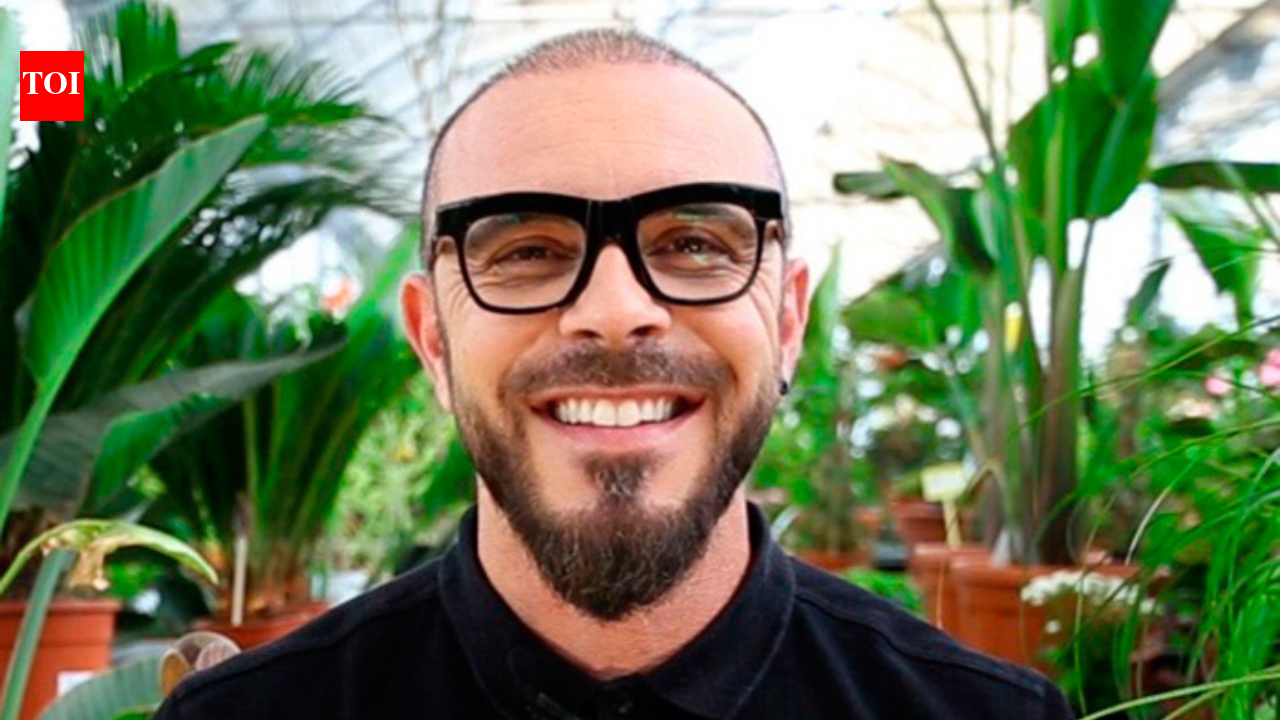
Transforming Urban Landscapes: The Vision of Ignacio Solano
In a world increasingly dominated by concrete and glass, Spanish botanist Ignacio Solano sees potential where many see emptiness. With his innovative vertical gardens, Solano is turning ordinary buildings into vibrant ecosystems that not only beautify urban spaces but also combat climate change. His work spans across Europe and Latin America, contributing to a growing movement aimed at greening cities in the face of rising temperatures and environmental challenges.
The Journey of a Botanist
Before becoming a pioneer in vertical garden design, Solano dedicated over 14 years to studying tropical ecosystems in diverse locations, including Colombia’s Chocó rainforest and Madagascar. This extensive research provided him with a deep understanding of how plants thrive in crowded environments with limited resources. Rather than viewing buildings as mere structures, Solano began to see walls as living ecosystems capable of supporting a multitude of plant species.
What Are Vertical Gardens?
Vertical gardens, also known as living walls or green walls, are systems that allow plants to flourish directly on building surfaces. These gardens utilize specially designed support structures and irrigation systems, with many modern versions employing hydroponics—growing plants without soil, using nutrient-rich water instead. The concept gained traction in the 1980s, thanks to French botanist Patrick Blanc, but Solano has taken it to new heights, particularly in Latin American cities like Buenos Aires and Mexico City, where vertical gardens have become a common sight.
Cooling Urban Environments
One of the most significant benefits of vertical gardens is their ability to mitigate the urban heat island effect. Urban areas, filled with concrete and asphalt, tend to absorb heat during the day and release it slowly at night, leading to elevated temperatures. Vertical gardens help combat this by providing shade and cooling the surrounding air through a process known as evapotranspiration. This natural phenomenon occurs when plants release water vapor into the atmosphere, effectively lowering temperatures. Additionally, the vegetation acts as insulation, reducing energy consumption from air conditioning systems.
Biofilters for Cleaner Air
Solano often refers to vertical gardens as “biofilters” due to their capacity to purify polluted urban air. Plants absorb carbon dioxide and trap dust and airborne pollutants, making these gardens essential in cities where traditional green spaces are scarce. They also create habitats for birds, bees, and other beneficial insects, fostering biodiversity in densely populated areas. Interestingly, carefully designed vertical gardens can produce significantly more oxygen than conventional ground-level green spaces, thanks to their dense layers of vegetation.
The Technology Behind Vertical Gardens
Creating a successful vertical garden involves more than just attaching plants to a wall. Designers must consider various factors, including climate, sunlight, humidity, and maintenance needs, when selecting plant species. A typical vertical garden system includes waterproof membranes, structural supports, irrigation pipes, and nutrient delivery systems. Modern designs are engineered to use minimal water while requiring little maintenance, making them practical for urban settings.
Through his company, Paisajismo Urbano, based in Alicante, Solano has contributed to the development of nearly one million square meters of vertical gardens worldwide, showcasing the potential of this innovative approach to urban greening.
Empowering Communities
Solano is committed to making vertical garden technology accessible to everyone. Through training programs offered by his Guatemala City franchise, By Botanik, he teaches students about plant identification, irrigation systems, and project management. These courses are designed for beginners, emphasizing that one doesn’t need to be a botanist, architect, or engineer to participate in this field. Many participants go on to create real projects in their own communities, fostering a sense of ownership and responsibility towards urban greening.
A Vision for Sustainable Cities
As climate change continues to escalate temperatures in urban centers, vertical gardens are increasingly viewed as essential environmental infrastructure rather than mere luxury additions. Unlike traditional parks, living walls can be integrated into existing buildings without requiring additional land. Old office towers, highways, and public structures can all be transformed into green spaces, contributing to a healthier urban environment.
For Solano, the mission transcends aesthetics. By converting blank concrete walls into living forests, he envisions cities that are cooler, healthier, and more sustainable. His work exemplifies how innovative thinking can lead to practical solutions for some of the most pressing challenges facing urban areas today.


