Celebrating a Century of Miguel de Unamuno in Fuerteventura
The Cabildo de Fuerteventura is commemorating a significant milestone: the centenary of Miguel de Unamuno’s arrival in the picturesque Canary Island. With a lineup of over twenty-five activities scheduled throughout the year, this celebration serves not just as a nod to history but also as an exploration of Unamuno’s literary legacy.
The Context of Unamuno’s Exile
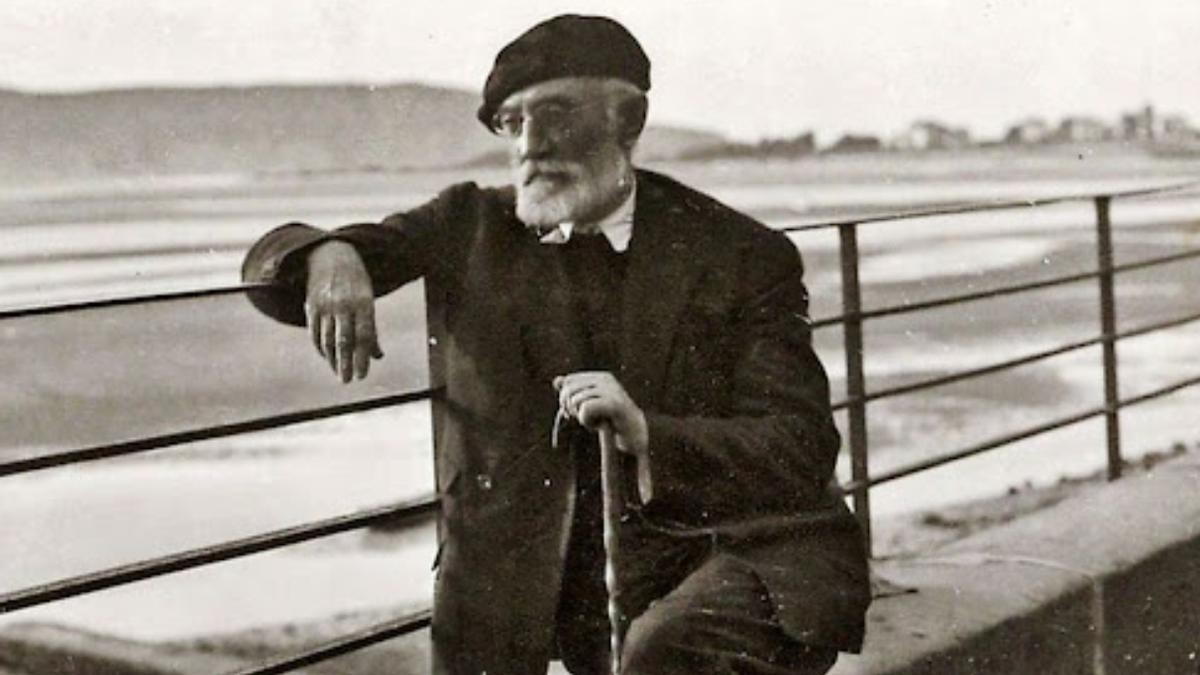
In 1924, Miguel de Unamuno, a prominent Spanish writer, was exiled to Fuerteventura due to his outspoken criticisms of the dictatorship of Miguel Primo de Rivera. This time in isolation was transformative, both for the author and the island itself. It fostered a unique bond between Unamuno and Fuerteventura that had a lasting impact on his literary work and Spain’s cultural landscape.
The program ‘Fuerteventura a través de su mirada’ aims to highlight how this exile influenced Unamuno’s later writings. It’s an opportunity to understand the dialogue between the exquisite island’s landscape and Unamuno’s introspective musings, allowing participants to place Fuerteventura within a broader national and international cultural context.
Academic Depth at the Cátedra Cultural Miguel de Unamuno
From April 8 to 12, the Sala Josefina Plá at the Palacio de Formación y Congresos will host the Cátedra Cultural Miguel de Unamuno. Now in its 26th year, this academic chair is set to delve into the literary contributions and perspectives of Unamuno as viewed through various scholarly lenses.
Attendees can expect a rich and engaging program that spans across fields, including literature, philosophy, and cultural studies, providing an in-depth look at how Unamuno’s thoughts resonate in contemporary society.
Thought-Provoking Themes and Topics
This year’s lectures promise to be enlightening, addressing numerous intriguing themes.
One of the scheduled talks, “From Fuerteventura to Paris: Poetry as Historical Document in Miguel de Unamuno,” seeks to analyze how Unamuno’s experiences in Fuerteventura translated into his poetic expressions. The connective thread of exile, place, and literary creation will be explored, showcasing how his time on the island did not merely alter his perspective but enriched his literary voice.
Another fascinating discussion titled “Rethinking My Work, Rethinking Spain” invites participants to reflect on Unamuno’s critical engagement with the Spanish identity and how it may have evolved during his exile. This examination of identity is further expanded in the session on “Conflicts, Wars, and Exile in Miguel de Unamuno,” delving into the complicated relationship between personal suffering and creative output.
Unamuno’s Relationships with Other Writers
The influence of Unamuno transcends geographic boundaries. His interactions with Hispanic American writers are the focus of a special lecture, “Unamuno’s Relationships with Hispanic American Writers.” This presentation will not only explore his influence but also reflect on reciprocal relationships that shaped literary discourses across continents.
Unamuno’s Literary Contributions
In conjunction with the broader discussion about his life, specific writings will be examined in detail. Lectures such as “The Essays of Miguel de Unamuno in La España Moderna” and “The Aesthetic of Landscape in Miguel de Unamuno” address not only his formal literary styles but also the substantive themes that permeate his work.
The session on “The Linguistic Realism of Unamuno: Words of Fuerteventura” promises to shed light on how the island’s dialect and landscape influence Unamuno’s expressiveness, offering a fascinating glimpse into how place informs language and narrative.
Cultural Significance and Environmental Reflection
Unamuno’s deep connection with nature and landscape is echoed in the discussions on “Unamuno’s Poetic Religiousness: Word and Poetry of Fuerteventura.” This session aims to explore how the island’s breathtaking vistas informed not only his poetic sensibility but also his philosophical inquiries into existence and belief.
Another riveting topic is “Unamuno’s Commitment to Agrarian Issues: The Case of Boada: From Life to Literature.” This perspective reveals how Unamuno’s social consciousness and political stances influenced his narratives and character constructions.
Highlighting Exile Experiences
Lastly, “The Exilic Experience of Unamuno” encapsulates the overarching theme of loss, displacement, and the quest for identity that resonates throughout his work. This lecture will incorporate personal, political, and artistic dimensions, offering attendees an all-encompassing understanding of how exile shaped his worldview and literary output.
Through this comprehensive series of events, the Cabildo de Fuerteventura is not just commemorating a date but resurrecting a dialogue between a remarkable literary figure and an island that served as his temporary home. The cultural ripples of this centenary celebration will no doubt inspire fresh conversations about Unamuno’s relevance in today’s discourse and the continuing significance of Fuerteventura in the literary canon.