Regeneration of the Saladar de Jandía: A Natural Treasure
The Importance of the Saladar de Jandía
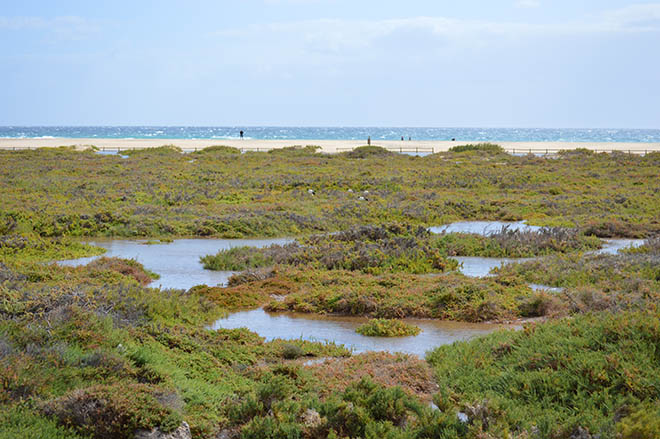
Nestled along the Playa del Matorral in Morro Jable, Pájara, the Saladar de Jandía stands out as one of the most significant wetlands in the world. Declared a site of scientific interest by the Government of the Canary Islands in 1994, this unique ecosystem captures the attention of ecologists, researchers, and nature lovers alike. The regeneration project initiated here has garnered impressive outcomes, visible sixteen years after its launch, showcasing a successful model for conservation.
Ramsar Recognition and Ecological Value
In 2002, the Saladar de Jandía received noteworthy recognition when it was included in the Ramsar Convention, a global treaty aimed at conserving wetlands. It became the first and only Ramsar site in the Canary Islands, joining a distinguished list of over 2,000 wetlands worldwide, covering more than 200 million hectares. Within Spain, it ranks 43rd among 74 designated wetlands, highlighting its ecological and protective significance.
Celebrating Conservation Efforts
A recent event commemorated World Wetlands Day on February 2nd, emphasizing the ongoing success of the Saladar’s conservation efforts. Project director Toni Gallardo praised the remarkable protection achieved for this intertidal ecosystem, which spans 123 hectares. He pointed out the importance of safeguarding the site from the booming urban and tourism development seen on the Jandía Peninsula over the past two decades.
A Unique Vision for Preservation
Gallardo emphasizes that, while the regeneration is apparent—reflected in revitalized soil, flora, and fauna—active conservation measures are essential for long-term sustainability. He suggests that the site of the former wastewater treatment plant, now closed, could be transformed into an interpretive center, educating visitors about the area’s ecological importance. “This could be a small museum illustrating the value of this natural space and its protective plan,” he states.
Navigating Fragile Terrain
With an estimated 10,000 visitors traversing the Saladar daily, the impact of human activity poses a significant challenge. Gallardo advocates for the construction of a new walkway along the northern edge, urging that the current foot traffic through sensitive areas severely damages the ecosystem. Implementing such infrastructure could enhance visitor experience while fostering an environment conducive to wildlife.
The Driving Force Behind Regeneration
The physical and ecological regeneration of the Playa del Matorral was supported by the University of Las Palmas de Gran Canaria and the Cabildo de Fuerteventura, with funding from the European Union. An event nearly two decades ago—a turtle stranding on the beach—served as a catalyst for raising awareness about this natural habitat. This incident sparked community and ecological engagement in preserving the unique environment of the Saladar.
A Vital Coastal Ecosystem
The Saladar funct.CommandType: In the midst of coastal challenges, it serves as a natural barrier against large tides, creating vibrant pools teeming with life when inundated. It’s a haven for visitors, who can observe the diversity of species from designated walkways. Gallardo explains that despite the often tumultuous surf, a natural sand barrier provides the habitat with a degree of stability. The unique vegetation here faces the challenge of high salinity, which has been mitigated through specialized adaptations, allowing many species to thrive.
Rich Biodiversity
The Saladar de Jandía is alive with various bird species, including the northern shrike, hoopoe, and osprey, alongside a plethora of migratory birds like the great egret, flamingo, and various types of gulls. This vibrant community makes the wetland a prime location for avian observation.
In addition to its feathered inhabitants, the area boasts lush vascular flora. Known vegetation, such as halophyte shrubs and tamarisks, is complemented by unique plants like Aichryson pachycaulon, and Onopordum nogalesii, contributing to the biodiverse tapestry of the locale.
Protecting Terrestrial Life
Terrestrial mammals such as the Moorish squirrel and the common hedgehog, along with reptiles like the Atlantic lizard and the Majoreño gecko, find refuge in this environment. The Saladar is also home to endangered species, including the loggerhead turtle, creating an intricate ecosystem supporting a variety of life forms.
The invertebrate population, including species such as purpuraria erna, further embellishes this complex biological framework. Such diversity not only promotes ecological health but also offers research opportunities and enhances the area’s appeal to nature enthusiasts.
Conclusion
With its rich history, ecological significance, and ongoing conservation efforts, the Saladar de Jandía serves as a powerful reminder of the importance of protecting our natural environments. As we look to the future, initiatives aimed at sustainable management and increased awareness will be crucial in preserving this unique wetland for generations to come.