El Islote de Lobos: A Natural Gem in Peril
Nestled off the northeastern coast of Fuerteventura, the Islote de Lobos is an enchanting paradise known for its breathtaking landscapes, rich biodiversity, and unique geological features. Unfortunately, this small island is facing an environmental crisis. The uncontrolled influx of visitors is threatening its delicate ecosystem, prompting urgent calls for intervention and management.
The Current Dilemma: Overcrowding and Its Consequences
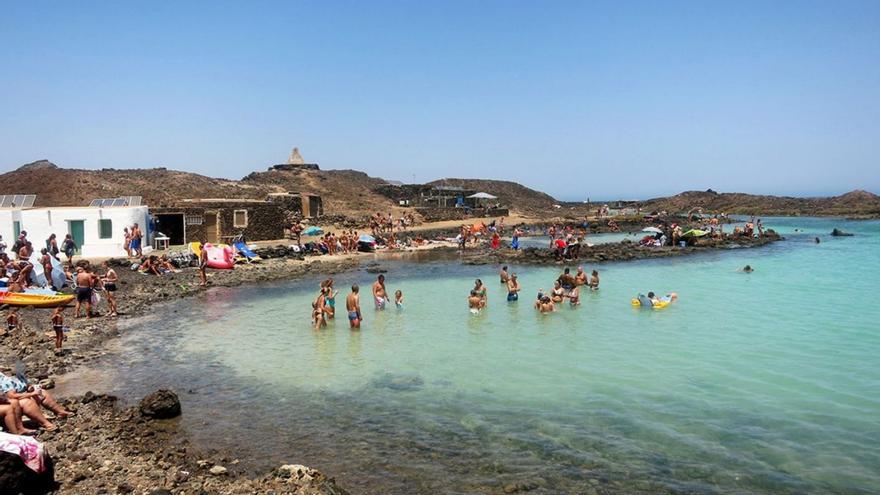
According to the Plan Rector de Usos y Gestión de Lobos (PRUG), the maximum capacity for this natural park is limited to 200 visitors at any one time. However, the reality is starkly different. The absence of effective access regulation has led to an overwhelming number of boats and visitors flooding the island, creating a scenario that can only be described as chaotic. This unregulated tourism not only diminishes the visitor experience but also has dire repercussions for the island’s ecological balance.
Innovative Approaches to Conservation
In response to this critical situation, the Consejería Insular de Medio Ambiente has taken a proactive step to promote awareness about the island’s natural beauty and the importance of preserving it. They have introduced an audio announcement on commercial boats traveling to the island, replacing traditional paper brochures. This audio guide educates passengers about the unique attributes of Lobos and encourages them to enjoy the experience while contributing to conservation efforts.
This shift towards using technology in promoting environmental awareness exemplifies a growing trend in sustainability practices aimed at reducing waste and engaging visitors more effectively.
Highlighting Natural and Cultural Riches
Managed by environmental officer Carlos Rodríguez, the awareness initiatives strive to inform visitors about the island’s exceptional offerings. The stunning 500 hectares comprise diverse landscapes, including beaches, mudflats, mountains, and volcanic formations, appealing to nature enthusiasts and adventurers alike. Each visitor is encouraged to leave no trace, ensuring the preservation of Lobos for future generations.
The guided messages are provided in both Spanish and English, broadening their reach and ensuring that a diverse audience can appreciate the island’s wonders. Among these is the Lobos everlasting flower (Limonium bollei), a unique species endemic to the island, which serves as a testament to its rich biodiversity.
Respecting Archaeological Heritage
Not only is Lobos renowned for its natural beauty, but it also holds significant archaeological value. Visitors are urged to respect the ancient remains on the island, a site which reveals a Roman-era purple dye workshop. This historical component adds a layer of intrigue and educational opportunity for those visiting the pristine shores.
Despite its cultural heritage and natural allure, the island is increasingly pressured by population growth, attributed to both local residents during the summer months and the influx of daily visitors eager to explore its charm. The resulting strain on the island’s resources underscores the urgent need for better management practices.
The Imperative for Responsible Tourism
As awareness grows regarding the ecological and cultural significance of Lobos, it becomes essential for each visitor to understand their role in its preservation. The fragile ecosystems that thrive on the island can easily be disrupted, leading to irrevocable changes that could diminish its beauty and biodiversity.
Thus, while the allure of El Islote de Lobos continues to draw countless visitors, it is crucial that all engage in responsible tourism. By doing so, we can coexist with this remarkable environment and ensure that future generations enjoy the same serenity and wonder it affords today.