A Community United: The Fight to Save Puerto del Rosario’s Historical Cornisa
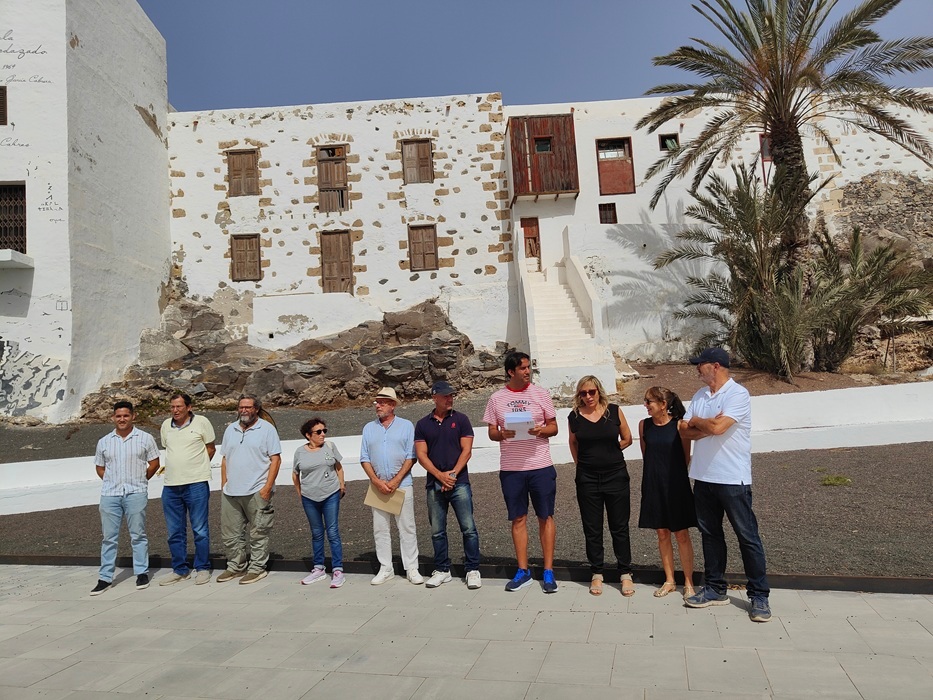
In the vibrant heart of Fuerteventura, a community-driven initiative is taking shape. Led by a passionate coalition of locals, including heritage conservator Loren Castañeyra, ACANTUR president Pedro Carreño, and activist Maika del Valle, the newly formed platform “Salvar la Cornisa” aims to protect a vital piece of the island’s architectural history. This group was officially introduced to the public on Friday at the picturesque plaza de las Escuevas in Puerto del Rosario, where they gathered to bring attention to the imminent threat facing the iconic buildings that overlook the area.
The Historical Significance of the Cornisa
At the center of the discussion is the cornisa, a series of edifices dating back to the late 19th century, which encapsulate the essence of old Puerto Cabras. Recently excluded from the municipal catalog of protected properties, these structures now stand in jeopardy of demolition. The participants of “Salvar la Cornisa” firmly believe that losing this architectural ensemble would lead to a significant erasure of the community’s collective memory. As they eloquently put it, “If the cornisa of Puerto were to disappear, we would lose the memory of what our past was like.”
Awareness and Action: The Manifold Responsibilities of Our Heritage
Oscar Hernández, the president of Salud y Sonrisas and an environmental activist, played a crucial role during the platform’s presentation by reading a manifesto that emphasized the importance of preserving this historical core. He articulated that the cornisa is not merely a collection of buildings but rather the “most representative nucleus” of Puerto Cabras’s history. He voiced concerns that the loss of these structures would mean a permanent severance from a time that shapes the island’s identity and cultural fabric.
In a poignant reflection, Hernández compared the collective memory of a community to the personal memory of individuals, emphasizing how the absence of memory impedes learning and understanding. “Memory is the creator of our identity. Without it, we lose the ability to learn from the past and make sound plans for the future,” he affirmed.
The Threat of Urbanization
One of the platform’s chief criticisms is directed at local authorities, whom they accuse of allowing the destruction of cultural heritage under the guise of urban development or economic justification. Hernández lamented over the loss of other historical sites on the island, recalling how locals often express regret only after it’s too late. “Over the years, many heritage elements have been destroyed, and soon after, we hear laments from those who did nothing to stop it,” he pointed out.
The group’s manifesto also acknowledges the rights of property owners. Hernández made it clear that the intention is not to infringe upon those rights but to call on public administrations to balance these interests fairly. “It is essential for the responsible public institutions to fulfill these rights in the most just manner possible,” he insisted.
A Landmark Identity for Puerto del Rosario
The cornisa serves as a defining feature of Puerto del Rosario, particularly for those arriving by sea. Hernández painted a vivid picture of what losing this historical landmark would mean for visitors: “If the cornisa were to vanish, newcomers may think they’ve arrived at a different port, even a different island altogether.” When they eventually realize the truth—that this unique witness to the past has been destroyed—it will highlight an irreversible failure to honor their heritage.
He called for a deep sense of community pride in history, urging citizens to recognize the cornisa not just as buildings, but as integral components of their identity. “We would be ashamed and rightly called barbarians if we allow this unique testament to our past to be erased,” he stated.
A Call to Action
In light of the impending threats to the cornisa, the platform “Salvar la Cornisa” is making a heartfelt appeal to both regional institutions and civil society. They view the potential loss of this 19th-century construction as an “irreplaceable ruin” and are committed to fighting for its preservation. “We will not stop until it is saved,” Hernández concludes with resolute determination.
As community members continue to rally for action, the fight to preserve this critical part of Puerto del Rosario’s charm reflects broader themes of heritage preservation, collective memory, and civic responsibility. The cornisa is more than just a geographical feature; it stands as a symbol of resilience and cultural pride for the residents of Fuerteventura.