The Cultural and Ecological Significance of the Palmeral in Fuerteventura
Fuerteventura, one of the Canary Islands, boasts stunning natural landscapes and a rich cultural heritage, exemplified by the unique palmeral found in Vega de Río Palmas. This oasis is not merely a botanical marvel; it embodies centuries of history, tradition, and ecological importance that shape the identity of the island and its inhabitants.
A Historical Landscape
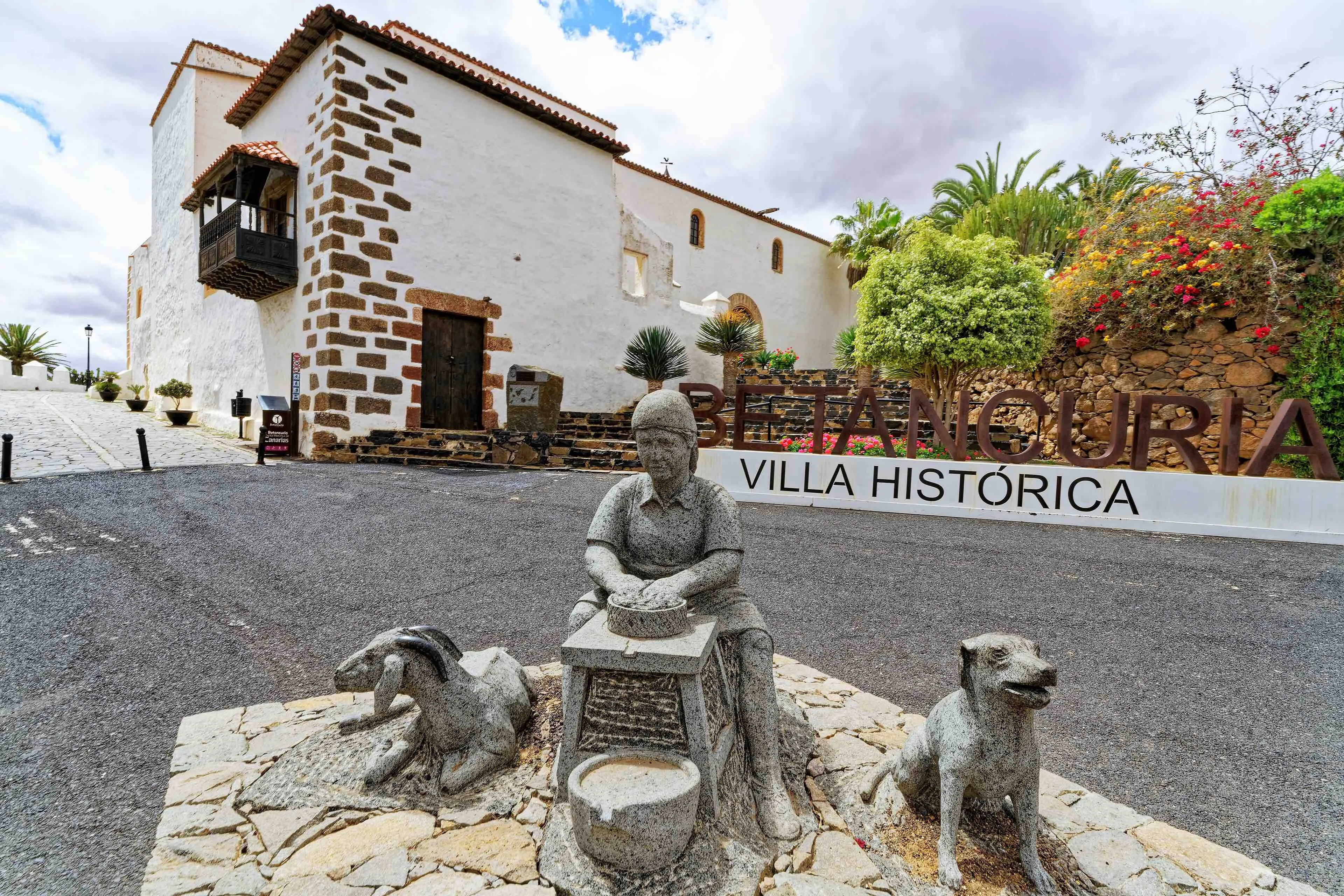
Nestled within the renowned Rural Park of Betancuria, the palmeral stands as a testament to the deep-rooted cultural connections of the island’s inhabitants. The hermitage of Our Lady of Peña, the island’s patroness, draws devoted pilgrims from all over Fuerteventura every third Saturday of September. This tradition has flourished for centuries, linking the present to the past in a sacred relationship with the land.
Historically, this area was home to the mahos, aboriginal inhabitants who occupied it for over two millennia prior to the Spanish conquest. Archaeological sites scattered throughout this municipality bear witness to a vibrant and continuous human presence. When explorers like Gadifer and his men first trekked inland from the coast, they encountered the very landscapes that we admire today.
Water Stress: An Existential Threat
The majestic Phoenix canariensis, or the Canary Island date palm, has graced the region for centuries. Yet, these ancient trees now face dire threats from prolonged drought conditions that have afflicted Fuerteventura. Despite relatively generous rainfall during the winter of 2026, it has not been enough to reverse years of environmental stress. The older specimens, particularly, exhibit structural weaknesses, leading to their untimely collapse.
Water is critical to the survival of these palms. Traditionally thriving on the sub-aqueous flow found within the barrancos, the ongoing drought has drastically reduced this vital water source. The palmeral’s future hinges on the availability of water, making it the primary concern for conservationists and residents alike.
Human Impact: A Double-Edged Sword
The palmeral’s scenic allure has made it a popular destination for hikers, photographers, and guided tours. The Las Peñitas trail, connecting Pájara and Betancuria, has become one of the island’s busiest walking routes. While this influx of visitors brings economic benefits, it also exacerbates the stress on the fragile ecosystem. These monumental palms require tranquility and careful management, neither of which benefits from the rising foot traffic.
The response to this increased human interaction is crucial for the conservation of the palmeral. With every snapshot taken and every footstep passing by, the need for a balanced approach to access, conservation, and preservation becomes increasingly pressing.
What’s at Stake
The repercussions of a falling palm tree extend far beyond the individual plant. Each loss is an irreversible mark against the lush landscape described by Gadifer in the 15th century. The grandeur of a 20-braza palm—a revered symbol of the valley—is something that cannot be replaced with newly planted trees. Each palm embodies not just a piece of natural history but also cultural and historical significance that contributes to Fuerteventura’s unique identity.
The local government is urgently seeking the removal of fallen specimens and restoring safety along the trails. Yet the challenges don’t stop there. Comprehensive technical studies on plant health must be conducted to understand why these ancient palms continue to fall and to explore methods for mitigating the losses. Without such measures, the last remaining areas of pure Phoenix canariensis on the island risk becoming a graveyard of once-living history.
The Road Ahead
In light of these challenges, the emphasis on a sustainable approach to water management and ongoing monitoring of palm health cannot be overstated. The community is aware—what happens to the palmeral now will resonate for generations to come. By integrating local knowledge with scientific insight, Fuerteventura hopes to safeguard its most treasured landscapes for future generations. As environmental changes become increasingly apparent, the journey of the palmeral is one that reflects a broader narrative of resilience, adaptation, and the deep ties between people and their environment.