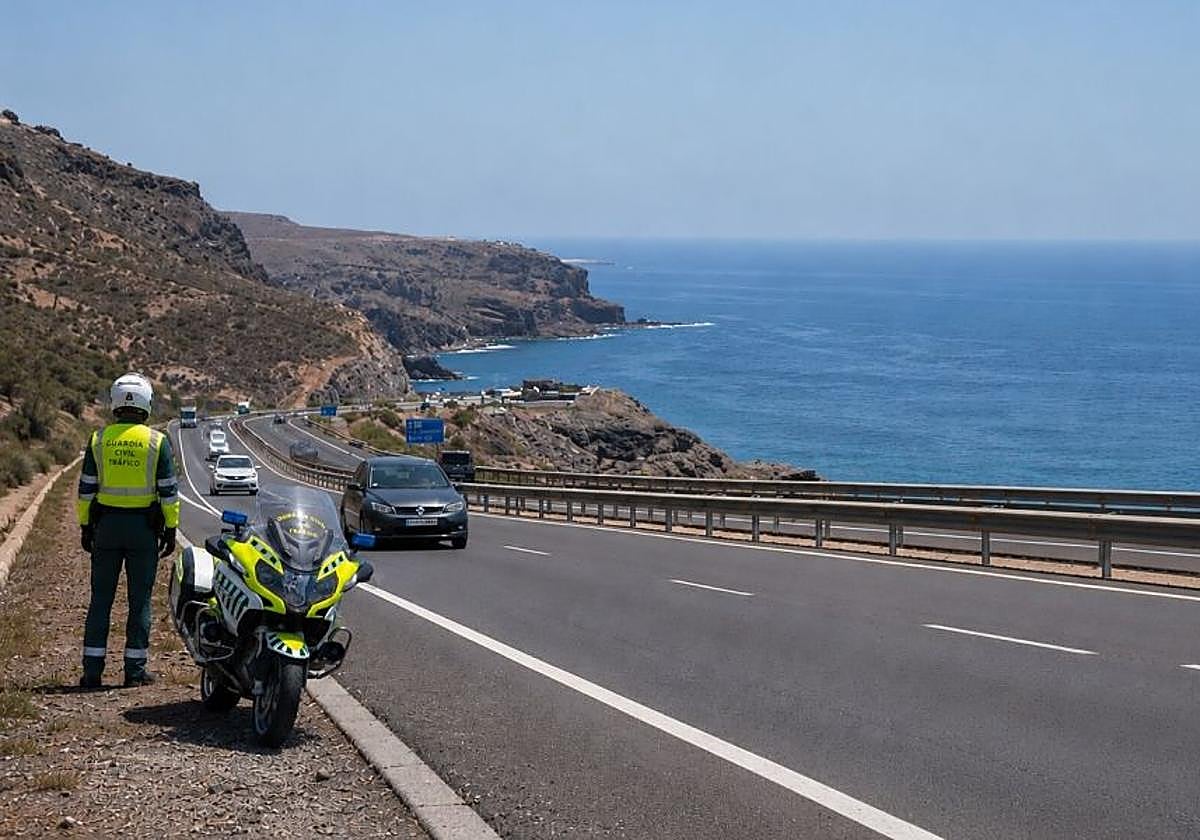

The situation at the Gran Tarajal detachment in Fuerteventura, as reported by the Asociación Unificada de Guardias Civiles (AUGC), is alarming. Currently, the operational staff has dwindled to just a sergeant, a corporal, and three civil guards—one of whom is on reserve and cannot perform operational duties. This minimal team is expected to cover a vast area that includes populous municipalities like Tuineje and Pájara, home to around 30,000 residents, a number that swells during peak tourist seasons.
According to data received by AUGC, the theoretical staff for the detachment should include more personnel; however, five officers are currently on medical leave, and one is assigned outside the unit. This means that Gran Tarajal effectively operates with only three available guards for patrol duties, which is far from sufficient given the responsibility of ensuring public safety around the clock.
Fuerteventura has two significant detachments in the southern region: Gran Tarajal and Puerto del Rosario, which is the seat of the subsector. The distance of several kilometers between these two detachments poses a logistical challenge in the event of serious incidents where immediate support is crucial. Gran Tarajal, located within the municipality of Tuineje, is actually the third most populated area on the island, with nearly 8,000 registered inhabitants. Its importance is further amplified as it serves as a key reference point for the southern part of Fuerteventura throughout the year, along with Morro Jable.
The General Directorate of the Guardia Civil has been managing services in Gran Tarajal through an operational nucleus system, a method designed to streamline service organization across different territories under a unified planning framework. However, AUGC criticizes this approach, arguing that it does not strengthen the service as intended. Instead, it serves to mask the chronic shortage of personnel: the operational nucleus patrols are compensating for the lack of staff that the detachment desperately needs, thereby diminishing its ability to respond independently.
In tandem with staffing reductions, AUGC highlights another concerning factor: the administrative and maintenance personnel exceeds the actual needs of the unit. This discrepancy raises fundamental questions about the efficacy of sustaining a full bureaucratic structure for a detachment that can barely assemble a patrol. Is the Guardia Civil subtly preparing for the closure of this unit in Gran Tarajal?
AUGC expresses its concern regarding what it perceives as a gradual dismantling: reduced personnel without replacements for those lost, a lack of structural reinforcements, and the maintenance of an operational nucleus system that institutionalizes the dependency on external patrols. The association calls for the General Directorate to clarify publicly whether there are any intended plans, either formally or informally, to eliminate or downgrade the Gran Tarajal detachment. Should there be no such plans, an immediate filling of the vacancies is essential—especially considering the fiscal responsibility being placed on the public purse.
AUGC maintains that a unit incapable of guaranteeing stable functionality cannot be deemed operational; rather, it faces an imminent risk of obsolescence due to exhaustion. Therefore, it demands immediate action in filling the vacancies and addressing the medical leaves at the Gran Tarajal detachment. This situation not only affects the operational integrity of the unit but poses a broader concern about public safety in a region already facing challenges.