History of Philippine-Spanish Friendship Day
The Republic of the Philippines, an archipelago of over 7,000 islands nestled in the western Pacific Ocean, has a rich and complex history shaped significantly by its colonial past. The name “Philippines” itself pays homage to Philip II, the King of Spain during the era of Spanish colonization. This period lasted for more than 300 years, leaving an indelible mark on the culture, language, and identity of the Filipino people. Following Spanish rule, the Philippines experienced nearly 50 years of American governance, further complicating its historical narrative.
The journey of Spanish colonization began in 1565 when the Spanish conquistador Miguel López de Legazpi arrived on the shores of the Philippines. By 1571, Manila was established as the capital of the Spanish East Indies, serving as a crucial hub for trade and governance. The Spanish colonial government sought to expand its territories, often quelling revolts from the native population. Despite the oppressive regime, the seeds of resistance were sown, particularly following the execution of three Filipino priests in 1872. This tragic event galvanized the Filipino independence movement, leading to a surge in calls for political reform and greater autonomy.
Fast forward to 1896, the Philippine Revolution erupted, marking a significant turning point in the struggle for independence. Filipino revolutionary forces, fueled by a desire for freedom, engaged in fierce battles against the Spanish military. The culmination of this struggle came in 1898 when the Philippines declared its independence from Spain. A notable episode during this period was the Siege of Baler, where a small group of 33 Spanish soldiers defended their position for nearly a year, unaware that Spain had already ceded the Philippines on December 10, 1898. Their unwavering spirit and bravery left a lasting impression on the revolutionary forces, prompting General Emilio Aguinaldo to issue a decree recognizing them as friends rather than foes.
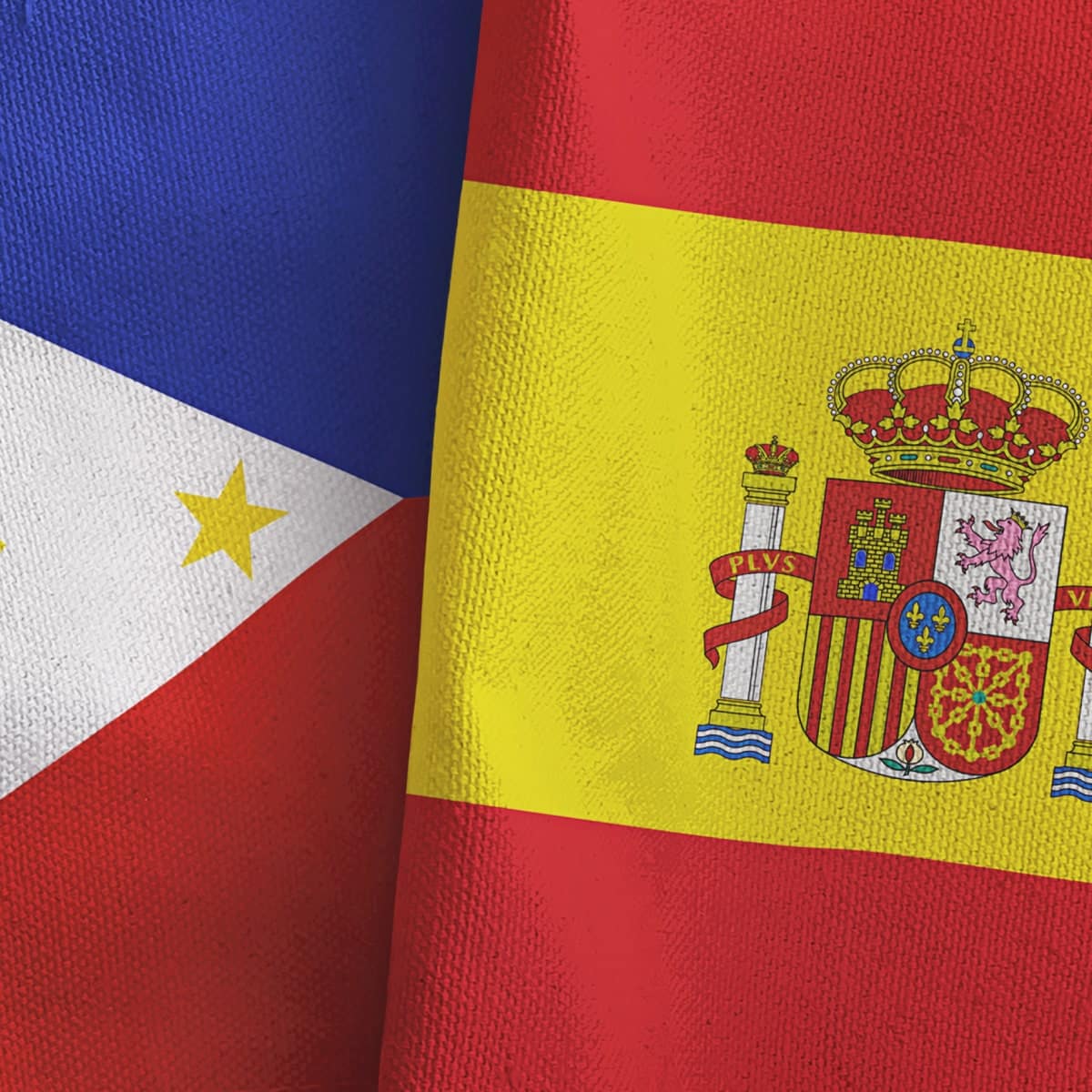
In recognition of this unique historical relationship, Philippine-Spanish Friendship Day is celebrated annually on June 30. This day serves as a reminder of the complex ties that bind the two nations, highlighting not only the struggles and sacrifices made during the colonial era but also the enduring friendship that has developed over the years. The celebration is marked by various cultural events, educational programs, and community activities aimed at fostering mutual understanding and appreciation between the Filipino and Spanish peoples.
Philippine-Spanish Friendship Day is more than just a commemoration of historical events; it is an opportunity to reflect on the shared heritage and cultural exchanges that have enriched both nations. From language and cuisine to art and traditions, the influences of Spanish colonization are evident in many aspects of Filipino life today. This day encourages Filipinos to embrace their history while looking forward to a future built on friendship and collaboration.
As the Philippines continues to navigate its identity in a globalized world, the celebration of Philippine-Spanish Friendship Day serves as a poignant reminder of the resilience of the Filipino spirit and the importance of fostering international relationships. It is a day to honor the past while celebrating the present and future of the Philippines and its enduring ties with Spain.