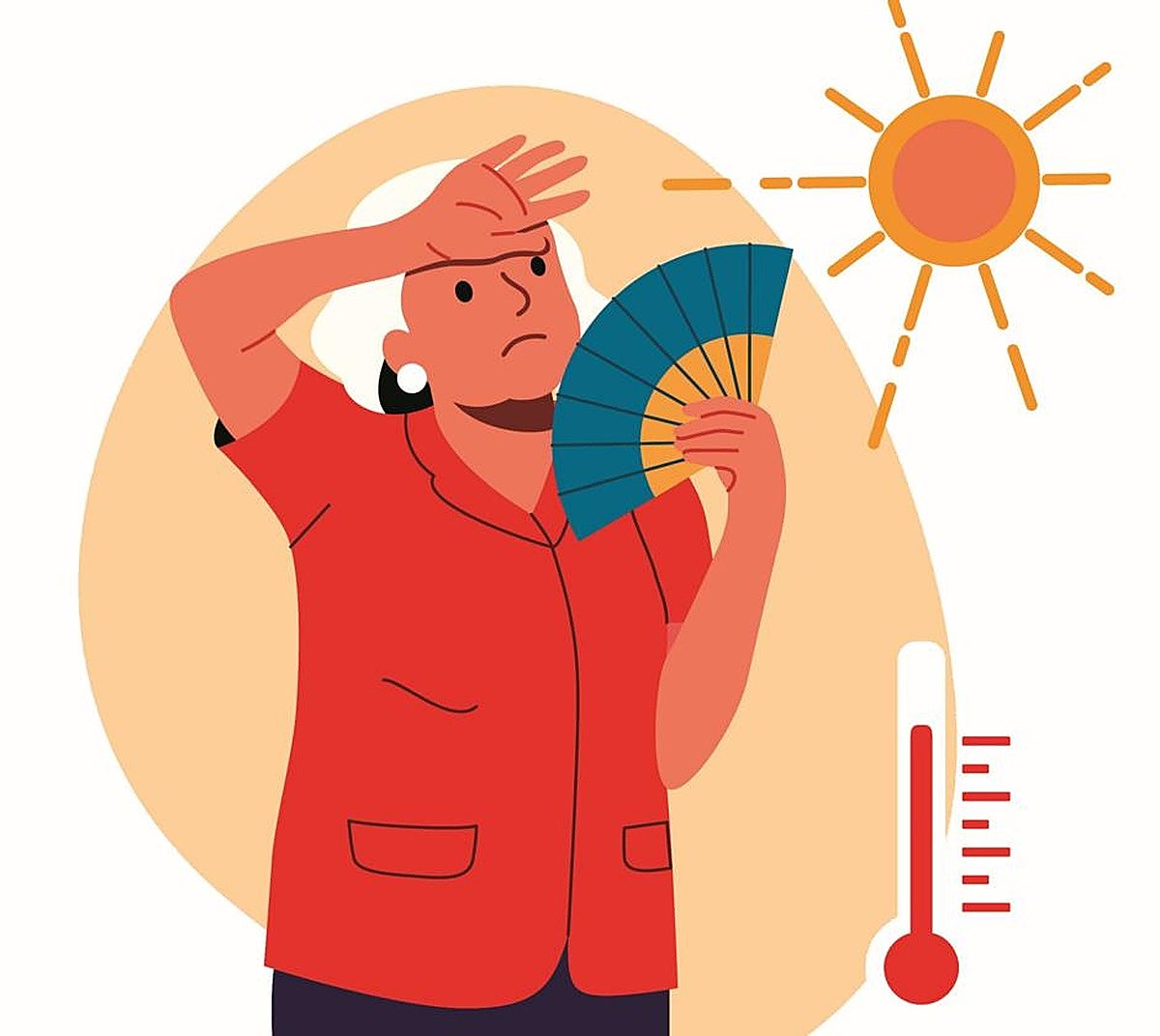
Spain’s Heatwaves: A Growing Concern
In 2025, Spain faced an alarming reality with three significant heatwaves, leading to a staggering total of 33 days of extreme temperatures. As we step into 2026, the situation has not improved. Just this May, the nation experienced its first heatwave of the year, claiming the lives of 101 individuals, predominantly among the elderly. The Carlos III Health Institute’s Daily Mortality Monitoring System reported these tragic statistics, highlighting the urgent need for awareness and preventive measures as we brace for another challenging week of soaring temperatures.
Common Sense First
When it comes to managing extreme heat, common sense is your best ally. Dr. Juan Antonio López Rodríguez, a specialist in Family and Community Medicine, emphasizes the importance of avoiding outdoor activities between noon and 6 PM. This timeframe is when temperatures, solar radiation, and humidity can overwhelm the body’s natural cooling mechanisms. If you must venture outside, opt for light clothing, a wide-brimmed hat, and sunglasses. While the beach or pool may seem like a refuge, it’s advisable to steer clear during peak hours, as even recreational activities can lead to dehydration.
Nutrition: What to Eat
Your diet plays a crucial role in how your body copes with heat. Dr. López suggests focusing on fruits and vegetables, particularly those with high water content, such as watermelon, melon, and tomatoes. Dishes like gazpacho or fresh salads are ideal choices. Conversely, heavy meals and red meat should be avoided, as they demand more energy for digestion. Ultra-processed and salty foods can exacerbate dehydration, making them less than ideal during heatwaves.
Hydration: What to Drink
Staying hydrated is non-negotiable during extreme heat. However, thirst can often be a delayed signal, especially in older adults. Dr. López recommends drinking between 100 and 200 ml of fluids every hour and a half to two hours. While water is essential, alternatives like milk, gazpacho, or even hydrating fruits like melon can also help. It’s crucial to avoid alcohol, coffee, and sugary soft drinks, as they can lead to further dehydration. Monitoring urine color can also provide insight; dark urine may indicate dehydration and should prompt immediate action.
Finding Relief: A Breeze of Coolness
To combat the heat, consider taking cool showers or baths. However, it’s important not to make the water too cold, as this can constrict blood vessels and hinder the body’s ability to release heat. For those without air conditioning, wetting your wrists or temples can provide quick relief. These simple actions can also improve circulation, particularly beneficial for older individuals.
Exercise: Proceed with Caution
Exercise is still possible during heatwaves, but caution is key. Dr. López advises scheduling workouts for early morning or late evening when temperatures are cooler. If exercising outdoors, seek shaded areas, stay hydrated before, during, and after your workout, and reduce intensity. If you begin to feel dizzy, it’s vital to stop and find a cool place to rest immediately.
Vulnerable Populations
Certain groups are particularly susceptible to the dangers of heatwaves: the elderly and outdoor workers, such as construction workers and street cleaners. For outdoor workers, regular hydration and frequent breaks in shaded areas are essential. Wearing breathable, light-colored clothing can also help mitigate heat stress. The “diver’s strategy” is a useful approach—always keep an eye on your partner to ensure they are coping well.
Older adults face unique challenges during heatwaves. They often have a diminished sense of thirst, sweat less, and may be on medications that interfere with heat regulation. It’s crucial to proactively offer water, keep their living spaces cool, and check in on them regularly, especially if they live alone. Monitoring their urine output is also important; a decrease can signal a need for medical attention.
Recognizing Heatstroke
Heatstroke is a serious medical emergency that requires immediate attention. Dr. López outlines the symptoms to watch for: hot, dry skin without sweating, confusion, intense headaches, nausea, and even loss of consciousness. If you suspect someone is experiencing heatstroke, move them to a cool, shaded area, lay them down, and apply cool water to their neck, armpits, and groin. It’s critical to call emergency services or head to the nearest health center without delay, as heatstroke bypasses the body’s normal temperature control mechanisms and will not resolve on its own.
By understanding these guidelines and taking proactive measures, we can better navigate the challenges posed by extreme heat, ensuring the safety and well-being of ourselves and those around us.


