Unraveling the Political Landscape in Antigua: The Censure Motion Against Matías Peña
In the vibrant municipality of Antigua, the political climate has recently shifted dramatically, primarily due to the censure motion against former mayor Matías Peña. The underlying reasons for this motion have not only sparked debates among residents but also serve as a reflection of broader concerns regarding governance, community involvement, and public service delivery.
The Roots of the Censure Motion
One pivotal reason cited for the censure motion was the alleged failure to adhere to the previously agreed-upon alternation of the mayoral position. According to sources within the political alliance that supported the censure—including Coalition Canaria (CC), Partido Popular (PP), and Antigua de Fuerteventura (AMF)—the agreement explicitly outlined the need for leadership transitions every two years. This commitment was ratified in meetings but was later undermined by Peña’s administration, fueling frustrations among his political allies.
Moreover, the manner in which the transition was handled, notably the refusal to ceremoniously hand over the mayoral staff—the “bastón de mando”—was depicted as a breach of institutional courtesy and political education. This act symbolized a deeper dissatisfaction with Peña’s administrative style, prompting concerns over transparency and the need for a collaborative governance approach.
Oversight and Public Dissent
Supporters of the censure motion highlighted additional grievances against Peña’s governance—chiefly his propensity for unilateral decision-making, which sidelined coalition partners. Multiple party representatives observed a deterioration in public services, significantly impacting safety, infrastructure maintenance, and cleanliness throughout the municipality.
The coalition discovered a palpable demand for change from residents, businesses, and various community groups. They desired a leadership that would facilitate constructive dialogue rather than foster division. This sentiment ultimately compelled the political coalitions to take decisive action in presenting the motion to the municipal council, which had garnered support based on a stark voting majority—2,300 votes versus 1,827 for the coalition now in opposition.
A Vision for Change: The New Era in Governance
Now, under the leadership of the new mayor, the emphasis has shifted toward creating an inclusive and responsive government. The administration’s agenda includes an ambitious 23-point plan aimed at addressing the myriad issues facing Antigua. Specifically, one of the primary goals is to foster an open and collaborative city hall environment, ensuring that municipal officers genuinely listen to constituents’ concerns.
Among the notable initiatives is the comprehensive renovation of six local parks to enhance recreational opportunities for families. This commitment reflects a broader understanding of community needs and highlights the new administration’s focus on developing municipal infrastructure that resonates with residents.
Tackling Safety Concerns Head-On
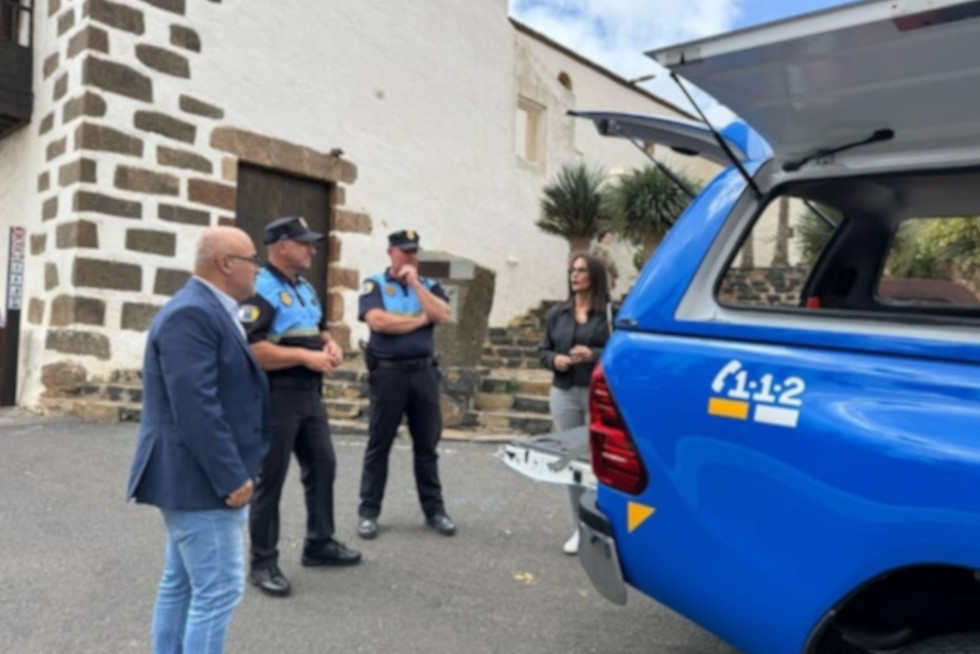
Perhaps one of the most pressing issues has been the perceived decline in safety, particularly in tourist-centric areas like El Castillo and Nuevo Horizonte. In response, the new administration is proactively engaging with the Government of the Canary Islands to bolster police presence in these areas, aiming to restore public confidence and address community fears.
Coordination among local forces—including the Civil Guard and Canary Police—is underway to establish a coherent strategy for enhancing security measures in the municipality. The administration is keenly aware that public safety is an essential foundation for both residents and businesses to thrive.
Infrastructure Development: Transportation and Cleanliness
The new government is also prioritizing improvements in public transportation. A significant step is the establishment of new bus stops, particularly in industrial areas to better serve employees and community members. Long-awaited and previously stalled projects are now being implemented to provide convenient and well-structured transportation options.
On the cleanliness front, the administration has taken vigorous steps to rectify longstanding complaints regarding waste management and public space sanitation. Initial steps include awarding a new cleaning contract to improve services and plans for additional equipment to facilitate better waste management.
Addressing Accessibility and Transparency Challenges
As the new administration digs further into governance, they have encountered challenges left by the outgoing municipal team, including a lack of access to City Hall’s digital resources. Allegations of compromising confidential information and mismanagement have surfaced, indicating a pressing need for integrity and transparency in municipal operations.
The new team is ardently working to rectify these issues while maintaining open lines with the public, assuring residents that they are dedicated to fostering a culture of accountability and responsiveness.
Judicial and Administrative Reforms
In tackling bureaucratic inefficiencies, the new administration plans to challenge the previous practice of over-liberating council members, which they argue drained municipal resources unnecessarily. Financial prudence is identified as a key priority, with potential reallocations aimed at enhancing essential services.
By creating an effective overseer for municipal operations, the administration hopes to restore faith in local governance and minimize public discomfort regarding expenditure.
Conclusion
The political strife in Antigua highlights an evolving narrative of community engagement, accountability, and effective governance. As residents eye the emerging leadership with both hope and scrutiny, the unfolding developments promise to transform the fabric of local administration for the better. Through candid dialogues and decisive initiatives, the future of Antigua may well provide a model for responsive municipal governance.