Living with Ichthyosis: A Summer Challenge
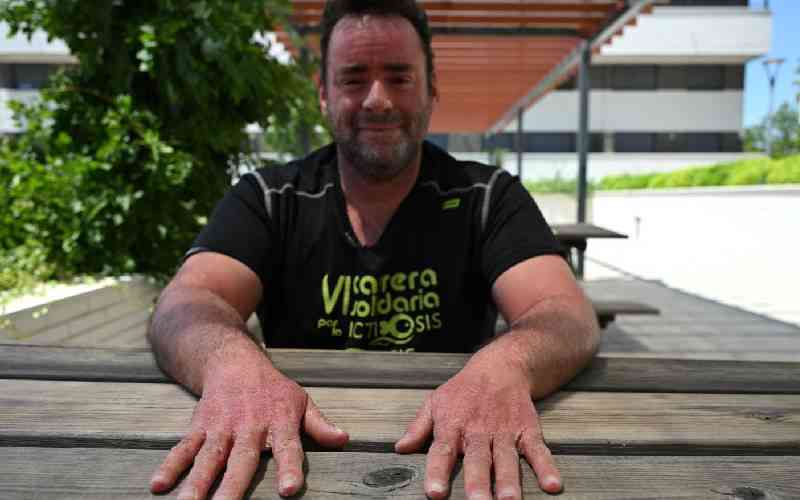
Every summer, Alberto Gomez faces a unique set of challenges that most people never have to consider. At 36, this Spanish physics and chemistry teacher grapples with ichthyosis, a rare genetic skin disorder that severely impacts his ability to regulate body temperature. As temperatures soar in Spain, the stakes become alarmingly high for Gomez and others like him.
The Nature of Ichthyosis
Ichthyosis is an inherited condition characterized by excessively dry, rough, and red skin. For Gomez, this means that his skin peels from head to toe, while others with the disorder may develop painful sores or blisters. One of the most alarming aspects of ichthyosis is its effect on sweating; many patients either sweat very little or not at all. This inability to perspire can lead to dangerous overheating, especially during the sweltering summer months.
Dermatologist Angela Hernandez, an ichthyosis specialist, emphasizes the critical role of sweat in regulating body temperature. “Sweat protects us when it’s very hot because through perspiration, we release heat,” she explains. Without this natural cooling mechanism, the body can overheat to a life-threatening degree.
The Daily Struggles
Living with ichthyosis requires constant vigilance and care. Patients often spend hours each day applying moisturizing creams to alleviate cracked skin, which is prone to dehydration and infections. The visible symptoms of the disorder can also expose individuals to stigma and unwanted attention, adding another layer of complexity to their daily lives.
For Gomez, summer means a heightened awareness of his body’s signals. “When summer comes, we have a series of warning signs telling us something could happen if we don’t start regulating our temperature,” he shares. This constant monitoring is essential to avoid heat-related complications.
Coping Strategies
To navigate Spain’s increasingly hot summers, Gomez has developed a set of strategies. He rarely steps outside without a UV-blocking umbrella, as traditional caps can trap heat around his head. Despite the challenges, he remains committed to staying active, opting for workouts in air-conditioned gyms. However, even a short exercise session can lead to small water-filled bumps on his skin, a reminder of his condition’s impact.
Jaime Garcia, whose 17-year-old son Alvaro also has ichthyosis, recalls the challenges they faced during Alvaro’s first summer. “His face was very red, and when he cried, it was as if the sweat was coming out through his tears,” Garcia remembers. This early experience highlighted the urgent need for adaptations in their daily routine.
School and Social Life
As Alvaro started school, adjustments were necessary to accommodate his condition. He was seated near a fan from April onwards to help keep him cool. However, by June, the afternoon heat became unbearable, forcing him to stop attending classes in the afternoons. Social outings, such as trips to the swimming pool, also require careful planning. While swimming is not off-limits, Alvaro can only spend a few minutes in the water before needing to shower and apply moisturizing cream.
Now a teenager, Alvaro carries a tube of moisturizing cream wherever he goes. This small item serves as a constant reminder of the vigilance required to manage ichthyosis, especially during the summer months.
The Emotional Toll
Beyond the physical challenges, living with ichthyosis can take an emotional toll. The fear of heat-related complications looms large, impacting daily decisions and social interactions. For Gomez and Alvaro, the summer months are not just a season; they are a time of heightened anxiety and careful planning.
As climate change continues to intensify summer heatwaves, the experiences of individuals like Gomez and Alvaro underscore the urgent need for awareness and understanding of rare conditions like ichthyosis. Their stories remind us that for some, summer is not just a time for relaxation and fun, but a season filled with challenges that require resilience and adaptability.