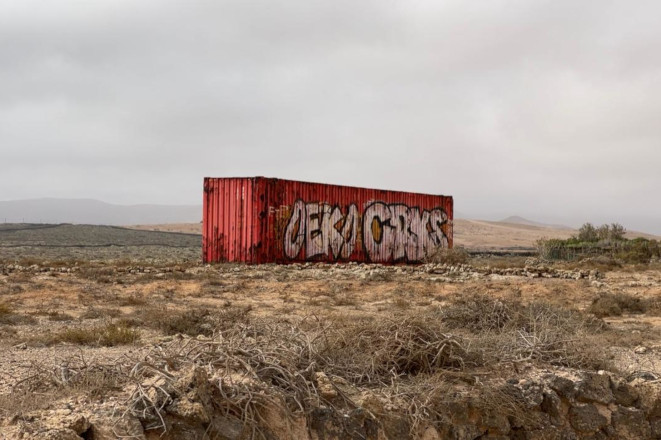
The Rise of Container Homes in La Oliva: A Call for Regulation
In recent years, the construction of prefabricated homes using shipping containers has surged in popularity. This trend, however, has raised significant regulatory concerns, particularly in the region of La Oliva. Authorities are increasingly alarmed by the prevalence of these structures emerging in unlicensed areas and protected zones, prompting a clarion call from the municipality for owners to comply with legal and environmental standards.
The Situation in Lajares
The picturesque village of Lajares has become the focal point of this burgeoning issue. Over time, a noticeable increase in illegal container homes has been reported, disrupting the aesthetic and environmental integrity of the community. While Lajares stands at the center of this matter, it is crucial to note that similar installations are beginning to crop up in other locations within the municipality. As a result, local authorities are actively pursuing measures to curb this trend and mitigate its impact.
Regulatory Response from the Ayuntamiento
In light of the escalating situation, the Ayuntamiento (town hall) of La Oliva has announced a decisive stance against these unregulated constructions. The municipality plans to inform the owners of these unauthorized installations to dismantle them immediately. This proactive approach is crucial not only for maintaining the visual appeal of the area but also for safeguarding the community’s environmental health.
Environmental and Legal Concerns
María del Carmen Cabrera, the councilor responsible for Urban Discipline and Environmental Affairs, has emphasized the need for stringent regulations. She articulates the rationale behind the Ordnung: “We aim to eliminate all such installations because they pose both environmental and visual impacts that detract from the beauty of our municipality.” This statement underscores the balancing act local governments must perform—preserving the area’s natural beauty while ensuring compliance with existing legal frameworks.
The Law of the Soil clearly stipulates that any construction activities, including the use of prefabricated buildings, require prior urban planning licenses. Cabrera’s comments highlight the legal discrepancies surrounding many of these container homes, which often lack proper authorization from the municipal urban planning office or the landowner. Alarmingly, some of these structures are situated in zones designated for the protection of birds and other wildlife, raising further ecological concerns.
Temporary vs. Permanent Structures
A critical distinction arises when considering the use of containers for various purposes. Cabrera notes that container units employed temporarily for storing tools, especially in connection with residential construction projects, are treated differently under current regulations. “In that case, what is needed is the regularization of the temporary setup,” she clarifies. This indicates that while the council is stringent about illegal permanent structures, there is room for flexibility regarding temporary installations used in conjunction with legitimate building activities.
The Community’s Role
The call for regulation extends beyond just government action; community involvement is vital in ensuring sustainable development that respects both the environment and local laws. Residents are encouraged to engage in dialogues with local authorities about responsible land use and the importance of adhering to established guidelines.
By fostering a sense of community responsibility, the Ayuntamiento seeks to create a collaborative atmosphere where residents feel invested in maintaining the integrity of La Oliva’s natural landscape. This communal effort can lead to a more harmonious coexistence between development and conservation.
Summary of the Challenges Ahead
The influx of container homes presents a multifaceted challenge for the municipality of La Oliva. With illegal structures proliferating, particularly in areas like Lajares, the town hall is tasked with enforcing regulations that protect both the environment and the visual charm of the region. As authorities work to mitigate the situation, the balance between development and ecological preservation remains a critical conversation for residents and officials alike.