Interception of Migrant Fishing Vessel Near Fuerteventura
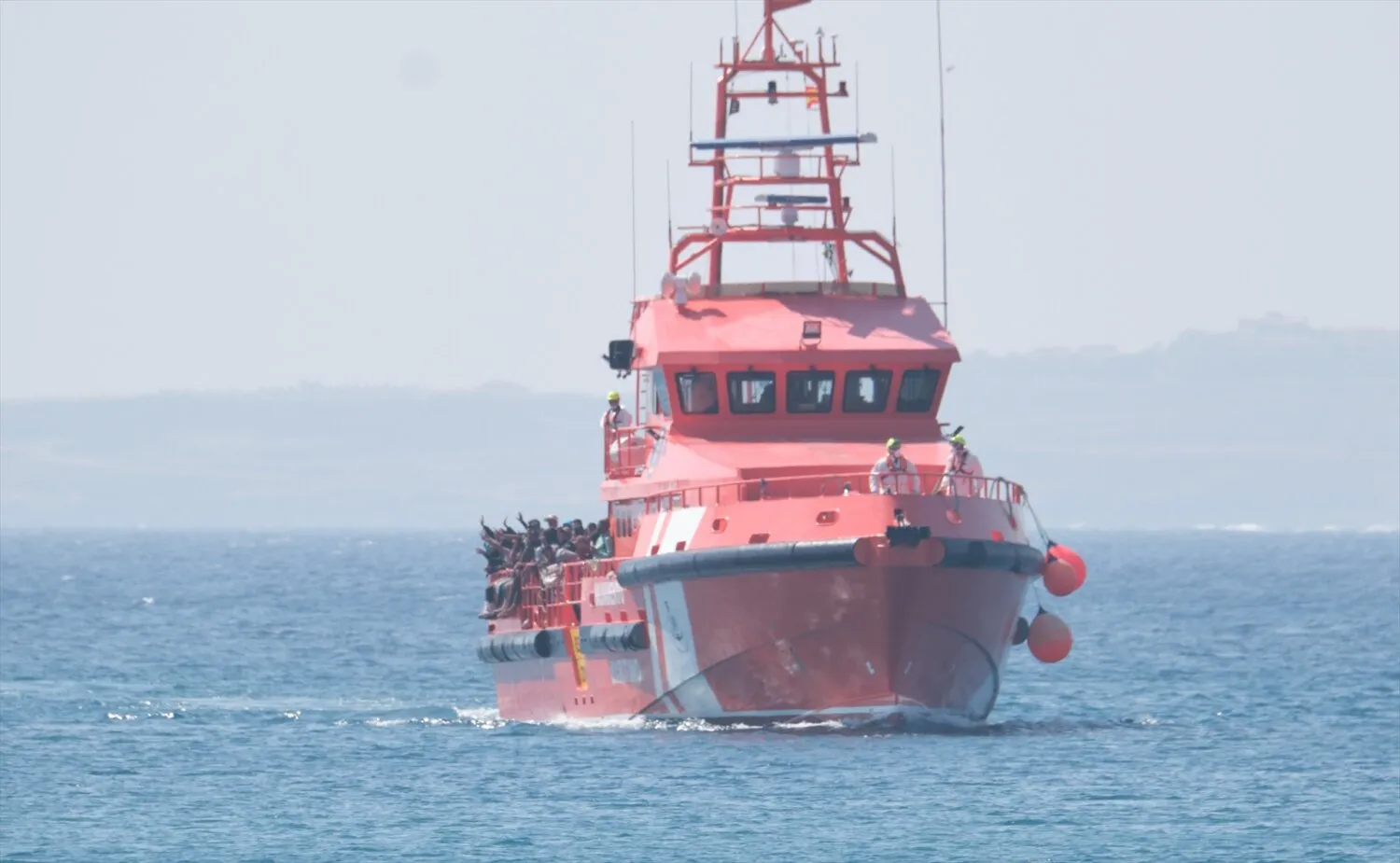
On a recent Friday, authorities intercepted a fishing vessel navigating near Fuerteventura, one of the Canary Islands. The boat was carrying 20 migrants of Maghreb origin, an incident that highlights the ongoing challenges of migration across the Mediterranean.
The Operation
The operation was conducted by the Guardia Civil and Salvamento Marítimo, Spain’s maritime rescue service. These agencies frequently collaborate to ensure maritime safety and law enforcement, particularly in areas known for irregular migration. Upon detection of the fishing vessel, the authorities swiftly intervened, escorting the boat to Gran Tarajal harbor, a key port in the region.
Health and Safety of the Migrants
Upon arrival at the port, the migrants were greeted by personnel from the Servicio de Urgencias Canario (Canary Emergency Services) and Cruz Roja (Red Cross). Initial assessments indicated that the migrants were in good health overall, a fortunate outcome given the perilous conditions often faced by individuals attempting to cross the Mediterranean. Thankfully, no medical emergencies necessitated hospital transfers, indicating that the migrants had not faced extreme hardships during their journey.
The Background of Migrant Journeys
This incident reflects a broader narrative concerning migration in the Mediterranean, notably from North Africa to Europe. Each year, countless individuals, many fleeing conflict, persecution, or economic hardship, embark on treacherous journeys across the sea in search of better opportunities. The Canary Islands have become an increasingly common destination due to geographical factors, as well as a gateway to mainland Spain and Europe.
The Role of Authorities
The role of agencies like Salvamento Marítimo and Guardia Civil is crucial in these scenarios. They not only ensure the safety of those attempting perilous crossings but also enforce regulations governing maritime travel. Their presence is essential, providing a safety net for those in distress while also managing the complex dynamics of migration.
Community Response and Support
In the aftermath of such interceptions, local communities often rally to support migrants, offering resources and assistance through various organizations. The Red Cross, for instance, plays a vital role in providing humanitarian aid, including food, shelter, and medical attention. Their collaboration with government agencies helps mitigate the immediate challenges faced by newly arrived migrants, easing their transition and facilitating access to necessary services.
Conclusion
As this recent incident illustrates, the relationship between authorities, migrants, and local communities is complex and multifaceted. Each interception brings to light the individual stories behind the statistics, emphasizing the resilience and determination of those seeking a new life far from their homes. Awareness and understanding of these issues are essential as societies navigate the nuanced landscape of migration in today’s world.