The New General Planning Scheme (PGO) of La Oliva: A Gateway to Sustainable Growth
An Overview of the PGO’s Submission
The recent submission of the new General Planning Scheme (Plan General de Ordenación, PGO) of La Oliva to the Government of the Canary Islands marks the beginning of an essential process: the strategic environmental evaluation of the new urban planning. This procedure is pivotal as it seeks to balance development with ecological sustainability, ensuring that La Oliva can grow while preserving its natural beauty.
Focus on El Cotillo: A Tourist Frontier
Among the areas under scrutiny is El Cotillo, which is poised for what some describe as an “incipient” growth in tourism. This growth is not without its complexities, as detailed by Francisco González-Jaraba and his team. They have laid out three potential scenarios for development, each with its unique implications for the community and the environment.
The Three Development Alternatives
-
Urbanizable Land Classification: The first alternative suggests classifying all the land surrounding El Cotillo as urbanizable. This would open the floodgates for extensive development, raising concerns among environmentalists and residents alike about the potential impact on the local ecosystem.
-
Rural Soil Designation: In stark contrast, the second scenario proposes designating the same area as rustic land. This would limit development opportunities but could help maintain the area’s natural landscape, preserving it for future generations.
-
Eastward Expansion with Southern Tourism Development: The third option appears to be the most feasible. It involves extending the urban core of El Cotillo toward the east while also allowing for tourism development in the southern area, particularly near the historic Torre de El Tostón. This balanced approach aims to satisfy both community needs and tourist interest.
The Need for Change: Historic Context
The new PGO aims to replace the existing planning framework established in 2000, a framework already seen as outdated due to the dramatic changes in tourism dynamics and population growth. As early as then, expectations for growth in La Oliva, especially in El Cotillo, were massive.
Previous Urbanization Plans
Within the previous planning scheme, several urbanization projects were outlined, including the Los Lagos de El Cotillo (SAU PA-10). This project was earmarked to cover an area of 78.82 hectares, providing nearly 217,000 square meters of residential space and 2,020 tourist beds. Additionally, the SAU 8 Tostón anticipated 4,371 beds but has since been challenged legally, resulting in its reclassification as rustic land.
The Stakeholders’ Perspective: Urbanization Challenges
The drafting team recognizes the complexities associated with existing and prospective urbanization projects. For instance, parts of the land intended for development, such as the old SAU 9, have either faced documentation issues or missed approvals altogether. The team firmly believes that these pieces of land should be included in El Cotillo’s developmental vision, creating a cohesive community plan.
Evaluating Alternatives: Environmental Considerations
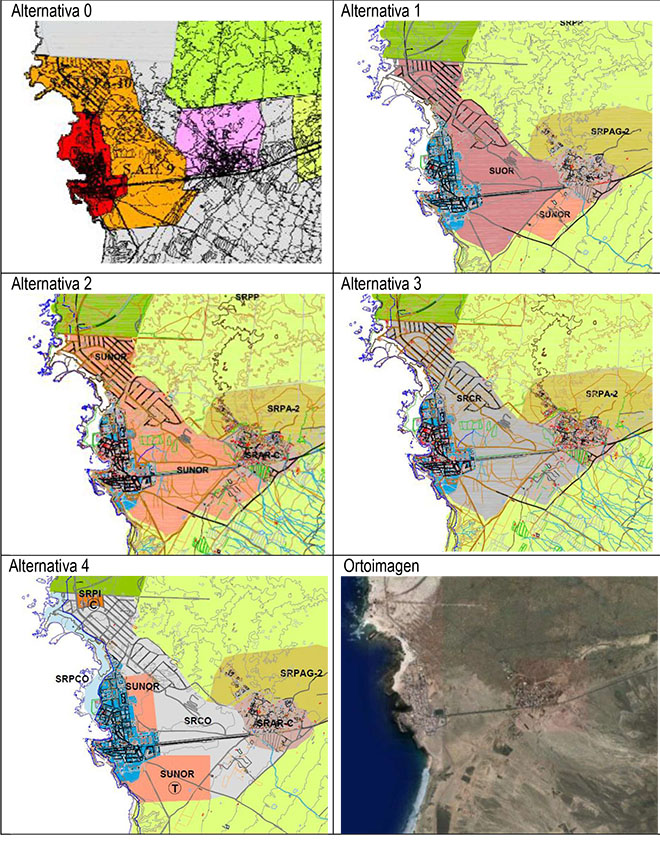
In the initial strategic document of the General Plan, signed by biologist Rosendo López, three alternatives are assessed for their environmental viability. The first alternative, classifying the area from El Roque to El Cotillo as unplanned urbanizable land, presents significant environmental concerns according to stakeholders’ evaluations.
Viable Alternatives for Development
While the extreme first option received negative assessments, alternatives 2, 3, and 4 present promising pathways:
- Alternative 2 mirrors the urbanizable focus while addressing environmental nuances.
- Alternative 3 envisions a predominantly rustic classification aimed at preserving natural habitats.
- Alternative 4 strikes a balance, designating parts as urbanizable along with preserving rustic zones.
The third alternative stands out for its precision, allowing for the urban expansion of El Cotillo, defining specific areas as urbanizable.
Detailed Insights on Urban Expansion Plans
A notable aspect of the proposed plan involves defining two specific areas for development. One is plotted for urban expansion towards El Roque, featuring a significant tract of land next to the local football field. Though the exact dimensions are not specified in the documentation, satellite imaging indicates it could exceed 110,000 square meters.
The second area earmarked for development lies near the Torre de El Tostón, designated for tourism. Measuring over 400,000 square meters, this location has been highlighted for its high potential for permanent residential or tourism-related projects, emphasizing the enormous appeal of these sites for both investors and tourists.
Conclusion: A Community in Transition
As La Oliva stands at a crossroads, the development of the new PGO calls for careful consideration of environmental, social, and economic factors. The path chosen will not only shape the future of El Cotillo but also serve as a case study for sustainable development in the Canary Islands, illustrating the delicate balance between growth and preservation in a region rich in natural beauty and cultural heritage.