Reclaiming Nature: The Natural Resurgence of Jandía Salt Marsh
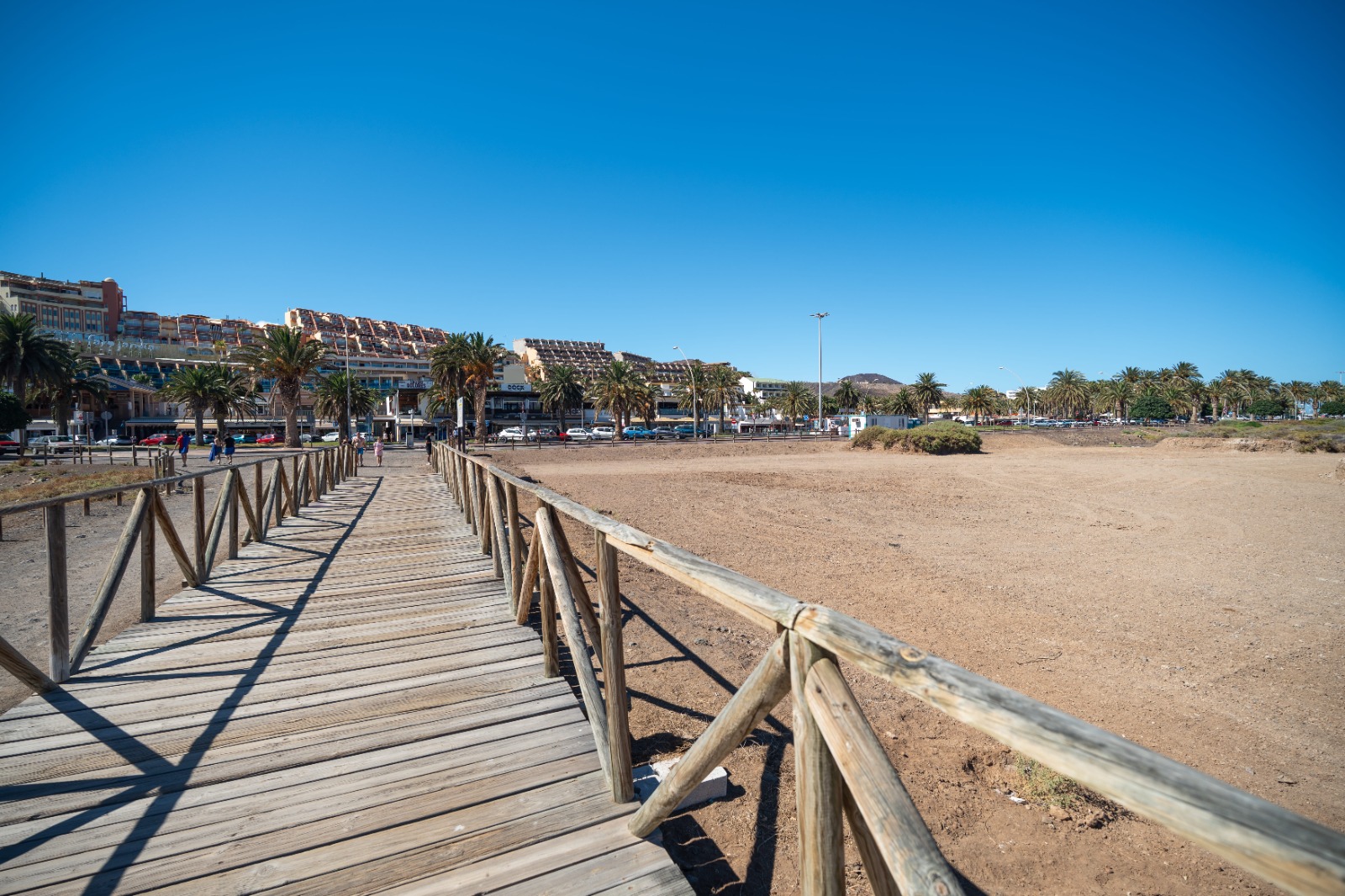
Fuerteventura, a picturesque island in the Canaries, is embarking on a vital conservation project that aims to return a vital ecosystem to its natural glory. The Cabildo de Fuerteventura, through its Ministry of Tourism, is currently advancing the significant initiative known as the naturalization of the Saladar de Jandía. This project focuses on revitalizing an impressive 9,000 square meters of this Site of Scientific Interest located in the municipality of Pájara, ensuring that this unique habitat can thrive once again.
Project Overview
At the heart of the naturalization effort is the decision to remove an outdated wastewater treatment plant that previously occupied this precious land. This critical first step lays the groundwork for further rehabilitation processes. The total execution time for the project is estimated at one year, with an investment of nearly 250,000 euros dedicated to restoring the landscape. Among the subsequent phases will be the recovery of the site’s original geomorphology and elevation, essentially allowing the ecosystem to restore its natural water levels and conditions.
Importance of the Ecosystem
The Saladar de Jandía holds a unique status within the Canaries, serving as one of the most important wetlands and being the only site in the archipelago included in the international Ramsar Convention, which highlights its global importance for biodiversity. The wetland is not just an ecological asset; it also contributes significantly to the local scenic beauty and the quality of life for residents. The restoration efforts will ensure that this crucial habitat serves not only wildlife but also fosters community pride in preserving natural heritage.
Voices of the Initiative
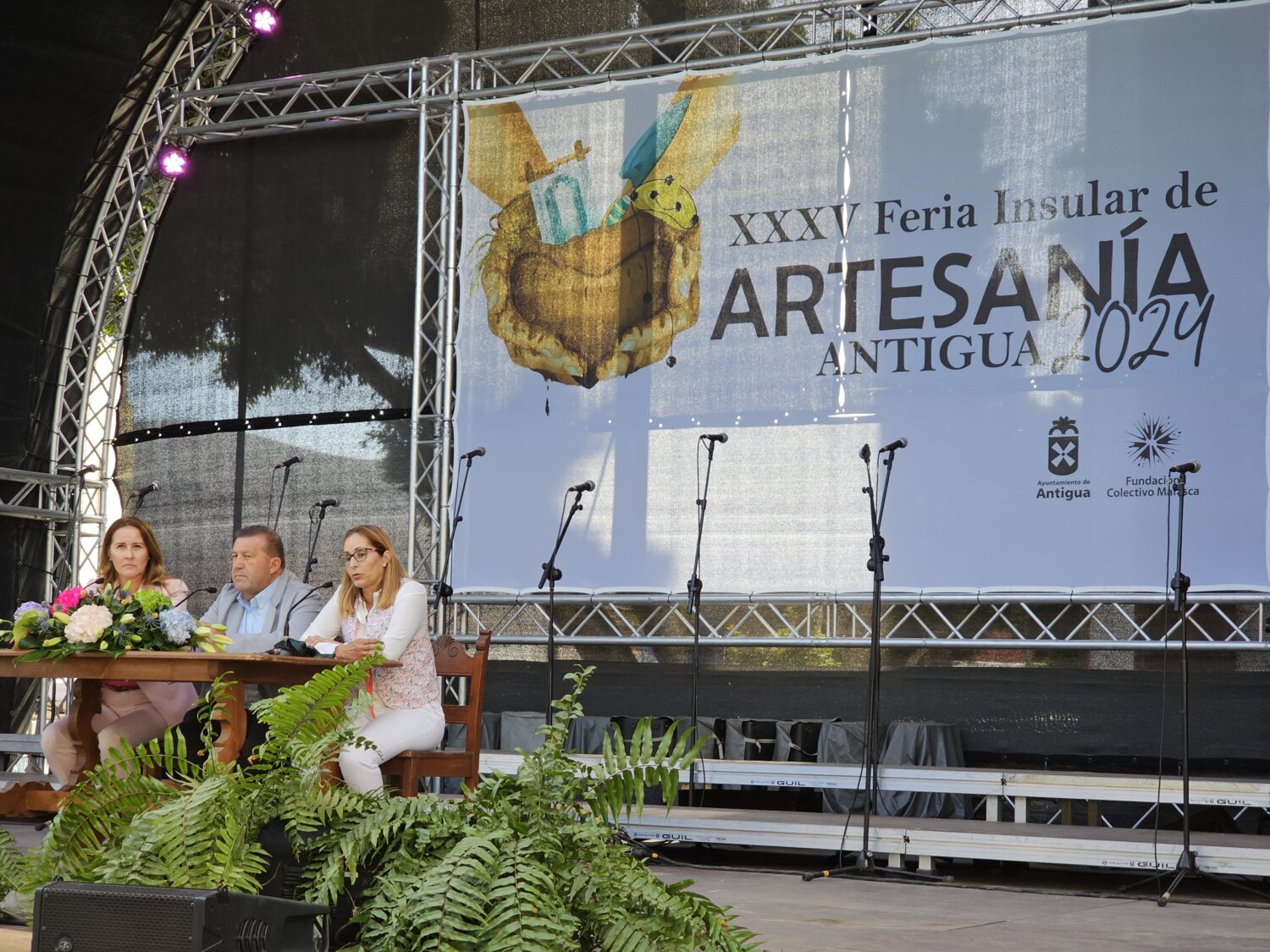
Lola García, the insular president, highlighted the project’s alignment with the Cabildo’s broader objectives: “The protection of our territory and landscape.” Such declarations underline the social and environmental commitment of local leaders to safeguard vital ecological areas. Marlene Figueroa, the counselor of Tourism, Blue Economy, and Biosphere Reserve, emphasized the positive visual and landscape impact of such initiatives. “These actions across the territory aim to make our destination more sustainable and improve the quality of life for the people who live here,” she stated, reinforcing the project’s multifaceted benefits.
Collaborative Efforts
The project has garnered support not only from the Cabildo but also from the local municipality of Pájara, illustrating a cooperative approach to environmental restoration. This collaboration is vital for ensuring the success of the initiative and has been bolstered through funding from Next Generation EU, a financial response to foster recovery across Europe post-pandemic, alongside assistance from the Government of the Canary Islands.
Future Prospects
The Saladar de Jandía’s revival is poised to create a flourishing habitat that will attract wildlife, enhance biodiversity, and provide a sanctuary for local flora to thrive. As the project moves forward, it reflects broader goals of sustainable tourism and ecological preservation that many areas worldwide are increasingly prioritizing. By investing in natural spaces, Fuerteventura is not only beautifying its landscapes but also contributing to global efforts to protect our planet’s resources.
A Commitment to Sustainability
Overall, the naturalization of the Saladar de Jandía stands as a testament to the continued dedication of local authorities toward environmental stewardship. By returning this area to its natural state, Fuerteventura is setting a precedent for future conservation initiatives, reinforcing the island’s commitment to sustainability and ecological wellness in the face of growing environmental challenges.