The Unique Identity of Spain’s National Anthem: “La Marcha Real”
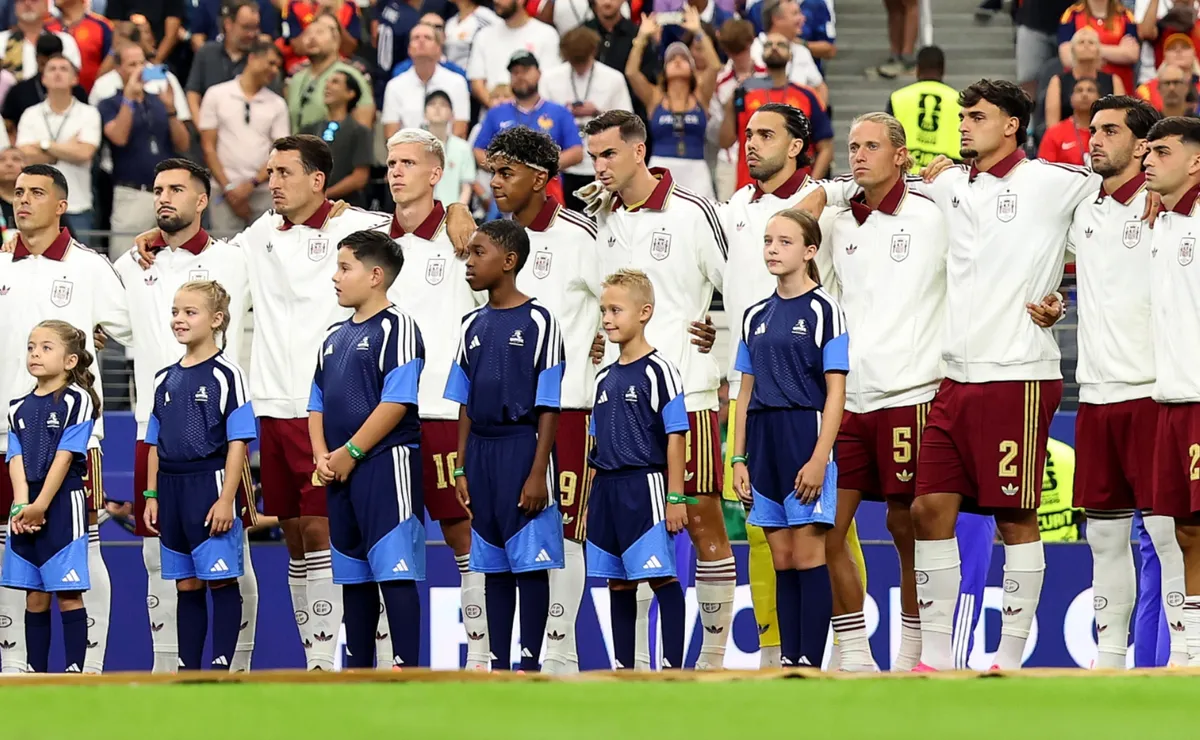
Spain’s national anthem, “La Marcha Real,” stands out as one of the few anthems worldwide that is performed solely through music, lacking any official lyrics. This distinctive characteristic sets it apart from the majority of national anthems, where players and fans typically sing along. Instead, during international competitions, audiences and athletes alike listen to an instrumental composition that has become emblematic of Spain’s national identity.
Historical Origins of “La Marcha Real”
The origins of “La Marcha Real” date back to 1761, when the melody first appeared as “La Marcha Granadera” in a Spanish military document. This early version was associated with military ceremonies and was later recognized by King Carlos III in 1770 as a “March of Honor.” Over time, it became closely linked with the Spanish monarchy, often played at royal events and ceremonies.
The anthem’s journey to becoming Spain’s national anthem was not formalized through legislation but rather evolved through tradition and royal endorsement. It was included in the Libro de Ordenanza de los toques militares de la Infantería Española, although its exact authorship remains a topic of debate among historians. As it was regularly performed at public events attended by the royal family, the piece gradually became known as the “Royal March.”
The Changing Status of the Anthem
Throughout Spanish history, the status of “La Marcha Real” has fluctuated. During the Second Spanish Republic, the anthem was temporarily replaced by another song. However, following the Civil War, “La Marcha Real” was reinstated as the national anthem. Its current official regulation was established through Royal Decree 1560/1997, which outlines the anthem’s musical versions and their appropriate contexts.
Attempts to Add Lyrics
Despite its long-standing history, Spain has made several attempts to add official lyrics to “La Marcha Real.” However, none of these proposals have garnered enough public or political consensus to become permanent.
One of the earliest efforts occurred in 1870, when General Juan Prim organized a national competition to create a new anthem. Ultimately, the jury recommended retaining the existing march. In the 20th century, lyrics were associated with “La Marcha Real” during Francisco Franco’s dictatorship, but these words were later discarded due to their historical connotations.
In 2007, a notable modern initiative emerged when the Spanish Olympic Committee supported a project to introduce new lyrics. Written by Paulino Cubero and publicly presented with a performance by Plácido Domingo, the proposal faced significant criticism and was ultimately withdrawn, leaving Spain without official lyrics.
The Meaning Behind “La Marcha Real”
The title “La Marcha Real” translates to “The Royal March” in English, reflecting its historical ties to the Spanish monarchy and royal ceremonies. Before it was widely recognized by this name, the piece was known as “La Marcha Granadera” or “March of the Grenadiers,” highlighting its military origins.
Today, “La Marcha Real” is unique among major international anthems due to its lack of lyrics. This instrumental nature has become a defining characteristic of Spain’s national representation, allowing the melody to resonate deeply with both players and fans during significant events, such as the FIFA World Cup.
Cultural Significance
The absence of lyrics in “La Marcha Real” has fostered a unique cultural identity for Spain. While many nations express their national pride through song, Spain’s anthem relies solely on its melody, creating a distinct atmosphere during international competitions. This has led to a sense of unity among players and fans, who share a collective experience of listening to the anthem rather than singing it.
As Spain prepares for future international events, including the 2026 FIFA World Cup, the instrumental nature of “La Marcha Real” will continue to play a significant role in the nation’s representation on the global stage. The choice of artist to perform the anthem at such events adds another layer of excitement and anticipation, further enriching the cultural tapestry surrounding this unique national symbol.