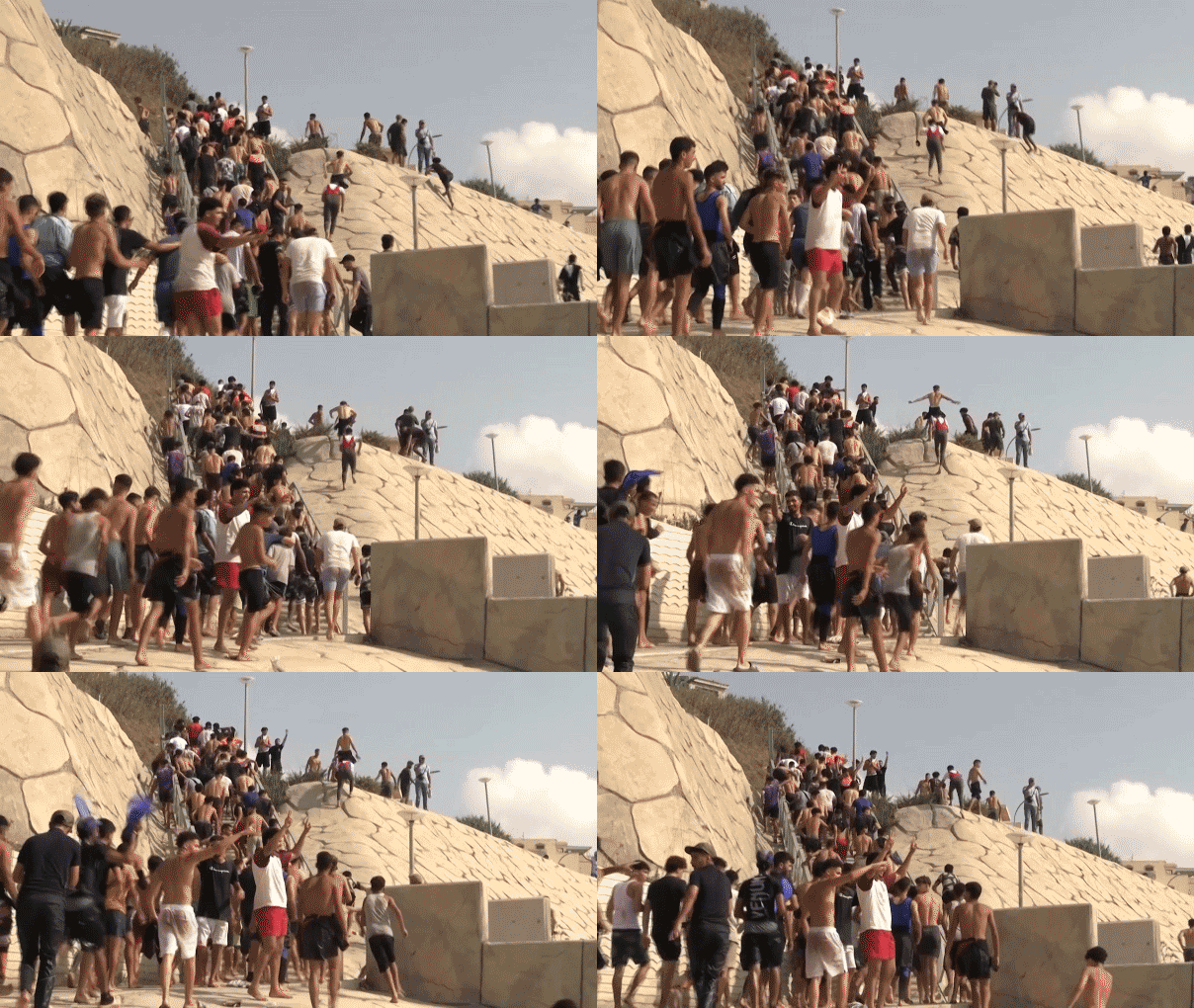
The Migrant Crisis at Ceuta: A Complex Situation Unfolds
Background of Ceuta
Ceuta, a small Spanish enclave located on the northern coast of Africa, shares a border with Morocco. This unique geographical position makes it a focal point for migration from Africa to Europe. Over the years, Ceuta has witnessed fluctuating waves of migrants seeking better opportunities, often leading to tense situations at the border.
Recent Developments
On Thursday, the situation escalated dramatically when the border between Ceuta and Morocco collapsed, resulting in a surge of over 2,000 migrants crossing into the Spanish territory within just ten days. This influx has raised alarms among local authorities and prompted Ceuta’s president, Juan Jesús Vivas, to formally request a national emergency declaration.
The White House Response
The White House reacted strongly to the situation, criticizing Spain’s left-wing government for its immigration policies. Anna Kelly, the principal deputy press secretary, stated that President Trump had long warned European nations about the consequences of adopting far-left, globalist policies that enable mass migration. She urged Spain and similar countries to reconsider their approaches or face dire consequences.
The Chaos at the Border
Videos from the scene depict chaotic scenes, with groups of migrants, many appearing to be military-aged men, joyfully crossing into Ceuta. Some were seen carrying swimming flippers, having swum across from Morocco, while others sprinted through the streets, overwhelming local authorities. This chaotic influx has raised concerns about the ability of local law enforcement to manage the situation effectively.
Ceuta’s Emergency Request
In light of the escalating crisis, President Vivas formally requested that Spanish Prime Minister Pedro Sánchez declare a national emergency. However, the Spanish Ministry of the Interior denied this request, stating that migratory flows do not constitute a risk to the National Civil Protection System. This denial has sparked frustration among local officials who feel ill-equipped to handle the sudden surge of migrants.
The Government’s Stance
Despite the denial of the emergency request, Prime Minister Sánchez assured the public that the government is committed to addressing the situation. He stated that Spain is mobilizing all necessary resources and collaborating with Moroccan and international authorities to restore normalcy. However, Sánchez has faced significant backlash from conservative factions within Spain, who argue that his immigration policies incentivize mass migration.
The Broader Implications
The recent surge in migrants has reignited debates about Spain’s immigration policies, particularly the provision of social services to minors who enter the country illegally. Critics argue that such policies encourage more migrants to attempt the perilous journey to Europe. Conservative journalist Javier Negre emphasized that once minors cross the border, Spain is obligated to care for them, which places additional strain on local resources.
Economic Considerations
In defense of his policies, Sánchez has argued that accepting migrants is essential for Spain’s economic sustainability. With declining birth rates, he posits that immigration is necessary to maintain the workforce and support public services. In a recent op-ed, he highlighted the need for Europe to embrace migration to avoid demographic decline and economic stagnation.
The Future of Ceuta
As the situation at Ceuta continues to unfold, it remains to be seen how the Spanish government will balance the immediate humanitarian needs with long-term immigration policy reforms. The complexities of migration, national security, and economic stability are all intertwined in this ongoing crisis, making it a pivotal moment for Spain and Europe as a whole.
Ongoing Developments
The situation is fluid, with local authorities and the Spanish government working to manage the influx of migrants while addressing the concerns of citizens. As the crisis develops, it will be crucial to monitor the responses from both local and national leaders, as well as the implications for Spain’s immigration policies moving forward.