Housing Rehabilitation Projects in Fuerteventura: A Collaborative Effort
Major Investments in Housing Rehabilitation
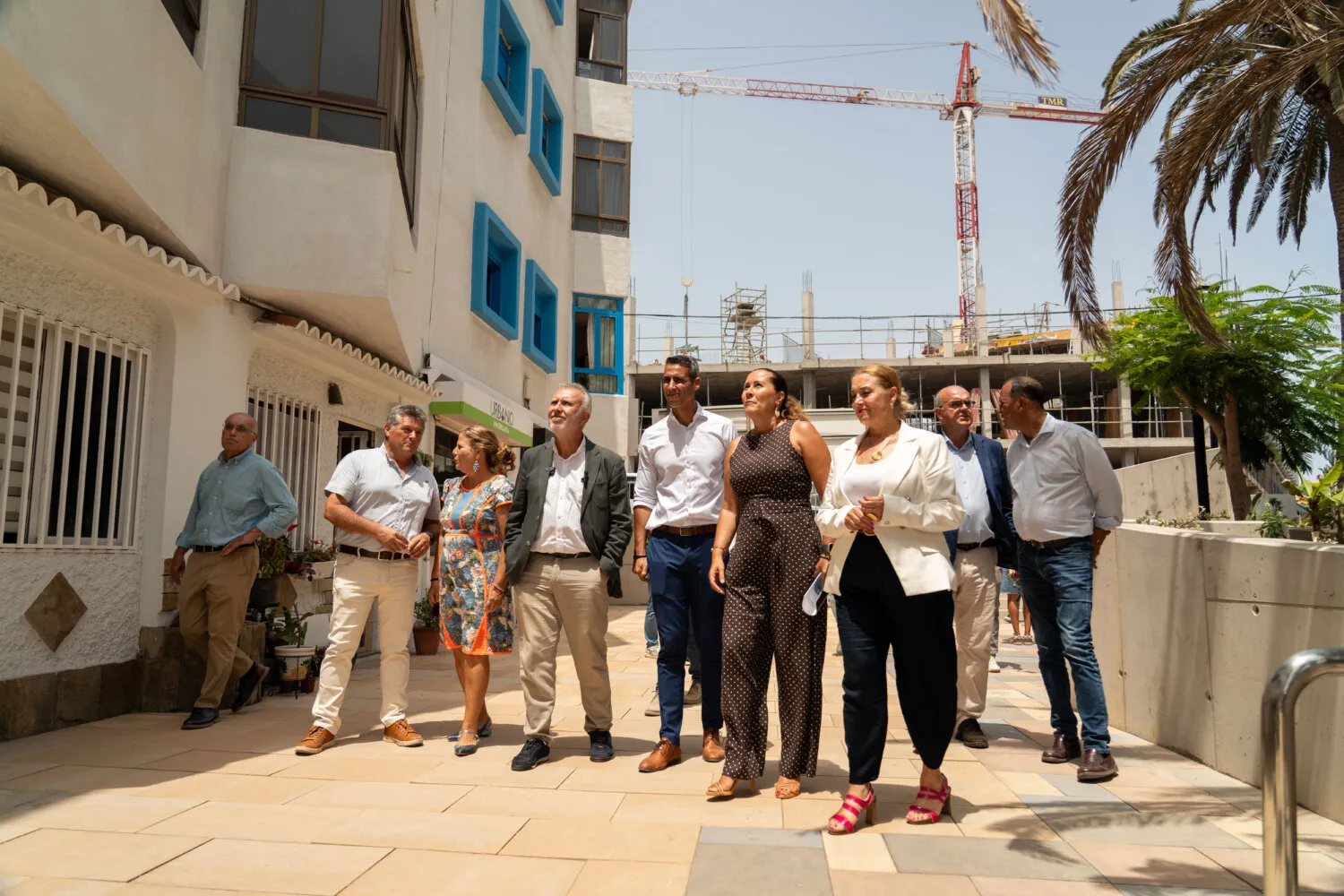
Fuerteventura is currently witnessing a significant investment aimed at revitalizing its housing landscape, with a collective effort involving the Cabildo de Fuerteventura, the municipality of La Oliva, the Government of the Canary Islands, and the State. These projects together represent a robust investment totaling nearly 14 million euros, dedicated to the rehabilitation of residential areas in Corralejo and El Cotillo. Specifically, a total of 507 homes will undergo transformations, aligning with the growing need for quality and accessible housing in this picturesque part of Spain.
The breakdown of these rehabilitation efforts includes rehabilitating 262 homes in Casco Viejo Corralejo Fase I and II, 107 in Fase III, and 138 homes in El Cotillo. This focused approach aims to enhance not just individual living conditions but also the overall character and appeal of these communities.
A Comprehensive Investment Strategy
The larger picture reveals that the commitment to housing in Fuerteventura involves an ambitious plan exceeding 53 million euros. This funding, substantially backed by European NextGeneration funds, reflects an inter-institutional alliance that includes the Cabildo, local municipal governments, the Government of the Canary Islands, and the Ministry of Housing and Urban Agenda. This collaborative framework is crucial in addressing the urgent need for housing rehabilitation and the construction of new residences.
Enhancing Quality of Life on the Island
Lola García, the president of the Cabildo de Fuerteventura, emphasizes the importance of this coordinated interadministrative effort. She states that over 19 million euros from this investment specifically target residential area rehabilitation to ensure quality living spaces across the island. Projects are also planned in Puerto del Rosario and Tuineje, reflecting a comprehensive approach to improving the island’s housing stock.
García insists that the solution to housing issues should not simply focus on new construction but rather on optimizing existing land and rehabilitating abandoned or incomplete buildings. “The goal is to find a sustainable way to address housing needs without depleting more land resources,” she notes, advocating for maximizing the utility of already established structures.
Focus on Community Well-Being
Isaí Blanco, the mayor of La Oliva, reaffirms these objectives, stating, “We continue to advance the rehabilitation of 507 homes between Corralejo and El Cotillo. Our main aim is to enhance the quality of life and overall well-being of the residents of La Oliva.” This focus not only aims to repair and modernize existing buildings but also to foster a stronger sense of community among the residents.
Launch of Public Housing Initiatives
In addition to the rehabilitation projects, plans for the construction of new public housing are also in the works. Pino de León, the director of the Canarian Housing Institute, highlighted that 77 new public housing units in Corralejo are already underway. Alongside these efforts, three more rehabilitation projects are being implemented in the Corralejo area, with additional work planned for El Cotillo.
According to de León, these interventions focus particularly on enhancing energy efficiency, which will not only improve living conditions for over 500 families but also expand the availability of public housing to better address existing demand. The strategy is not limited to Fuerteventura; it extends across all the Canary Islands, with more than 4,000 housing units currently in progress.
Institutional Collaboration: A Key Element
De León points out that the successful implementation of these projects owes much to collaborative efforts among various government levels. “The partnership between the State, Government of the Canary Islands, cabildos, and municipalities is essential in advancing housing policies and addressing the housing emergency facing the Archipelago,” she states.
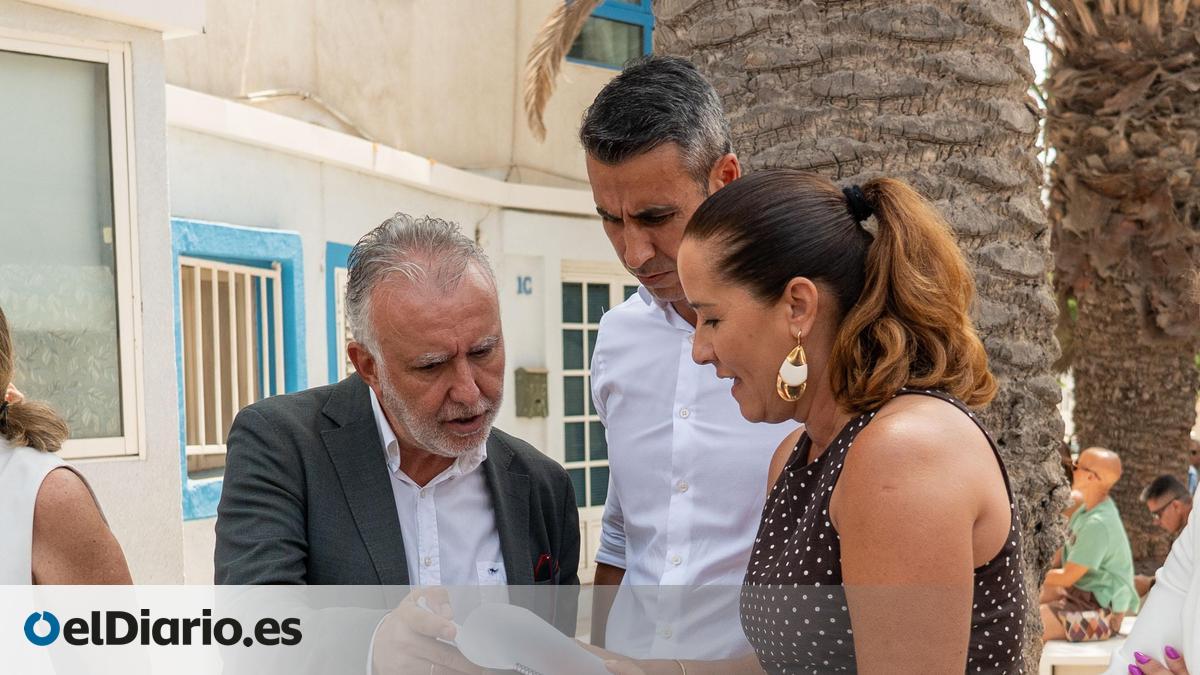
Ángel Víctor Torres, the Minister of Territorial Policy, echoed these thoughts, describing these initiatives as exemplary cases of administrative collaboration aimed at building and rehabilitating homes. His commitment to supporting projects that expand housing availability and improve access reflects a broader goal of ensuring housing is a recognized right for all citizens.
In summary, Fuerteventura’s proactive approach to housing rehabilitation showcases a commitment that transcends mere construction. Through strategic investments, inter-institutional collaboration, and a focus on community well-being, it aims to build a resilient and livable environment where residents can thrive.