The Push for Maritime Connectivity in Fuerteventura: A Call to Action
The picturesque island of Fuerteventura, part of Spain’s Canary Islands, is facing a significant challenge in maintaining its vital connections to the mainland. Recent developments have brought this issue to the forefront, prompting local officials to seek governmental intervention.
The Suspended Maritime Line
Lola García, the president of the Cabildo of Fuerteventura, has urgently petitioned Ángel Víctor Torres, the Minister of Territorial Policy and Historical Memory, for support in reinstating the maritime line to the Peninsula. The previous route connecting Fuerteventura directly to Cádiz was suspended, cutting off an essential link for residents and businesses.
The importance of this maritime line cannot be overstated. It plays a crucial role in facilitating tourism, commerce, and transportation for the inhabitants of the island. The suspension has raised concerns among locals who rely on this connection for their livelihoods and daily needs.
Unified Efforts to Address the Issue
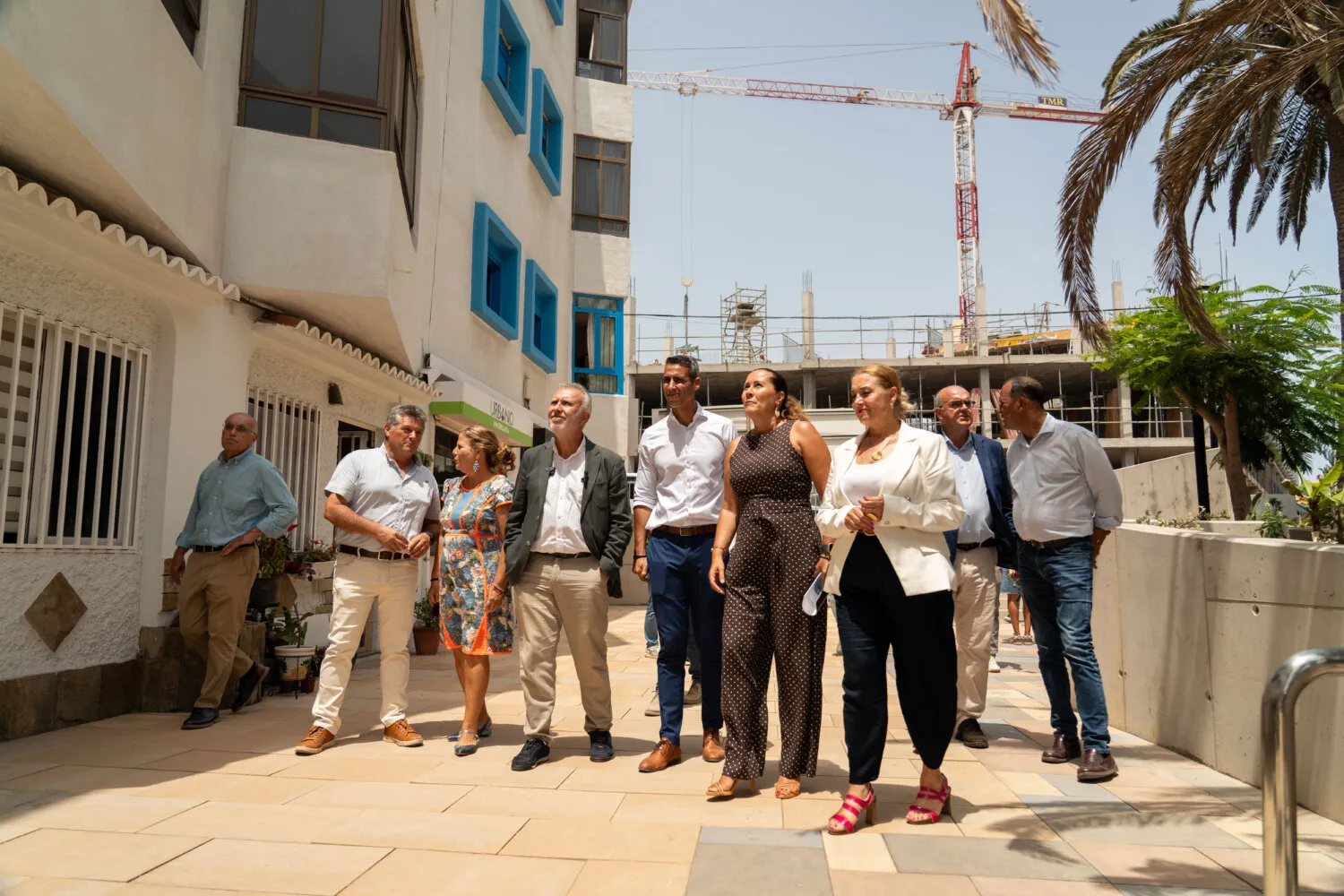
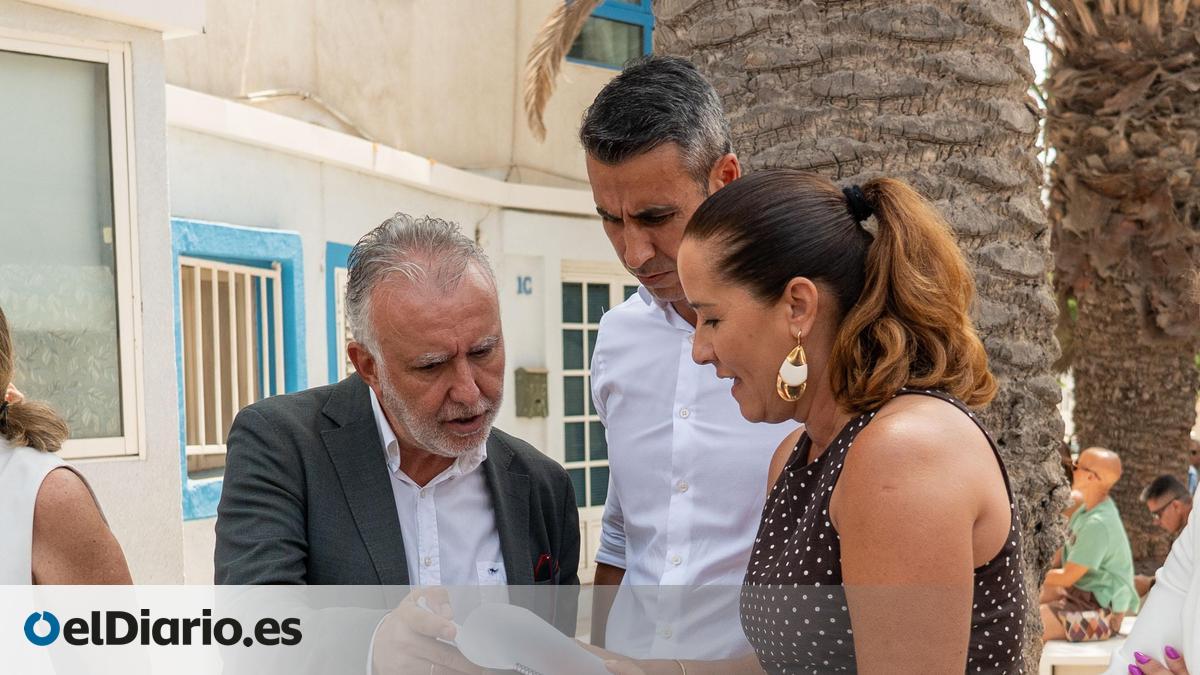
During a recent visit to Fuerteventura, where Minister Torres inspected housing rehabilitation projects in Corralejo and El Cotillo, García took the opportunity to present him with a formal agreement signed by various local institutions. This coalition includes the insular corporation, municipal governments, and the Chamber of Commerce, all united in their request to restore the maritime service as a matter of public interest.
The coordinated effort highlights the urgency and seriousness of the situation. The agreement, which was signed on July 20, represents a collective stance against the unilateral decision made by the State to suspend this strategic service, indicating a strong desire for the local institutions to have a voice in matters affecting the island.
Direct Communication with the Minister
García has emphasized the importance of direct communication with Minister Torres regarding this pressing issue. “While I have already had preliminary discussions with the minister, I wanted to use his visit as an opportunity to assure him of the significance of this matter to both the community and the governing bodies of Fuerteventura,” she stated. She urged Torres to advocate for the reinstatement of the maritime line to the relevant authorities in the Ministry of Transport and Mobility.
Her insistence on direct action underscores the link between political will and the practical needs of the island’s residents. The focus is clear: restoring this maritime route is essential for maintaining economic stability and fostering growth in the region.
Government Actions Underway
In a related development, the Cabildo has communicated that the Ministry of Transport and Mobility is currently undertaking a preliminary study to draft new bidding documents for maritime transport services. This signals an opportune moment for stakeholders to unite and advocate for solutions that will meet the unique transportation needs of Fuerteventura.
García has expressed optimism regarding the minister’s sensitivity to the issue, stating, “I am confident that the minister will act with understanding toward a matter that directly impacts the economy of an isolated island like Fuerteventura.” Her belief in the minister’s capacity to effect change reflects a hopeful attitude among the local administration.
Challenges Ahead
The road to restoring the maritime line may be fraught with challenges, but the concerted efforts of Fuerteventura’s leaders demonstrate a commitment to ensuring the island’s connectivity. The combination of political advocacy, community support, and government responsiveness will be critical in determining the outcome of this pressing issue.
As this situation unfolds, the fate of Fuerteventura’s maritime connection to the Peninsula remains a vital subject for islanders, and the engagement of local leaders like Lola García signifies a proactive approach in seeking solutions for the future.