Preserving History While Embracing Change: The Future of Antiguo Santa Cruz
The historic heart of Santa Cruz de Tenerife, known as Antiguo Santa Cruz, is facing substantial changes with the proposed Special Plan. Central to this plan is the introduction of a new category for 28 buildings that have yet to receive an adequate designation under current legislation. This initiative aims to provide these structures with “documentary protection,” allowing their owners to demolish them, provided they document the buildings through photos and plans for public archives.
Documentary Protection: A Double-Edged Sword
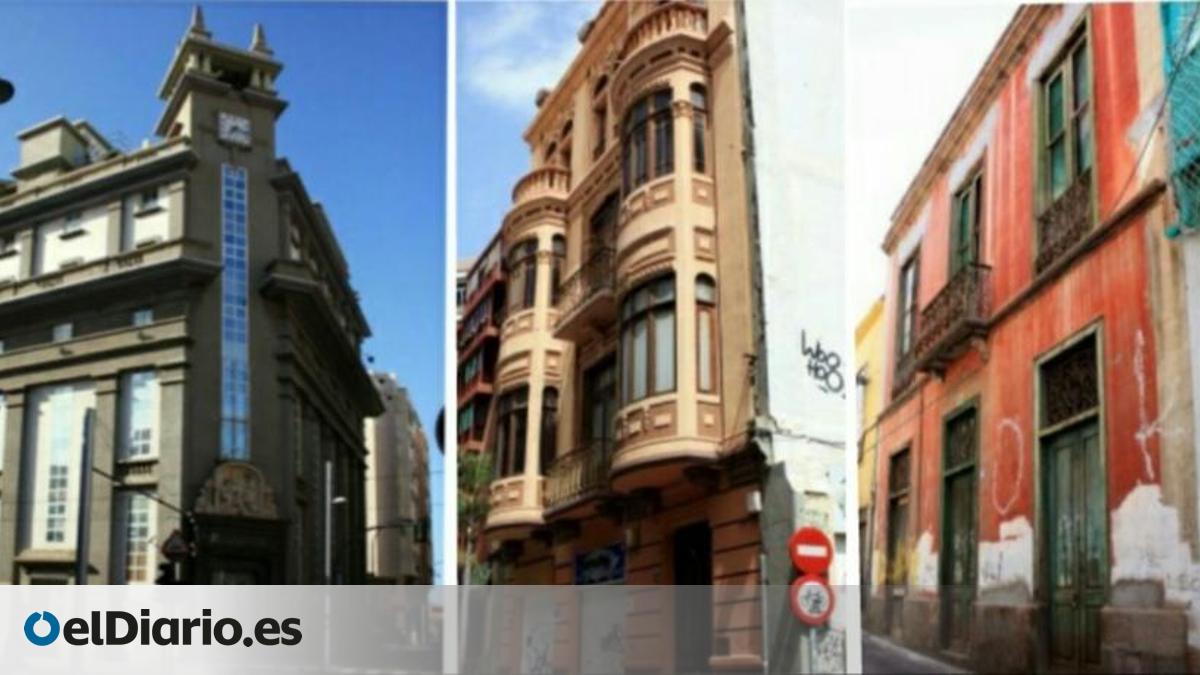
The concept of “documentary protection” is particularly striking as it offers a means to recognize historical structures without necessarily preserving them in the physical realm. This approach permits the demolition of notable buildings, such as the former headquarters of CajaCanarias and the Hacienda Ministry, designed by the renowned architect Domingo Pisaca in the mid-20th century. These demolitions spark debates about the value of memories captured in photos versus the physicality of historic architecture.
Traditional protections against complete demolition include various levels of preservation—partial, integral, or environmental—designed to safeguard not only facades but also interiors. The new plan, however, suggests that mere documentation suffices for maintaining the historical essence of these buildings, raising questions about what it truly means to protect cultural heritage.
The Plan’s Path to Approval
Currently, the draft plan remains open for public scrutiny for 45 days since its introduction on July 19. This phase marks the start of an extensive administrative process leading to a final approval, contingent upon favorable reports from the Cabildo de Tenerife. Given the area’s classification as a Cultural Asset of Interest (BIC), this move is not without its complexities, especially given the historical discrepancies between the Cabildo and the City Council regarding preservation priorities.
A Detailed Catalog of Protection
Under the proposed plan, 190 from a total of 284 structures within Antiguo Santa Cruz’s boundaries will receive protection, which is an increase over previous listings. However, it is critical to note that among these, 28 buildings will have the dubious honor of being eligible for demolition. While owners may evoke the option of renovation or restoration, they also have the power to replace these structures entirely with new designs. Such allowances leave the future of historical landmarks resting firmly in the hands of private property owners.
Changing Perspectives on Historical Value
The plan’s developers argue that many buildings—despite being physically older—fail to contribute meaningfully to the urban environment that Santa Cruz seeks to preserve. Some have even been deemed devoid of pertinent heritage value, including structures on Castillo Street and at Candelaria Street. This perspective on historical relevance begs further reflection on how we define and appreciate the layers of our city’s past.
The document also acknowledges a historical loss—much of the Old Santa Cruz’s unique character has been eroded over the years, particularly after the mid-20th century during urban development phases. The architects call for a recovery of historical traces still capable of enriching the narrative of the city’s foundation.
Revival of the Urban Core
The overarching goal of the Special Plan is to repopulate the historical core of Santa Cruz. This initiative echoes broader urban revitalization trends seen in many cities worldwide. Objectives include increasing public transport accessibility, beautifying public spaces, and encouraging families to inhabit the area. With almost half of the buildings reportedly in disrepair, stimulating residential growth through rental housing and revitalization efforts will be essential.
Specific plans also include financial strategies to breathe new life into the historic center, further emphasizing the need to prioritize local businesses over large franchises, thereby encouraging a unique commercial landscape.
Mobility and Public Space Enhancements
Addressing urban mobility, the document outlines proposals to reroute public transport lines while minimizing the need for new parking facilities. It also emphasizes the importance of maintaining visual coherence by improving urban furniture and signage, thereby enhancing the aesthetic appeal of the area. These efforts are aimed at reducing the visual clutter that detracts from the historical ambiance.
Moreover, the plan proposes to regulate commercial and residential development in such a way that housing will take precedence over office spaces or retail establishments, preserving the area’s residential character.
Environmental Considerations
An environmental strategic evaluation concludes that the overall ecological value of the historic ensemble is low. This finding guides the proposals for mitigating negative impacts, including the proliferation of cables and deteriorating buildings. Enhancements must be undertaken judiciously to ensure the unique architectural features of the area are not compromised further.
Creating a Management Body
To achieve the outlined goals, the plan suggests establishing a specific agency dedicated to integrating the management of Santa Cruz’s historical cores. This organization would ideally comprise specialists in urban revitalization, historical protection, social issues, and economics to ensure a balanced approach to urban planning.
Conclusion
The road ahead for Antiguo Santa Cruz is filled with potential, both for restoration and new developments that promise to alter the landscape of the historic district. The proposed Special Plan embodies a future where history is respected, but also where progress and modern needs can harmoniously coexist. Each step taken in the coming months will shape how the city navigates this delicate balance between preservation and innovation.