The Struggles of Fishermen in El Cotillo: A Fight for Survival
In the picturesque village of El Cotillo, located on the northwest coast of Fuerteventura in the Canary Islands, a sense of indignation, rage, and impotence has been brewing among local fishermen and residents for years. The reason? A feeling of total abandonment regarding their fishing refuge by the Government of the Canary Islands. This article delves deep into the emotional and practical struggles faced by these fishermen, the deteriorating conditions of their fishing refuge, and the heightened frustrations surrounding government inaction.
A Refuge in Decline: The Current State of Affairs
The fishing refuge in El Cotillo, an essential lifeline for around 22 professional fishermen, has seen better days. With no security personnel, surveillance cameras, or maintenance crews, the facility has slowly deteriorated. As if that wasn’t enough, the lack of a crane to launch boats over five meters exacerbates the situation. Fishermen are left grappling with critical issues, including the crumbling protective wall and a faulty fuel depot. These conditions not only endanger the fishermen’s livelihoods but also threaten the future of the fishing industry by closing off possibilities for generational succession.
Voices of the Local Fishermen
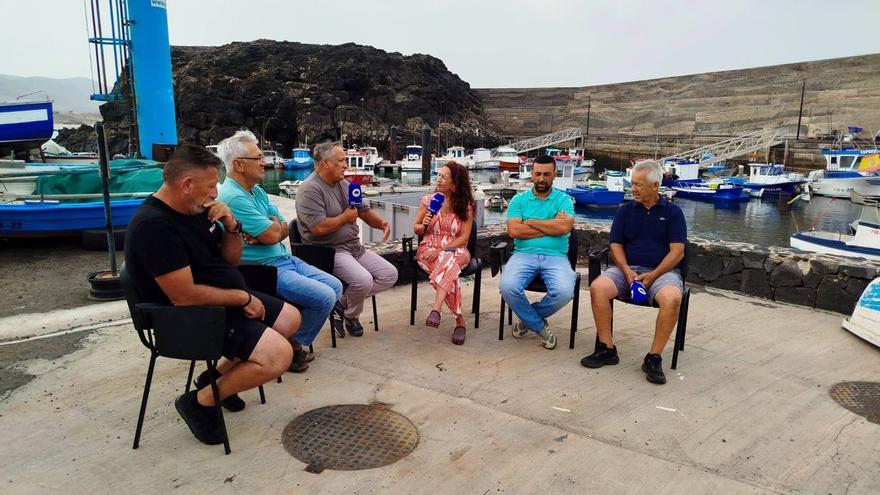
Among the voices raising the alarm is Juan Francisco González, affectionately known as “Chitito,” who serves as the president of the Fishermen’s Brotherhood of Corralejo. Along with colleagues Marcos Figueroa and Juan Manuel Cabrera, Chitito participated in a discussion on Onda Fuerteventura, hosted by journalist Nuria González. The fishermen highlighted their grave situation, emphasizing that the poor state of the refuge has forced some boats to move to other port areas. Their demand is clear: they want actionable improvements to the sanctuary that is meant to support them.
Government Decisions and Broken Promises
In November 2025, a pivotal decision was made when an addendum was approved that authorized Puertos Canarias to hand over the management of 14 fishing refuges to the Department of Agriculture, Livestock, and Fisheries of the Government of the Canary Islands. The intent was for the Fishermen’s Brotherhoods to take charge; however, Chitito immediately pointed out a significant flaw: they lack the capacity to manage these refuges effectively.
Despite the government’s assurances, the conditions remained unchanged for the fishing community. Chitito noted their anticipation for actual construction and management to begin: “If we’re going backward, it would’ve been better to leave the management to Puertos Canarias.”
Funding and Delayed Improvements
On November 3, 2025, the Canary Government approved a credit extension of €200,000 aimed at improving the El Cotillo fishing refuge. Yet, as the years have passed, the fishermen have viewed the lack of progress—no work has been done to implement the improvements—as a clear sign of neglect, with their frustrations growing.
Originally, the government framed this funding within the broader project for the conservation and improvement of infrastructure in Fuerteventura. Officials stated that these funds would facilitate essential actions requested by the local Fishermen’s Brotherhood. Improvements including accessibility upgrades, paving around the docks, and essential interventions in fishing sector equipment were promised. However, nine months on, none of these promised works have materialized.
Community Perspectives on Government Actions
The local political party Asamblea Majorera–Coalición Canaria had initially reacted positively to the proposals from the government, labeling them as essential for addressing long-standing demands from the fishing sector. Yet, optimism has been met with disappointment as the realities of delay and bureaucratic inertia overshadow earlier hopes. The sentiment among fishermen reflects a broader community concern—they feel that their needs and livelihoods have been overlooked.
The ongoing challenges faced by El Cotillo fishermen paint a distressing picture of a community struggling against governmental negligence. The contrast between their hopes for improvements and the stark reality they face every day serves only to heighten their emotional turmoil. The fishermen’s fight is not merely about a refuge; it’s about the preservation of a way of life and the future of their community.