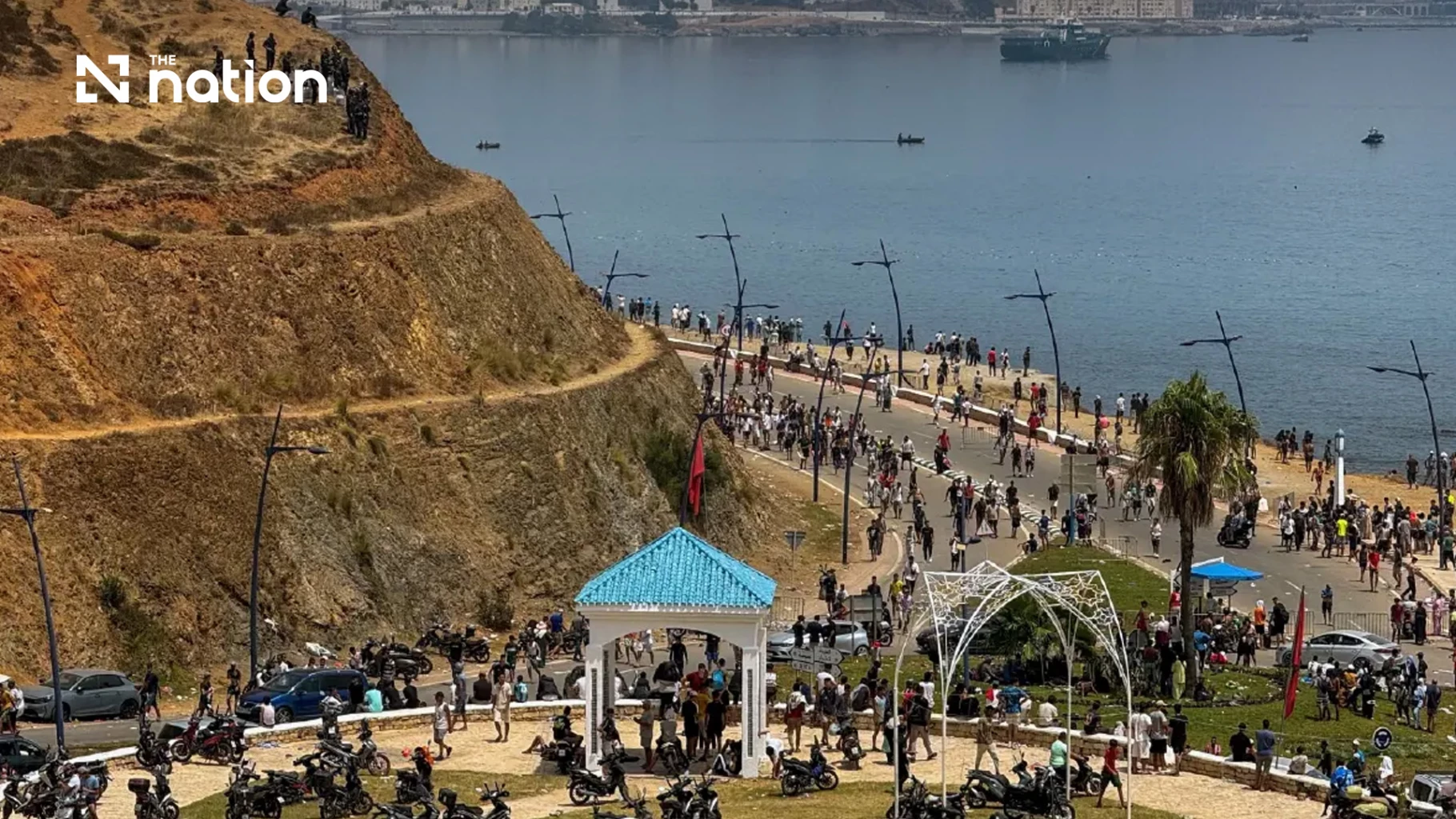
Troops and Police Deployed as Crossings Overwhelm Ceuta
In a dramatic response to an unprecedented surge of migrants, Spain has deployed troops and reinforced the Guardia Civil presence in Ceuta, a small Spanish enclave on the northern coast of Africa. This sudden influx of tens of thousands of people has placed immense pressure on local police, security services, and public facilities. To regain control, the Spanish government has also dispatched helicopters to monitor the border and accelerated the construction of a 500-meter maritime barrier.
Spanish Prime Minister Pedro Sánchez made a visit to Ceuta amidst the chaos, emphasizing the urgency of the situation. On the Moroccan side, security forces reportedly resorted to tear gas and water cannons to disperse crowds attempting to breach the border. As conditions deteriorated, hundreds of migrants began returning to Morocco through official border crossings, with many opting to go back voluntarily after facing dire shortages of food, water, and shelter in Ceuta.
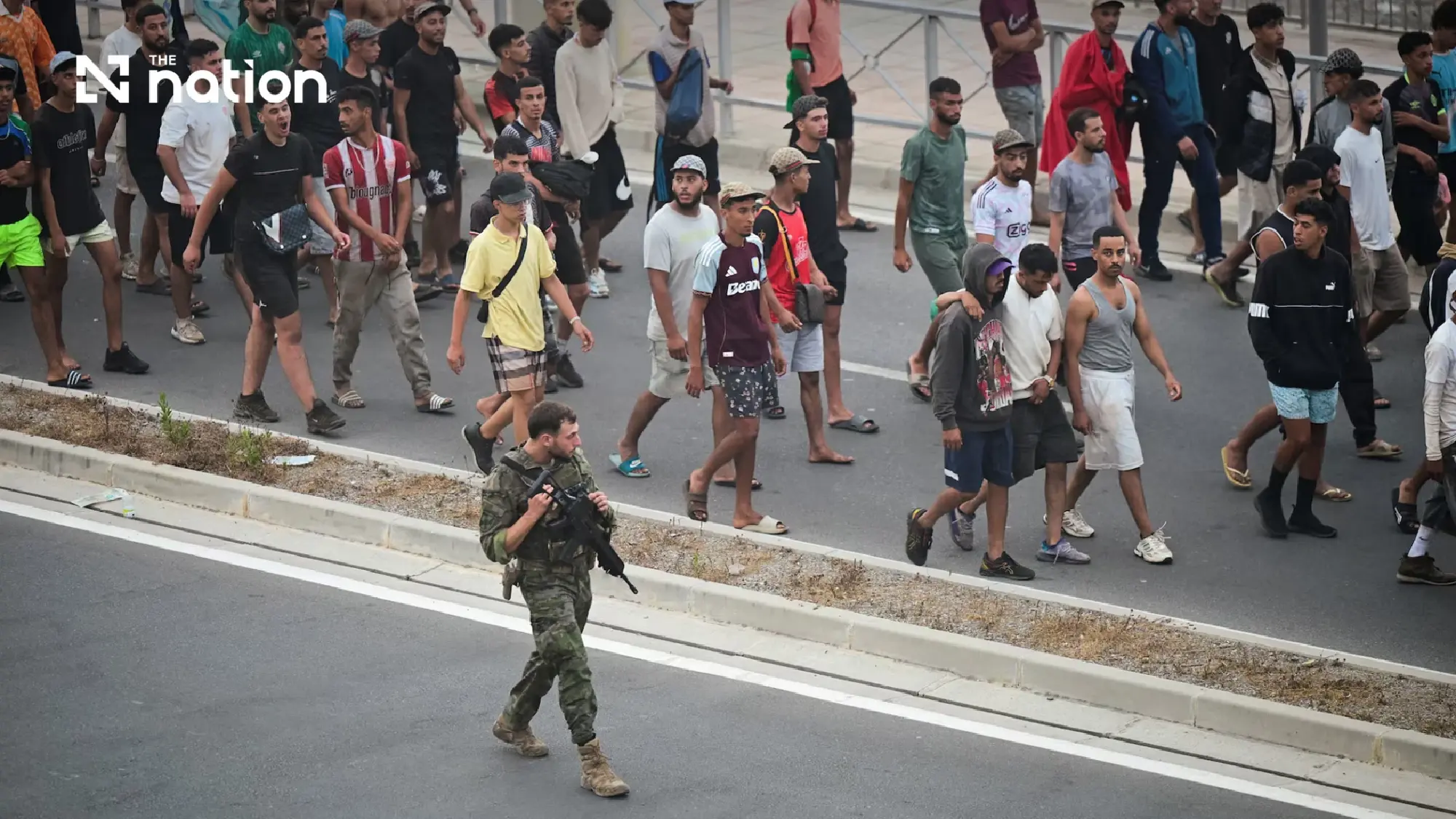

Sánchez Condemns Breach of Spanish Territory
Prime Minister Sánchez has characterized the mass crossing as “a violation of Spain’s territorial integrity,” calling for the strongest condemnation of the events. This situation has reignited tensions between Spain and Morocco, with allegations surfacing that Moroccan authorities may have facilitated the movement of around 50,000 people towards Ceuta. Some migrants have claimed that Moroccan police encouraged their journey, further complicating the already fraught relationship between the two nations.
Morocco does not recognize Spanish sovereignty over Ceuta and Melilla, another Spanish enclave on the North African coast, labeling them as occupied territories. This sovereignty dispute has led some experts to speculate whether Moroccan authorities intentionally refrained from stopping the crossings, although no definitive evidence has been presented to support this claim.
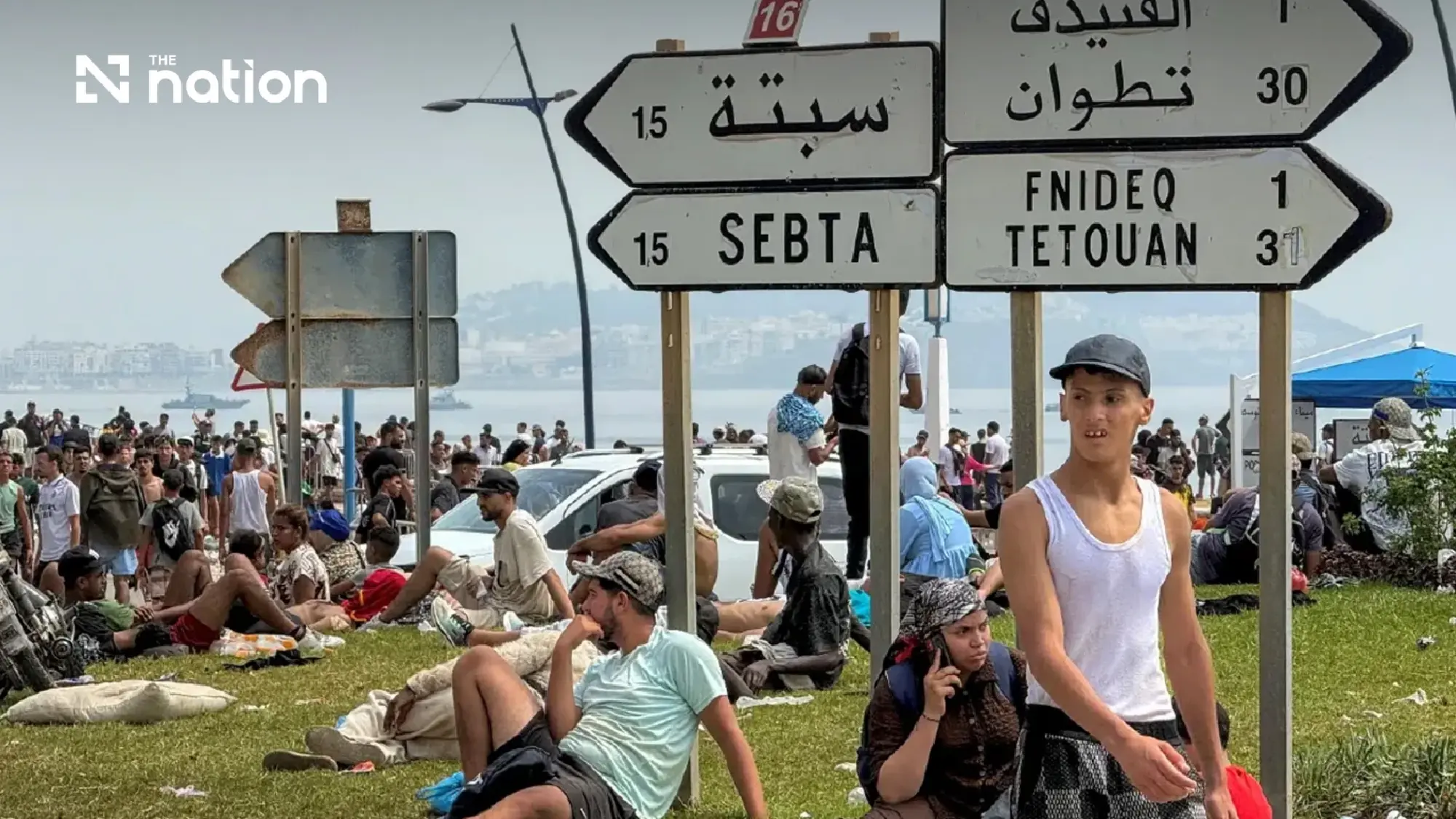

Spain Blames Misinformation Spread by Smugglers
The Spanish government has attributed the sudden influx of migrants partly to misleading information propagated by people-smuggling networks. Following a ruling by Spain’s Supreme Court, which stated that migrants intercepted at sea while attempting to enter Ceuta or Melilla could not be returned immediately to Morocco, smuggling networks misrepresented this ruling. They spread false claims suggesting that those who reached Ceuta would be allowed to stay.
Reports indicate that many migrants, including a Moroccan teenager who traveled for 12 hours, were influenced by social media content showcasing successful crossings into Ceuta. The Spanish government has emphasized that such distorted accounts have played a significant role in encouraging large numbers of people to undertake the perilous journey.
Crisis Prompts Border Checks and EU Divisions
The events unfolding in Ceuta have triggered a broader political dispute across Europe, with far-right leaders and politicians criticizing Sánchez’s migration policies. In response, a coalition of 22 European Union member states, led by Denmark and Italy, has called for an emergency meeting to discuss stricter measures against irregular migration.
Italy has threatened to suspend Schengen border-free travel arrangements with Spain, reinstating checks on some travelers arriving from Spain by air and sea. France has also implemented additional border checks with Spain. In the face of these pressures, Sánchez has rejected calls to suspend Spain from the Schengen Area, arguing that such demands are fueled by prejudice and misinformation. He insists that protecting Europe’s external borders is a shared responsibility that requires cooperation from all EU member states.


