The Decline of the Majorera Limpet: A Study from the University of La Laguna
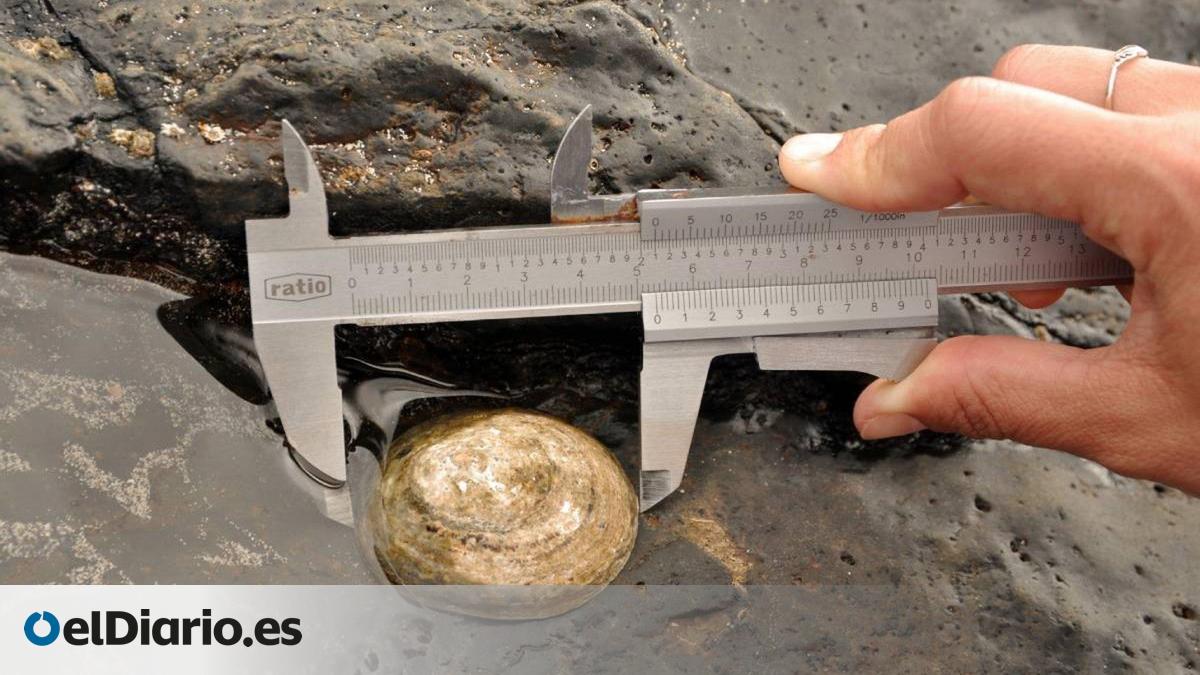
A recent study led by the University of La Laguna (ULL) has sounded the alarm about the severe decline of the majorera limpet (Patella candei), a species endemic to Fuerteventura and the Savage Islands of Madeira. This research shows that this unique mollusk has nearly vanished from the entire coastline of Fuerteventura and the nearby Lobos Island, raising concerns about its potential extinction in the Canary Islands.
Current Survival Status
As of now, only a single relic population of majorera limpets remains, located in the southern region of Fuerteventura, specifically on the Jandía Peninsula. This dwindling number has sparked urgent concerns about the imminent threat to this species, according to the findings presented by ULL.
Publication Details
The comprehensive research has been published in the journal Aquatic Conservation: Marine and Freshwater Ecosystems by the Marine Communities and Conservation Ecology (ECOMAR) research group at ULL. The study forms a significant part of Marina Aliende Hernández’s doctoral thesis, directed by researchers José Carlos Hernández and Beatriz Alfonso, with contributions from honorary professor Jorge Núñez, who first sampled this species back in 1994.
Insufficiency of Conservation Efforts
The majorera limpet is recognized as an emblematic species of the Canary Islands, inhabiting intertidal zones. Due to its exposure during low tides, it becomes highly vulnerable to harvesting pressure, which remains its primary threat.
Surprisingly, despite the implementation of a recovery plan in 2015 (Decree 161/2015, BOC 136) that established priority conservation areas plus a total ban on harvesting, the research illustrates that the limpet’s condition has not improved when compared to historical data from previous decades.
Urgent Need for New Strategies
This scenario underscores an urgent need for heightened attention and the development of new strategies to protect this species, according to ULL. Notably, the Jandía area, where the majorera limpet still exists, experiences strong wave action throughout the year, potentially complicating illegal harvesting efforts by limiting coastal access.
Environmental Factors at Play
To investigate the environmental factors influencing the species, the research team assessed oceanographic variables across Fuerteventura. They explored the relationship between rising air and sea temperatures and the decline of the mollusk population. Although the authors indicate that dedicated thermal stress experiments are necessary for conclusive evidence, analyzed climatic data suggest that trends in warming over recent decades may also negatively affect the limpet’s precarious situation.
Vulnerability in Numbers
Limpets are particularly susceptible when their populations sharply decline. Being externally fertilizing organisms, they rely on having a large number of mature individuals in proximity to ensure reproductive success and population viability.
Recommendations for Conservation Action
The study concludes with a focused recommendation for future conservation efforts: exploring the laboratory cultivation of majorera limpets, followed by their reintroduction into their natural habitats. Special attention should be given to areas with oceanographic conditions akin to those of the Jandía Peninsula, the final bastion of the majorera limpet.
This engaging and informative study sheds light not only on the challenges facing the majorera limpet but also on the broader implications for biodiversity and conservation in the delicate ecosystems of the Canary Islands. By addressing these vital issues, researchers and conservationists work against time to protect this unique species from vanishing altogether.