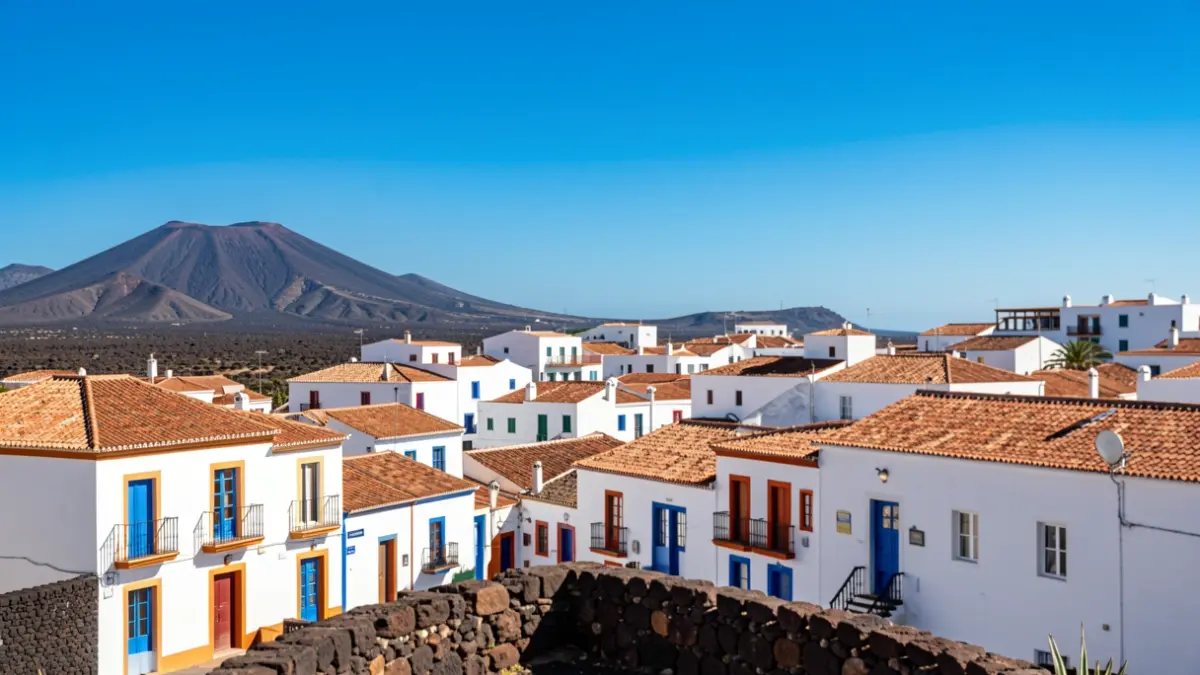
The Digital Landscape of Puerto del Rosario: A Case Study in Virality
Introduction to the Incident
On July 17th, a video by content creator Karin Herrero sparked a whirlwind of interest around Puerto del Rosario, the capital of Fuerteventura, Spain. The video presented a controversial perspective that drew massive engagement on social media, particularly on platforms like TikTok and Instagram. However, what transpired afterward reveals much about the landscape of digital reputation, geography, and the unintended consequences of viral content.
Geographic Insights
Curiously, a country-specific analysis revealed that on July 22nd, the date of increased online searches, there was no significant interest in Puerto del Rosario from locals in the Canary Islands. Instead, it was mainland Spain that showed heightened interest, driven largely by external curiosity. The incident predominantly resonated within Spanish social circles, as neither the United Kingdom nor Germany—two of the island’s largest tourist markets—exhibited any noteworthy online activity regarding the event.
The Ripple Effect of the Video
Herrero’s content initially garnered modest reactions: around 24,200 and 19,800 interactions on TikTok and Instagram respectively. However, the response to the official communication addressing the controversy posted just five days later was monumental, racking up 509,000 interactions on TikTok and 52,900 on Instagram. This stark difference of more than 21 times indicates that the audience was more captivated by the fallout of the video rather than the content itself. Comments from viewers illuminated the underlying issue: interest was less about the portrayal of Puerto del Rosario and more about the clash between a content creator and local governance.
Traffic Surge in Local Websites
The impact was not confined to social media. Unofficial analytics suggested that various local sites related to Puerto del Rosario experienced traffic surges of up to sixty times their usual volume. The local government’s website, the tourism page for Puerto del Rosario, and island media outlets saw spikes of over 6,000 visits in just one day. This pointed to a practical manifestation of curiosity, where individuals transitioned from mere online searches to engaging with local resources. The uptick in visits to the tourism website suggested that some visitors were considering Puerto del Rosario as a travel destination, albeit without a clear strategy from the local government to capitalize on this interest.
The Streisand Effect and Its Implications
The phenomenon observed can be traced back to what is known as the Streisand Effect, where attempts to suppress information inadvertently bring it into the spotlight. A study published by Stanford and Wharton highlighted how negative publicity can cripple well-known brands while benefiting lesser-known entities—often resulting in a substantial increase in their visibility.
In the context of Puerto del Rosario, it became apparent that the true risk was not negative coverage but rather a lack of engagement or conversation about the capital. The data evidently showcased an increase in notoriety; however, the severity of the circumstances driven by negative sentiment did not penetrate the broader public consciousness.
The Institutional Response
The institutional outrage following Herrero’s video achieved what much marketing had failed to do—placing Puerto del Rosario firmly in the mental map of many in mainland Spain for an entire week, without any financial investment. Yet, what lay beneath this heightened visibility was a stark reality: there were no pre-established campaigns or narratives ready to convert this newfound curiosity into tangible tourism or engagement.
Instead of leveraging the opportunity, local representatives found themselves embroiled in defending their city against a misrepresented image rather than highlighting its qualities and attractions. In a span of ten days, engagement metrics for the city reverted to their original state, portraying a missed opportunity rather than a damaging fallout.
The Creator’s Responsibility
While it’s important to recognize the missteps of the institutional response, the content creator’s role cannot be overlooked. Utilizing harmful stereotypes, even for comedic effect, demonstrates a lack of sensitivity to the community from which one hails. However, the difference in responsibility lies in their respective roles: content creators thrive on provocation, while institutions are tasked with maintaining composure and addressing issues with strategic acumen. In this case, the response from local authorities ended up overshadowing the original controversy.
Remaining Questions and Future Implications
While the metrics provided a snapshot of a fleeting interest, they do have their limitations. The views represented on Herrero’s social media accounts are not definitive indicators of the virality of the content, nor do they equate to tourist interest or increased visitation. The immediate spike in Puerto del Rosario’s Wikipedia entry does not correlate with any long-term impact; rather, it stemmed from other unrelated events.
The crux of the matter remains that this incident did not ignite a genuine interest in Puerto del Rosario as a destination; instead, the city found itself discussed only as a reaction to Herrero’s video.
Final Thoughts
This case illuminates the complexity of navigating digital reputations, where the interplay of content creation and institutional response can yield unexpected results. In a landscape continually shaped by online narratives, understanding how to harness virality—while managing a cohesive and positive image—remains an essential challenge. The true potential of such opportunities lies not in reactive measures but rather in proactive strategies that highlight the unique charm and vibrancy of locations like Puerto del Rosario.