Impacts of Airseat Reductions on Tourism in Fuerteventura: A Sustainable Shift
A Temporary Shift, Not a Decline in Interest
This summer, Fuerteventura will see a 6% reduction in air seats from Germany, and an overall drop of 8.6% in flights to the Canary Islands. However, it is vital to understand that this decrease isn’t a reflection of waning interest in the beautiful island. Instead, it stems from operational considerations as airlines undertake a significant fleet renewal. This initiative aims to incorporate aircraft that emit less CO2, aligning with European guidelines and goals for environmental sustainability.
Insights from the ITB Berlin 2026
This topic was brought to light during the ITB Berlin 2026, where the Patronato de Turismo del Cabildo de Fuerteventura presented a comprehensive overview of the situation. The tourism board asserts that this temporary reduction in air capacity can serve a greater purpose. Once airlines complete their transition to more sustainable aircraft, the German market is expected to rebound with renewed vigor, ensuring compliance with stringent emission standards.
Fuerteventura’s Positioning as a Sustainable Destination
The Cabildo views this phase as an opportunity to reinforce Fuerteventura’s reputation as a sustainable travel destination. The airline fleet transformation aligns perfectly with the rising trend among German tourists toward eco-conscious travel. Marlene Figueroa, the island’s Tourism Counselor, emphasized that the German tourism sector is at the forefront of this sustainable movement.
“The German tourism sector is spearheading the movement towards more sustainable tourism, making it a conducive environment for implementing a tourist eco-tax in Fuerteventura,” she stated.
Introducing an Eco-Tax for Environmental Finance
Figueroa discusses the potential implementation of an eco-tax to fund environmental conservation and ongoing sustainability education in Fuerteventura. This proposal critiques the conventional approach to taxation by framing the eco-tax as a specific tool for financing targeted initiatives rather than a generic revenue-generating measure.
“The eco-tax is a financing tool, not a generic revenue collection measure. It aims to protect what makes Fuerteventura unique as a destination, ensuring the quality of life and the social and economic progress of our island,” she noted.
The Commitment to Sustainability at ITB Berlin 2026
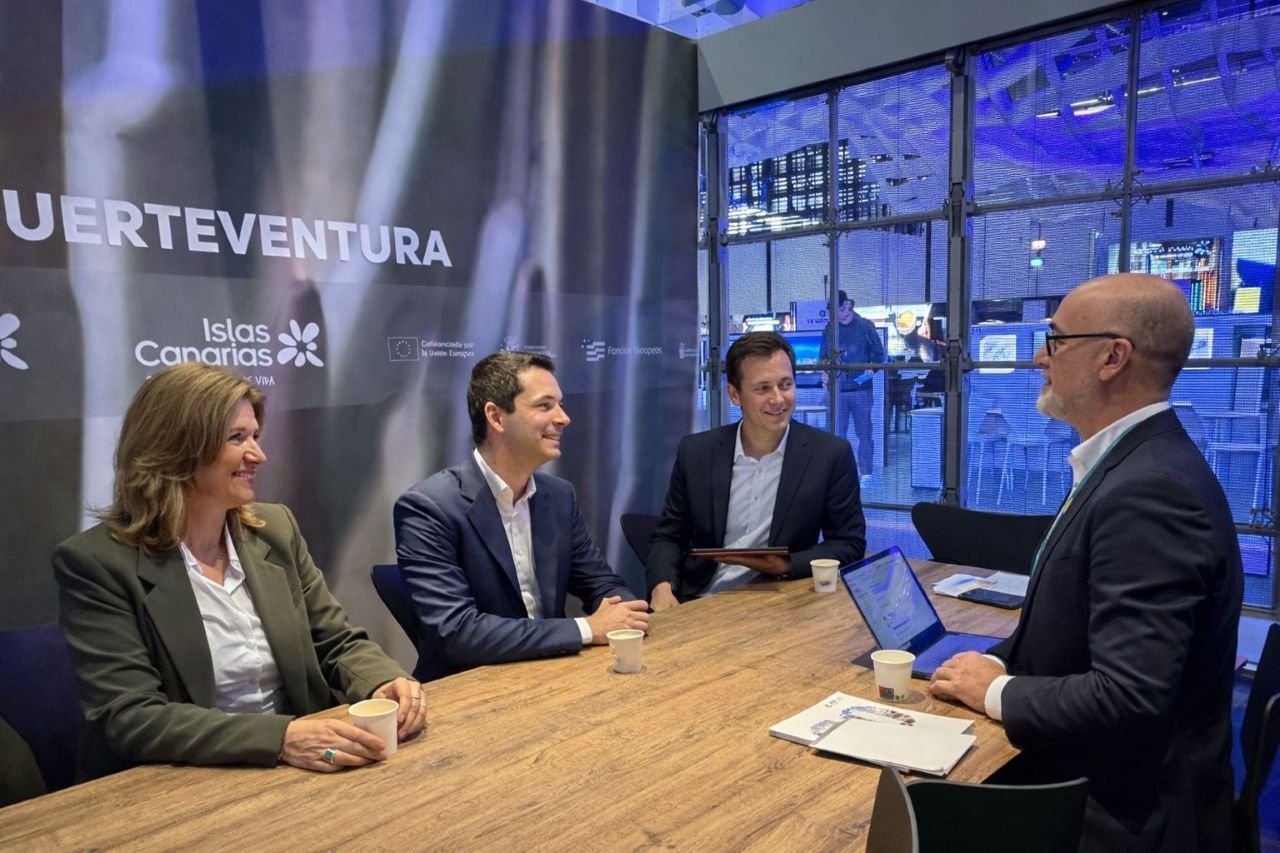
The Patronato de Turismo closed its participation in the trade fair with a strong commitment to sustainability values. Throughout the event, the Fuerteventura delegation engaged in various meetings with notable operators such as Fly Edelweiss and TLVG Tourismus Lifestyle, underlining the island’s proactive approach to tourism.
A series of meetings were also held with key stakeholders in the industry, including Jet2.com, Expedia Group, and TUI Group, among others. These interactions signify the island’s dedication to ensuring a sustainable future while maintaining and enhancing its attractiveness as a premier tourist destination.
Importance of the German Market to Fuerteventura
The German market represents a cornerstone of tourism in Fuerteventura, alongside the British market. In 2025 alone, the island welcomed 784,752 German travelers, with regular flights from major cities like Hamburg, Berlin, and Munich. This enduring relationship highlights the importance of retaining strong air connectivity even during transitions toward more sustainable travel solutions.
Adapting to Future Challenges
With the airline industry’s shift towards greener aviation, Fuerteventura is well-prepared to adapt and seize emerging opportunities. By focusing on eco-friendly tourism practices and innovative funding mechanisms like the proposed eco-tax, the island is taking active steps toward ensuring a sustainable and prosperous future for both its environment and its economy.