Modernization of Aircraft to Enhance Eco-Friendly Travel in Germany
The modernization process of aircraft within German airlines marks a significant step toward adhering to European guidelines for emission reduction. By upgrading their fleets, these airlines not only align with environmental regulations but also bolster the image of travel destinations committed to sustainability. As global awareness around climate issues grows, this shift in aviation is poised to contribute to a greener future in tourism.
Germany Takes the Lead in Sustainable Tourism
Marlene Figueroa, the Tourism Councillor of the Cabildo de Fuerteventura, recently highlighted Germany’s proactive role in advancing sustainable tourism. She pointed out that the modernization of aircraft will serve as a catalyst for conversations around the potential introduction of an ecotax on the island. This tax, according to Figueroa, would not merely serve as a revenue collection mechanism; rather, it aims to be a targeted tool designed to finance environmental conservation initiatives and sustainability education programs.
Purposeful Taxation for Environmental Protection
Figueroa emphasized that the proposed ecotax would be focused, with the intent to safeguard what makes Fuerteventura distinct as a tourist spot. “It is an instrument to protect our unique destination and ensure the quality of life for the local population,” she stated. This approach reflects a growing trend in tourism where the focus is not just on attracting visitors, but also on preserving the natural beauty and resources that make these locales appealing.
Temporary Seat Reductions Amid Fleet Renewal
Currently, German airlines are temporarily reducing their seating capacity to various destinations as they complete their fleet renewal process. Fuerteventura, for instance, is anticipating a 6% decline in available seats this summer. In the broader Canary Islands region, the reduction is projected at 8.6%. Though this may initially appear concerning for tourism, it is necessary for ensuring that the new, more efficient aircraft can operate at reduced emissions levels.
Future of Efficient Air Travel
Once this transition is complete, airlines will resume their activities with fleets equipped with more fuel-efficient technology and lower emissions. This change is likely to add significant value to tourist destinations that commit to sustainable travel practices. It’s a win-win for both the airlines and the locations they serve, as environmental considerations become increasingly important in travelers’ decision-making processes.
Fuerteventura’s Networking at ITB Berlin
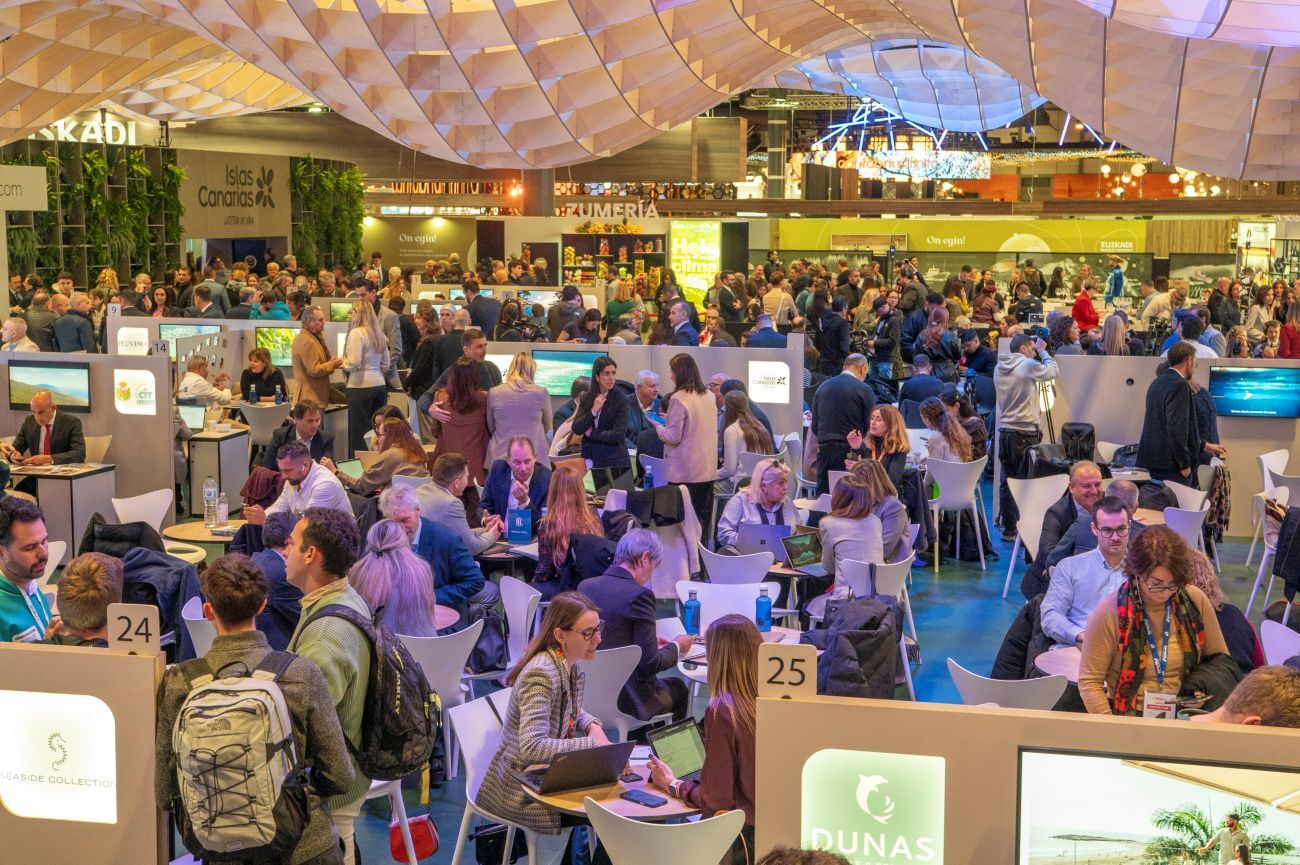
During the recent ITB Berlin, Fuerteventura’s delegation, led by the Tourism Board and involving key representatives from both institutional and business sectors, diligently engaged in meetings with international travel operators and agents. Building relationships in this context is crucial for promoting Fuerteventura as a leading eco-friendly destination.
Strategic Partnerships and Collaborations
Among the notable interactions were discussions with prominent travel sector representatives from Fly Edelweiss, Travel Diaries, and TLVG Tourismus Lifestyle. These connections are vital for Fuerteventura as it seeks to position itself optimally in the competitive market of sustainable tourism. Additionally, in the days prior, the delegation reached out to various airlines and operators including Jet2.com, Jet2holidays, and Expedia Group – all key players in the global travel landscape.
The Vital Role of the German Market
The German market continues to be a linchpin for tourism in both the Canary Islands and Fuerteventura. In 2025 alone, Fuerteventura welcomed roughly 784,752 passengers arriving from Germany, supported by regular flights from major cities like Hamburg, Berlin, Düsseldorf, Frankfurt, Stuttgart, Munich, and Cologne. This influx underscores the importance of maintaining strong ties with German travelers as they continue to seek sustainable options for their vacations.
With a keen focus on modernization and sustainability, Germany is setting a commendable standard in the aviation sector that not only puts the environment first but also enhances the tourist experience. As conversations about eco-friendly practices grow, destinations like Fuerteventura are shaping a promising future where conservation and travel go hand in hand.