Empowering Entrepreneurs in Fuerteventura’s Booming Economy
Local initiatives are paving the way for a new wave of business innovation and growth.
Fuerteventura is not just a sun-soaked paradise; it is also becoming an increasingly attractive hub for entrepreneurs seeking to establish their ventures. With a unique blend of charm and opportunity, the island is actively cultivating an environment where startups can thrive. Recent initiatives aimed at enhancing resources for local businesses are proving that Fuerteventura is serious about fostering innovation and sustainability.
Key players in the local government and the business community are demonstrating a commitment to nurturing entrepreneurship through a variety of support programs. These initiatives range from financial incentives to workshops designed to equip aspiring business owners with essential skills. The focus is not solely on technology startups; local crafts, sustainable tourism, and wellness industries are equally emphasized, opening doors for diverse talent and ideas. As a result, not only are new jobs being created, but the island’s economy is also diversifying, which is crucial for long-term stability and growth.
Additionally, collaboration is becoming a hallmark of Fuerteventura’s business landscape. Networking events and partnerships are fostering community among entrepreneurs, allowing them to share resources and cross-promote their offerings. This culture of cooperation is vital as it encourages a thriving entrepreneurial ecosystem, ultimately benefitting the broader community. With its fantastic geographic location and a supportive local climate, Fuerteventura is positioning itself as a formidable player in the market for innovative startups.
Source: Gobierno de Canarias
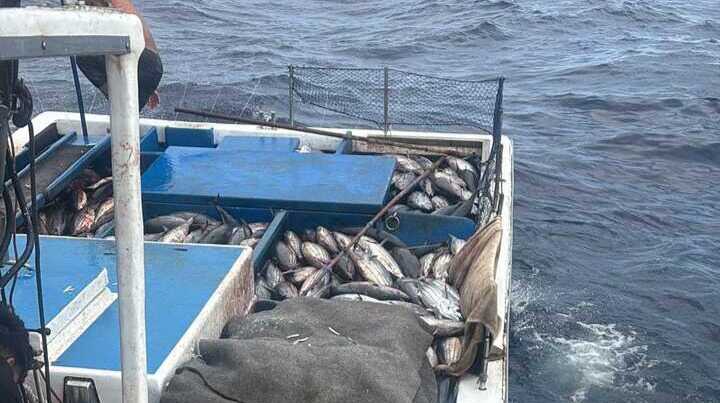
Assembly Majorera-Canarian Coalition has shown its support for the Canarian artisanal fishing sector in the face of the rejection generated by the obligation to weigh catches on board vessels, a measure derived from European regulations. From the political formation they consider that this regulation does not adapt to the daily reality of artisanal fishing in the Canary Islands and request that it be reviewed to take into account the particularities of the Archipelago fleet. The regulations establish the obligation to weigh catches during slaughter with a limited margin of tolerance. As explained by AM-CC, if the estimated weight at sea does not subsequently coincide with that recorded on the port scale, professionals may face financial penalties. The organization points out that the tolerance margin currently set by European regulations is 10%, a percentage that they consider “excessively restrictive” for the work carried out by the artisanal fleet. From AM-CC Fuerteventura they maintain that many of these differences are produced by simple estimation errors during fishing activity and not by fraudulent practices or illegal fishing. The political formation also echoes the criticism of the sector regarding other administrative and digital requirements, such as mandatory advance notice systems for arrival at port, which they consider difficult to apply in the context of Canarian inshore fishing. In this sense, they remember that the Canary Islands are considered an outermost region within the European Union and they defend that their specific conditions should be taken into account when applying this type of regulations. AM-CC considers that the current demands reflect a lack of knowledge of the real conditions in which Canarian artisanal fishing works, especially in small boats where, according to what they say, it is difficult to stop the activity to classify and weigh the catches without affecting the pace of work and safety. The training also highlights that modalities such as artisanal tuna fishing are developed under sustainable and traditional criteria, based on selective captures and manual activity. For this reason, the sector demands that possible differences detected in weighing once in port can be corrected without automatically leading to financial penalties. The Assembly Majorera-Canarian Coalition finally reiterated their support for Canarian artisanal fishing, defending the need to have “fairer and more adapted” regulations to the reality of the sector in the Islands.
Originally reported by www.lavozdefuerteventura.com, rewritten by the Fuerteventura Times AI Editorial Desk.