Celebrating Goat Excellence at the Fuerteventura Agricultural Fair
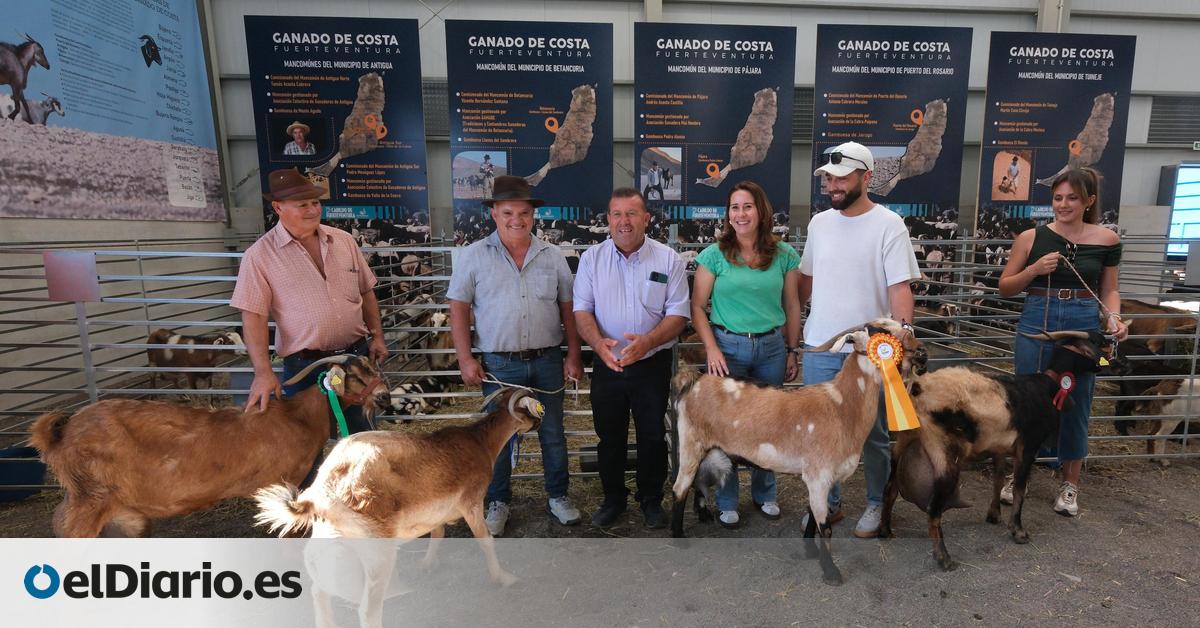
In the picturesque landscape of Villaverde, a goat owned by Blas Gregorio Alonso has garnered top honors at the recently held second Morphological Valuation Contest for adult goats. This contest is part of the esteemed Agricultural, Livestock, and Fishing Fair of Fuerteventura (Feaga), which is celebrated annually for showcasing the island’s agricultural heritage and livestock prowess.
The Winners of the Contest
The contest was not without notable contenders. Following Alonso’s champion goat, the second place was claimed by Julián Pérez’s goat from Rosa de la Madera, while Pablo Rodríguez from Tesejerague and María Belén Ramírez from Lajares secured the third and fourth places respectively. The event highlighted the competitive spirit and high standards of goat breeding in the region, emphasizing the skill and dedication of local farmers and breeders.
Judging Criteria
During the competition, judges evaluated various morphological aspects of the goats, alongside their health status. Morphological evaluation includes examining the physical traits of the goats, such as size, structure, and overall appearance, which are vital indicators of the animal’s health and breed quality. This rigorous assessment ensures that only the best animals are recognized in such prestigious contests.
Recognition of Contributions
The award ceremony drew attention not only to the winners but also to the hard work and dedication of many individuals involved in the goat breeding community. Present at the ceremony were key figures such as Lola García, the President of the Cabildo of Fuerteventura, and Matías Peña, the Councilor of Agriculture, Livestock, and Fishing. Their participation underscores the importance of local governance in supporting and promoting agricultural traditions.
Community Collaboration
Moreover, the event highlighted the collaborative efforts of the National Federation of Goat Breed Associations (Fecama) in the conservation of goat breeds and the expertise provided by veterinarians from the University of Las Palmas de Gran Canaria. Their involvement in the contests within the Feaga framework is crucial for enhancing the knowledge and standards of goat breeding in the region. This partnership demonstrates how academic institutions can contribute significantly to practical applications within local agricultural practices.
By focusing on quality and health, these contests not only enhance the reputation of goat farming in Fuerteventura but also support community engagement and education in sustainable agricultural practices. The enthusiastic participation from breeders and local authorities alike reflects a shared commitment to preserving agricultural heritage and advancing livestock quality.
Through events like these, the rich tapestry of Fuerteventura’s agricultural landscape continues to thrive, celebrating tradition while fostering innovation in animal husbandry.