Embracing Change: The Rise of Digital Nomads in Fuerteventura
During the COVID-19 pandemic, Surfing Colors Hotel in Corralejo made the bold decision to keep its doors open, diverging from the conventional path taken by many hotels during this challenging period. Rather than shutting down, this establishment pivoted towards attracting a segment of tourism gaining momentum across Europe: digital nomads and remote workers. This decision proved to be a game-changer, setting a precedent that has since been replicated by other hotels around the island.
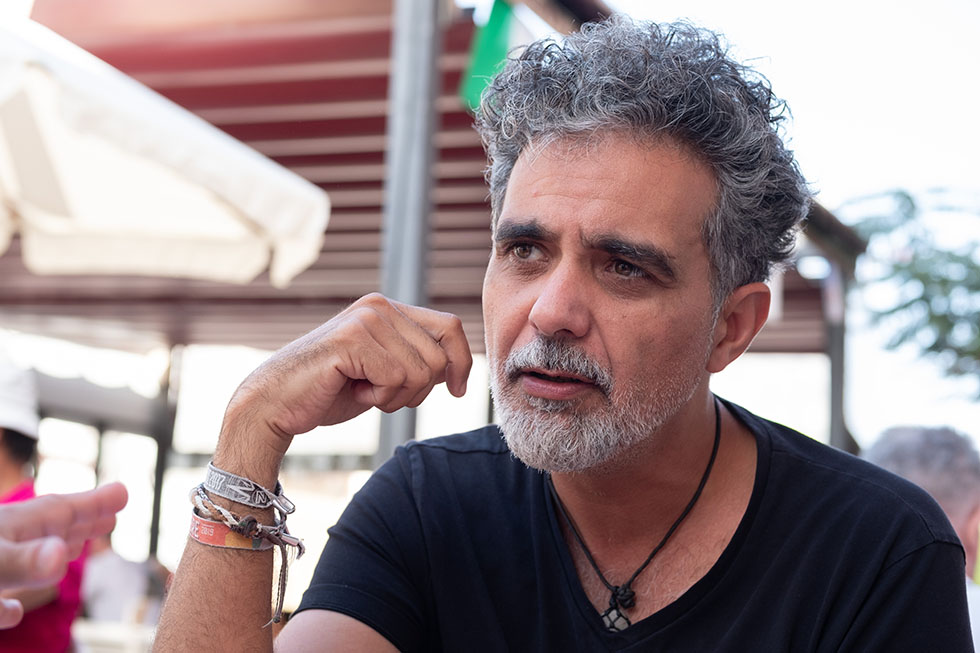
Currently, Surfing Colors boasts 200 beds, 35 of which have been transformed into a unique coliving space named Coliving and Surfing. Diego Gaspar Gómez, the hotel’s marketing expert, recognizes the potential this new form of tourism holds for Fuerteventura. He articulates, “It’s a kind of tourism that can contribute significantly to the island, bringing enormous talent that we can leverage for various developments here.”
Understanding the Digital Nomad vs. Remote Worker
As the terminology surrounding this new wave of tourism captures attention in the Canary Islands, many find themselves asking about the differences between digital nomads and remote workers. Gaspar Gómez draws a clear line between the two: digital nomads are typically single individuals aged 20 to 30 who embrace a philosophy of globetrotting while working in online marketing. In contrast, remote workers, mostly between 30 and 40, are employed by companies that allow them to work remotely for a portion of the year, typically three months, within Europe. Positions in cities like Berlin have become accommodating towards giving employees this flexibility.
Who Are the Digital Nomads in Fuerteventura?
Since the establishment of the Coliving and Surfing space in September 2021, a diverse mix of professionals has found their way to Fuerteventura, with a significant portion coming from Northern Europe, particularly Germany and England. This influx includes many remote workers with distinct needs. As Gómez elaborates, this demographic is broader and more diverse, including families, couples, and even pet owners. Notably, many newcomers here earn an average salary of 80,000 euros annually, often working as programmers or for successful startups—commonly known as unicorns.
Average Stay Duration
The length of stay for these remote workers typically spans from one month to a month and a half. While some choose to extend their stay for up to three months, others may only spend two weeks on the island.
Turbulence in Tourism: Is the Digital Nomad Trend Sustainable?
Initially seen as a lifeline for Fuerteventura’s hotel industry during the pandemic, the sustained interest in digital nomads raises questions about its longevity. According to Gómez, the return of traditional tour operators has led to a stagnation in this newer form of tourism. Yet, he remains optimistic: “Last year, we welcomed 45,000 digital nomads to the Canary Islands, and I believe we might double that number soon. It’s particularly consolidated in Corralejo, which has long attracted surf enthusiasts.”
Despite the challenges, the Surfing Colors Hotel is already eyeing expansion plans for additional locations and has even launched a consultancy named Innremote to assist other establishments eager to adapt to this emerging clientele.
Preparing Fuerteventura for Growth
Gómez highlights an essential component for the future success of Fuerteventura—robust infrastructure. He points out that neither Fuerteventura nor the broader Canary Islands are adequately prepared for a significant surge in digital nomad tourism. “Until we have reliable internet and suitable workspaces, attracting these individuals will be a challenge,” he insists.
This tourism sector holds promise, as it draws individuals looking to invest in the local community rather than seeking out disposable experiences. However, Gómez warns about potential repercussions, such as rising prices and the temporary nature of some offerings. He emphasizes the importance of reframing the narrative surrounding incoming professionals, seeing them as community assets rather than mere economic burdens.
Impact of Digital Nomads on Local Identity
Concerns about gentrification often emerge alongside the rise of remote workers. Drawing insights from cities like Berlin, Gómez notes that it’s essential to view this evolution not just as a loss of local identity but also as a chance for new forms of community to flourish. By engaging talented individuals in local issues, such as resource scarcity and socioeconomic challenges, solutions can emerge that benefit both visitors and residents.
Preparing Hotels for a New Tourism Model
For hotels looking to embrace this new type of clientele, Gómez has clear recommendations. Providing comfortable workspaces with reliable internet, silent environments, and adequate meeting rooms is paramount. Additionally, having a community manager on-site can help bridge gaps and foster connections among guests. “If hotels don’t adapt to meet these needs, people will turn to alternatives like Airbnb,” he warns.
Fuerteventura’s Vision: Moving Forward
Gómez believes that Fuerteventura must address infrastructure needs, especially regarding reliable Wi-Fi and work-friendly environments. Engaging local businesses to encourage them to cater to this growing market will be key to future success.
As the conversation surrounding the impact of remote workers on the housing market evolves, Gómez is clear: attributing price increases solely to digital nomads overlooks broader societal issues. He stresses, “The housing situation is a multifaceted problem that requires serious attention beyond just blaming one segment of the population.”
Even with the return of traditional tourism, there remains a question about the future focus on attracting digital nomads. “While there’s a continuing investment in this area across the Canary Islands, Fuerteventura seems to have overlooked a significant opportunity. This kind of tourist wishes to become a part of the island, and understanding their unique needs can lead to mutual benefits.”
Conclusion Unwritten: The Future Awaits
The dialogue surrounding digital nomadism and remote work represents a dynamic intersection of tourism, technology, and community engagement. With foresight and preparation, the potential for developing Fuerteventura as a prime destination for digital professionals is ripe for exploration and realization. Whether through the creation of robust infrastructures, community involvement, or innovative experiences, Fuerteventura stands at a pivotal crossroads where action today can shape the narrative of tomorrow.