The Shift of Power in Iran: Implications for Europe and Spain
The political landscape in Iran underwent a seismic shift in 2026 with the rise of Mohtaba Jameneya as the new leader. This change has not only reshaped domestic policies but has also sent ripples across Europe, particularly affecting Spain. Jameneya, who has emerged as both a religious authority and a savvy businessman, possesses a remarkable portfolio of elite real estate assets scattered across Europe, including luxury hotels, resorts, and opulent mansions.
A Glimpse into Jameneya’s Wealth
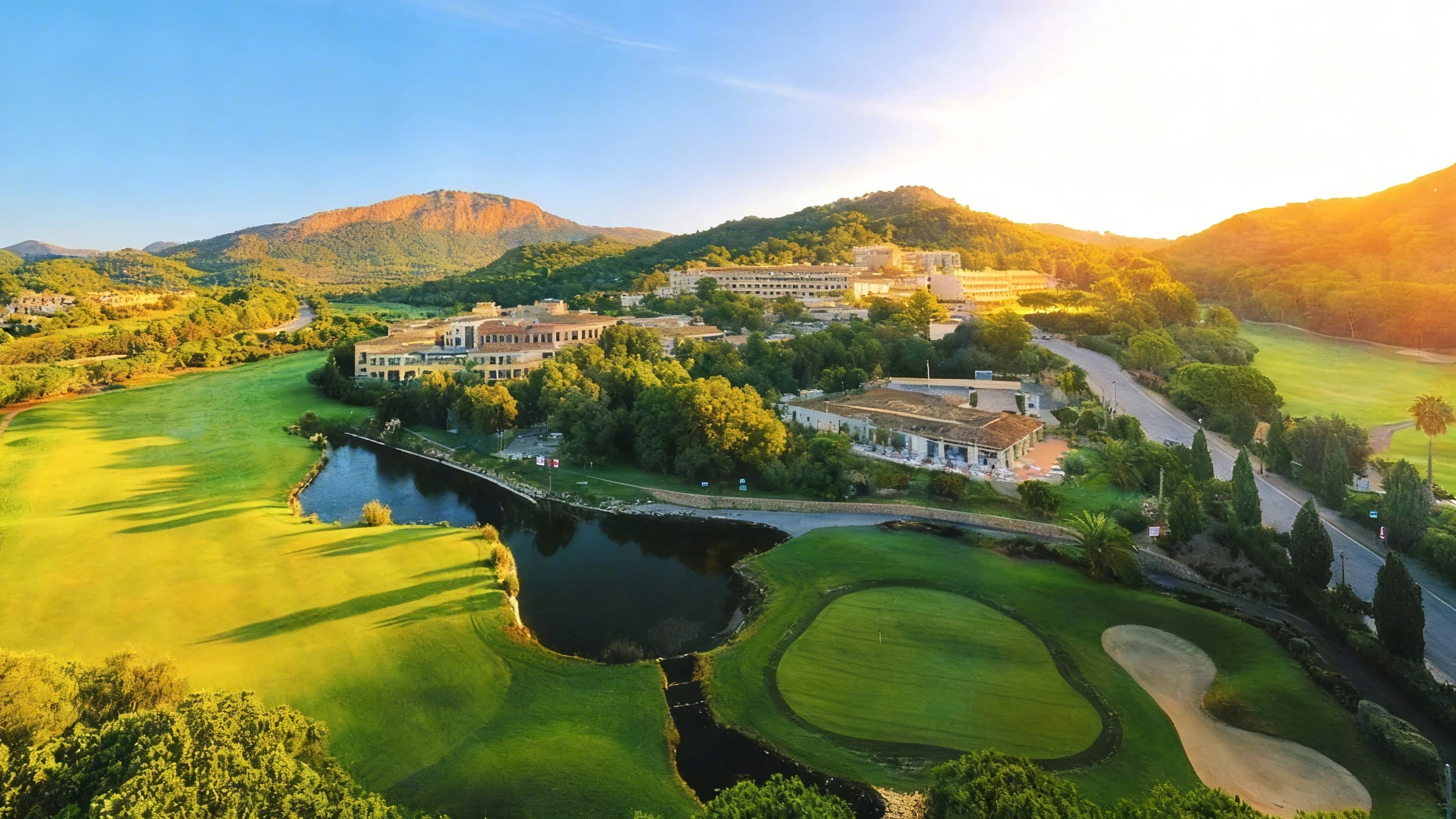
According to reports from russpain.com, Jameneya’s real estate holdings are extensive and strategically located in key European capitals and the picturesque Balearic Islands. Among these properties, the Steinberg Golf & Spa Resort in Mallorca stands out, valued at approximately 22 million euros. Investigations reveal that this resort is managed through a network of companies closely linked to Jameneya’s confidant, Ali Ansari. This connection raises eyebrows, especially given that Ansari is under scrutiny for his role as a key intermediary between Iran’s elite and the European real estate market.
The European Trail of Assets
In London, the focus has shifted to the luxurious mansions on Bishops Avenue, known as one of the most affluent streets in the country. Bloomberg reports that properties worth over 70 million euros have been acquired through a company named Smart Global Limited. Similar patterns have emerged in Germany, where two Hilton hotels in Frankfurt and the Bero Oberhausen shopping center were purchased through corporate structures based in the Netherlands. Collectively, Jameneya’s European assets are estimated to be worth around 400 million euros.
Spanish experts have pointed out that these investments serve dual purposes: generating income and exerting influence over European markets. Amid ongoing sanctions and Iran’s political isolation, these financial maneuvers allow the Iranian elite to maintain access to capital and safeguard their interests abroad. Interestingly, official documents often obscure direct references to Khamenei, with assets registered under trusted associates and affiliated companies.
The Impact of Sanctions and Ongoing Investigations
In 2025, British and European regulators intensified scrutiny over financial transactions linked to Iran. Ali Ansari, a pivotal figure in Jameneya’s financial network, faced sanctions for allegedly funding entities associated with the Islamic Revolutionary Guard Corps (IRGC). His assets in London, valued at 140 million euros, were frozen. Despite these allegations, Ansari publicly denies any ties to Khamenei, asserting that his business operations are politically neutral.
In Spain, the situation remains precarious. Some properties associated with Khamenei’s circle continue to operate profitably, and Spanish authorities have yet to implement stringent measures. However, pressure from the EU and the US is mounting, prompting concerns that similar schemes may be employed by other members of the Iranian elite to circumvent sanctions and legitimize their funds.
The Tourism Business: A Strategic Focus
Jameneya’s portfolio places a significant emphasis on properties in tourist hotspots. Beyond Mallorca, he has expanded his interests to the Alps, acquiring the luxurious Schlosshotel Kitzbühel. In Germany, his ownership of two Hilton hotels and a major shopping center further underscores his commitment to the tourism sector. These investments not only promise a steady income stream but also grant him considerable influence over the development of tourism infrastructure across Europe.
Experts caution that these investments could soon attract further investigations, especially if links to money laundering or sanctions evasion are established. The challenge for European authorities lies in untangling the increasingly complex and opaque ownership structures that shield the ultimate beneficiaries of these assets.
Jameneya: A Controversial Figure
Mohtaba Jameneya is a polarizing figure, both within Iran and on the international stage. His ascent to power was bolstered by the younger faction of the IRGC and strong ties to economic elites. In recent years, he has adeptly consolidated his influence, leveraging both religious authority and financial acumen. This mirrors trends observed in the early 2020s, when several Middle Eastern leaders sought to legitimize their assets through European investments. While past investigations led to high-profile arrests and asset freezes, the flow of capital remained resilient. Today, as history seems to repeat itself, the complexity of the schemes and the unpredictability of the consequences present new challenges for European authorities.