The Legacy of Josefa Acosta Rodríguez: A Call for Recognition
A Tribute to Fefita
Josefa Acosta Rodríguez, affectionately known as Fefita, was a treasured figure in the artisanal community of Betancuria, born in 1936 and having passed away on January 25, 2022. Her family is currently embroiled in a struggle to reclaim a significant award that was presented to her during the 33rd edition of the Insular Craft Fair, a prominent event celebrated for honoring local artisans. The award, intended as a tribute to Fefita’s contributions over the years, was controversially withheld due to a missing signature—a matter that remains unresolved four years later.
A Mother’s Legacy
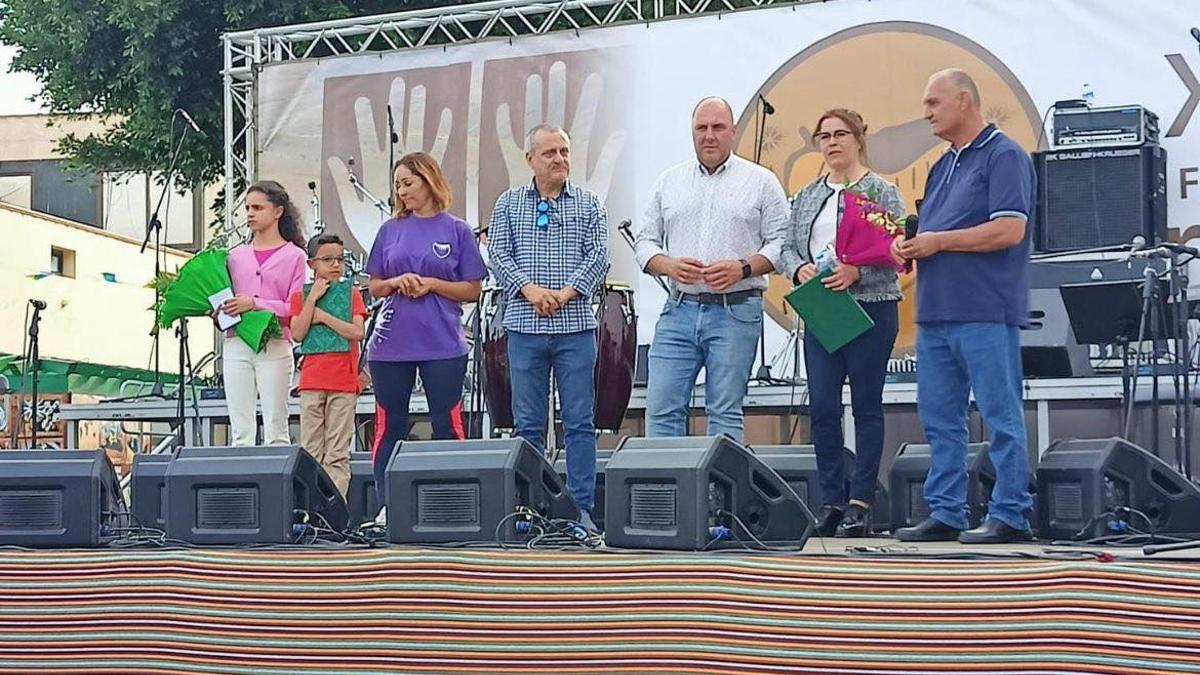
Fefita’s daughter, Salomé García, represented their family during a tribute to her mother on May 28, 2022. The gathering was a celebration of Fefita’s long-standing involvement in the craft fair, where she had been a vital participant from its inception until her passing. Present on stage were notable figures such as Sergio Lloret, the then-president of the Cabildo majorero, alongside municipal officials and members of the Mafasca collective, who presented Salomé with an award recognizing Fefita’s remarkable legacy. Additionally, the tribute honored fellow artisan Pedro Ravelo during the same event.
Struggling for Recognition
However, Fefita’s family has expressed frustration over the lack of responsiveness from the Ayuntamiento de Antigua and the Fundación Colectivo Mafasca regarding the award’s status. After years of waiting, they have publicly highlighted what they deem “institutional apathy.” Salomé García emphasized the personal loss they have experienced: “They have taken a part of our mother’s life away from us,” she stated, referring to the award, which included a collection of images of Fefita at various fairs—an album that held deep sentimental value for the family.
Personal Pain and Institutional Silence
Salomé also carries forward her mother’s legacy as an artisan in her own right at the Ecomuseo La Alcogida. She described the institution’s failure as a “mockery” of Fefita’s memory, stating that the disrespect shown toward her mother’s contributions to the world of pottery is incomprehensible. “We have been demanding the award since 2022, yet none has taken responsibility. We never wanted to go public with this issue, but we can’t allow them to ridicule Fefita Acosta and her family,” she asserted, visibly emotional during her conversation.
A Granddaughter’s Outcry
Emerging as a voice for the family’s plight, granddaughter Salomé Toledo took to social media to break the family’s silence. “I feel shame to reach this point,” she wrote. Toledo believed that without drawing public attention, change would not happen. Her cry summed up their sentiments: how could an official tribute devolve into a disgrace?
The Continuing Wait for Recognition
Despite repeated attempts to engage with the Ayuntamiento de Antigua and the Fundación Colectivo Mafasca over the past four years, the García Acosta family has received no acknowledgment or explanation regarding their situation. They remain hopeful for a response, explanation, or even an apology—simply asking for what rightfully belongs to them.
Fefita’s Enduring Memory
In the community of Betancuria, Fefita’s essence persists within each piece of pottery created, in the folk songs sung during family gatherings, and in the countless stories told about her life. She stands as a true master of pottery, embodying a cultural heritage that is celebrated by her family and the community alike. However, this fight against institutional neglect reflects the pain of a family still yearning for recognition amidst their love for their matriarch.
Cultural Preservation and Contention
The García Acosta family continues to hold onto the traditional and popular culture of Fuerteventura, contributing not only through their craftsmanship but also as musicians. Many from the family are known for their singing and performances at local gatherings, keeping alive the vibrant spirit of the island’s heritage. Their collective effort serves as a vital reminder of the cultural narratives that bind communities together, even in the face of bureaucratic indifference.