The Concerns of Lanzarote and Fuerteventura Over Renewable Energy Initiatives
On March 15, 2026, the Cabildos of Lanzarote and Fuerteventura jointly released a manifesto that unequivocally rejects the Government of Canarias’ proposed model for Renewable Acceleration Zones (ZAR). This initiative has raised alarms about the potential acceleration of large energy installations in rural areas, which could harm these islands’ unique landscapes and development models.
Strong Opposition from Local Leadership
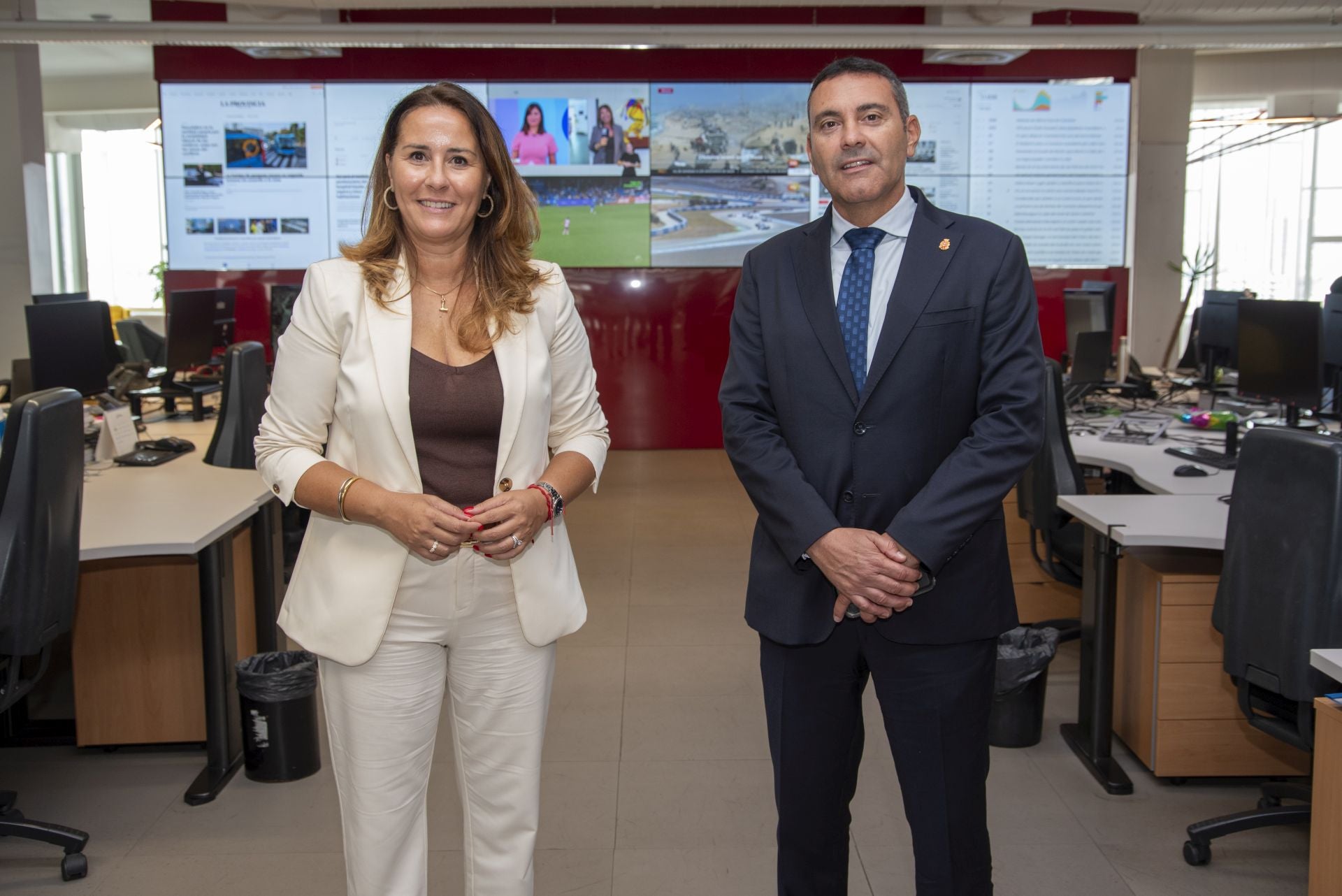
The manifesto was signed by Oswaldo Betancort, the president of the Cabildo de Lanzarote, and Lola García, the president of the Cabildo de Fuerteventura. Both leaders emphasize the necessity of a transition toward renewable energy that respects the ecological and cultural realities of their islands. They argue that the proposed ZAR initiative could disrupt the balance maintained historically between development and environmental preservation.
Community Concerns Over Proposed Energy Zones
The initial zoning maps released as part of this initiative have sparked growing concern among the residents of both islands. There is a belief that these plans could lead to an influx of large renewable energy facilities in sensitive areas, significantly disrupting the existing landscape. Many locals feel that such rapid implementation could threaten the identity and heritage that these islands have cultivated over generations.
The Incompatibility of ZAR with Local Values
The local leaders argue that the ZAR model, which promotes expedited administrative processes for large-scale renewable projects, is fundamentally at odds with the environmental and aesthetic considerations unique to Lanzarote and Fuerteventura. The islands have historically prioritized the preservation of their natural beauty and have built their identities around sustainable practices rather than extensive industrial development.
Calls for Restrictive Environmental Practices
In their manifesto, the Cabildos assert the need for any future renewable energy projects to adhere to strict environmental safeguards. They advocate for public ownership models or frameworks that ensure that profits remain within the islands, ultimately benefitting the local communities. By doing so, they aim to establish a framework that honors both energy needs and ecological responsibilities.
Government Decisions Raise Concerns
Both Cabildos express deep concern over a decision made by the Government of Canarias in January 2026, which eliminated environmental assessments for certain renewable energy projects in ZARs. The manifesto claims that this move represents a significant setback for environmental protections and could endanger sensitive landscapes.
Advocacy for Environmental Assessment Restorations
In light of these developments, the Cabildos are calling on the Parliament of Canarias to reinstate mandatory environmental evaluations for all renewable energy projects slated for these zones. They emphasize that such assessments are essential for ensuring that projects are thoroughly scrutinized for their ecological impact, thereby safeguarding the islands’ unique environments.
Demanding Local Governance in Energy Planning
The leadership of Lanzarote and Fuerteventura insists that local institutions must regain their decision-making powers in energy planning. They believe that the Cabildos should have the final say in approving any renewable energy initiatives on their islands. This local governance is seen as crucial to maintaining ecological integrity and aligning with the community’s desires.
Commitment to Sustainable Transition
Despite their opposition to the ZAR model, both Cabildos maintain a strong commitment to transitioning to renewable energy sources. They advocate for a path toward sustainability that respects the islands’ territorial, cultural, and social contexts. Their call for a collaborative dialogue with the Government of Canarias aims to foster a planning approach that encompasses the voices and needs of local citizens.
Final Thoughts
As the discourse surrounding renewable energy continues to evolve, the steadfast positions of Lanzarote and Fuerteventura’s leaders highlight the complexities involved in balancing ecological preservation with the urgent need for sustainable energy development. The call for dialogue and careful planning underlines a shared vision for a future where energy needs do not come at the expense of ecological and cultural integrity.
-kLmF-U2101634232676etF-1200x840@Canarias7.jpeg "A giant lizard from Gran Canaria on a farm in Lajares")
