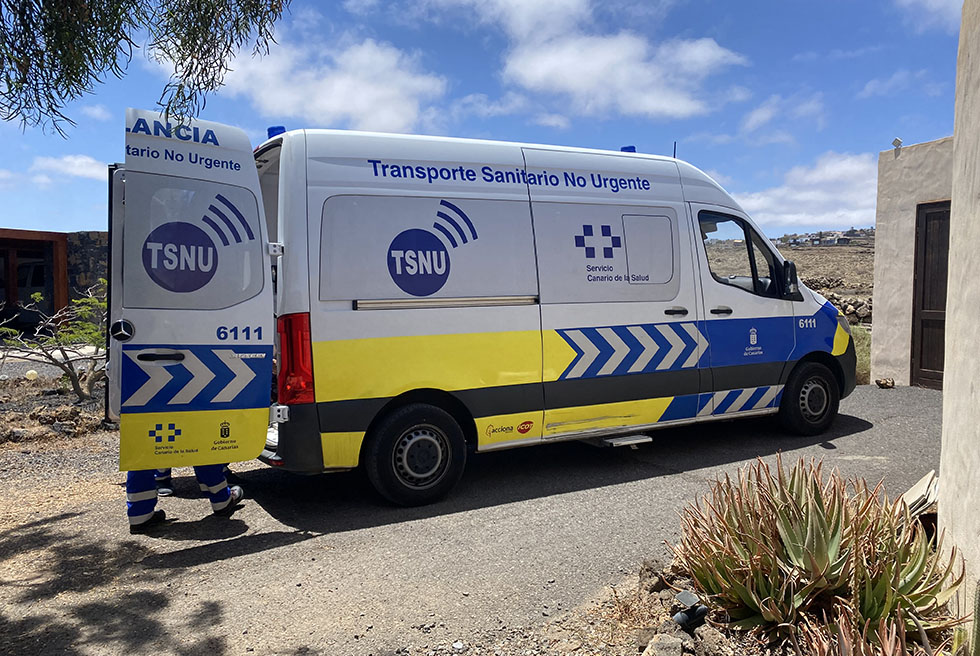
-kLmF-U2101634232676etF-1200x840@Canarias7.jpeg "A giant lizard from Gran Canaria on a farm in Lajares")
Discovery of Gran Canaria Giant Lizard in Fuerteventura
On February 25, 2024, the environmental authorities in Fuerteventura were alerted about an intriguing find—a Gran Canaria giant lizard—located on a private farm in Lajares, a village within the municipality of La Oliva. This surprising encounter unfolded when a local resident was inspecting his family garden for signs of plant damage. To his astonishment, he discovered the lizard caught in a trap he had set to identify the culprit responsible for the destruction.
The Giant Lizard: An Endemic Species
The Gran Canaria giant lizard (Gallotia stehlini) is an endemic species, uniquely native to its namesake island, Gran Canaria. Measuring 44 centimeters in length and weighing 117 grams, this reptile is a notable representative of the island’s rich biodiversity. With a primarily herbivorous diet, it plays a significant role in the ecosystem, particularly in seed dispersal. This ecological function is vital for the propagation of various plant species, underscoring the lizard’s importance in maintaining the island’s flora.
Immediate Care and Careful Evaluation
Following its discovery, the giant lizard was promptly transferred to the biological station in La Oliva, managed by RedEXO alongside Gesplan, the firm responsible for the service. There, specialists have initiated measures to monitor the lizard’s well-being, ensuring it receives proper care. Biologists are evaluating its condition before determining the next steps for its rehabilitation and eventual return to its natural habitat.
Returning Home: The Lizard’s Future
Once the necessary bureaucratic procedures are fulfilled, plans are in place to return the lizard to its home on Gran Canaria. The intricate process of reintroducing the animal to its original environment will be coordinated by RedEXO, which is dedicated to ensuring its safe transition back into the wild. This initiative not only highlights the commitment to wildlife preservation but also aims to prevent any potential ecological disruptions caused by the lizard’s presence outside its native island.
The Role of RedEXO in Conservation
The Canary Islands have an extensive network called RedEXOS, aimed at the early detection and management of invasive species. This organization plays a crucial role in safeguarding the local ecosystems by identifying, controlling, or eradicating new populations of such species to prevent their establishment or spread. The recent incident with the Gran Canaria giant lizard exemplifies the importance of vigilance and rapid response in protecting the island’s unique biodiversity.
Community Engagement for Wildlife Protection
In light of this discovery, the Cabildo has issued a call to action, urging citizens to report any sightings of species like the Gran Canaria giant lizard. Authorities recommend contacting emergency services at 112 if such creatures are encountered. Public awareness and engagement are vital for the conservation of native species and the prevention of ecological disturbances within the islands.
An Ecological Treasure
In conclusion, the Gran Canaria giant lizard is not just an intriguing sighting in Fuerteventura; it symbolizes the delicate balance of the region’s ecosystems. Through community efforts, conservation organizations, and quick responses to unusual occurrences, there’s hope for maintaining the unique wildlife that defines the Canary Islands. Each discovery serves as a reminder of the interconnectedness of species within their habitats and the responsibility we share to protect these natural wonders.

-kLmF-U2101634232676etF-1200x840@Canarias7.jpeg&description=A+giant+lizard+from+Gran+Canaria+on+a+farm+in+Lajares)