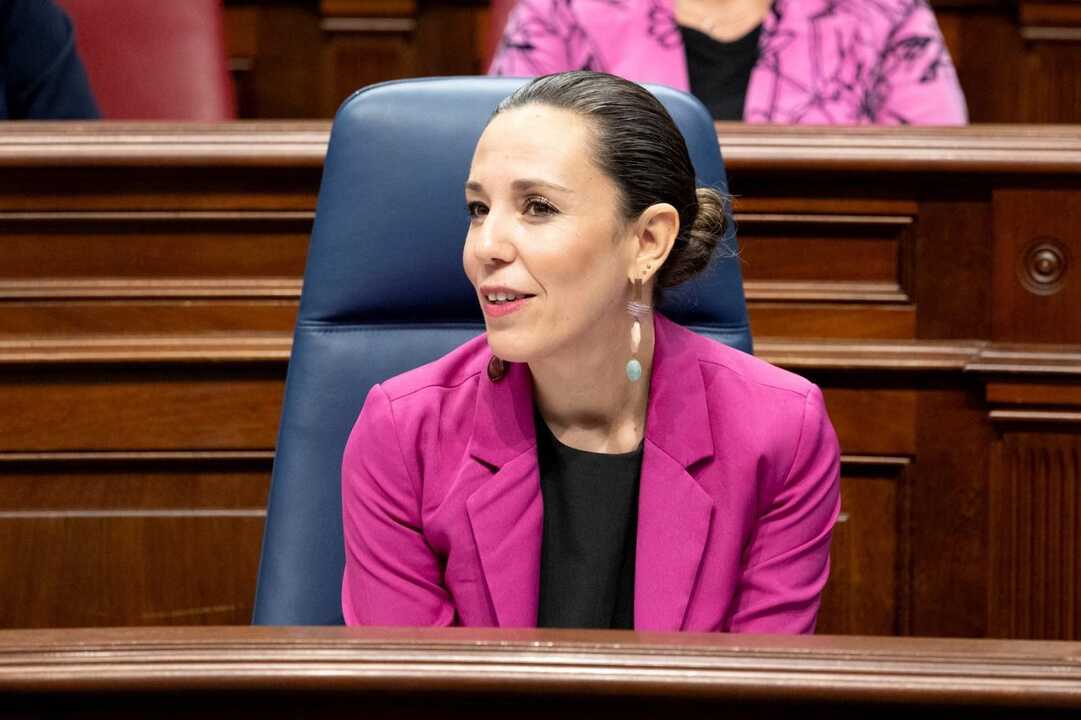
The New Tourism Regulation Bill in Canary Islands: Expected Changes and Improvements
As we approach the end of the year, a significant change is anticipated in the tourism landscape of the Canary Islands with the introduction of a new Regulatory Law for Tourism. This legislation aims to overhaul the existing structure around tourist housing and management, responding to the urgent needs of residents and the pressures of the burgeoning tourism industry.
Key Features of the New Law
One of the most noteworthy aspects of the proposed law is the five-year moratorium on granting new tourist licenses. This pause is designed to allow time for thorough inspections, the removal of illegal establishments, and the consolidation of legal ones. The legislation emphasizes the need for sustainable tourism, stating that 90% of housing must be dedicated to residential use, while only 10% can be allocated to vacation rentals. The respect for local communities remains central to discussions surrounding tourism, aiming to strike a balance that benefits both visitors and residents.
Addressing the Housing Crisis
The issue of housing has been a major concern for many citizens in the Canary Islands. With the proliferation of tourist accommodations, the local housing market has experienced mounting pressure. The government has set a priority to regulate tourist housing not just for economic benefit, but for community welfare. There’s an emphasis on ensuring that local residents like teachers, police officers, and healthcare professionals can find homes without resorting to makeshift living arrangements. The dialogue has been robust, particularly with local government associations and rural tourism organizations, although there are debates about achieving consensus among political parties.
Anticipated Timelines for Approval
Legislative discussions indicate that the proposed law could be passed by November or before the year concludes. This timeline aligns with the urgent demand for reform in the tourism sector.
Opposition Perspectives
Critics from the opposition point to the addition of approximately 20,000 new tourist rental properties during the government’s current term, suggesting that these developments have worsened the housing crisis. In response, some government officials argue that previous inaction from the opposition while they were in power allowed such unchecked growth, contributing to the current situation. They maintain that the proposed law seeks not to prohibit or villainize vacation rentals but rather to bring order and structure to an unregulated market.
Response to National Government Announcements
Amidst these discussions, the national government has announced intentions to remove a significant number of tourist apartments to facilitate more permanent housing for young individuals. However, local authorities assert that without proper legislative frameworks and cooperation, these initiatives are merely superficial. The lack of a centralized information portal has hampered efforts to regulate and sunset unused vacation rentals. Thus, while there is movement towards tackling illegal vacation housing, the actual implementation remains challenging.
Concerns About Airline Operations
Another pressing issue arises from shifts in airline operations, particularly involving budget carriers like Ryanair, which have begun to reduce flights to the islands. This reduction could lead to higher ticket prices, affecting accessibility for tourists and, in turn, the local economy. The government advocates for equitable airline fees, especially given the unique geographical position of the Canary Islands, emphasizing the need for fair treatment on the national level.
Promoting Sustainable Tourism
Recent accolades received for marketing campaigns underscore a shift in the type of tourism the islands aim to attract. The focus has moved towards segments such as premium travelers and nature enthusiasts. This strategic pivot emphasizes not just inviting tourists but encouraging them to respect the local environment and community practices. This reflects a broader understanding that tourism must coexist sustainably with island life.
Listening to Citizen Concerns
Protests in the islands reflect a growing dissatisfaction with the current tourism model, emphasizing that economic benefits should translate into tangible improvements for residents. The government acknowledges these demands and is taking steps to ensure that local voices shape tourism policy while also addressing other critical areas such as salary increases and environmental management.
Employment Trends in the Islands
With recent statistics indicating a significant drop in unemployment, the government is also focused on the nature of new job creation. There’s evidence that jobs are becoming more stable, moving towards sectors beyond tourism, which is seen as a constructive development. However, the underlying concerns about working conditions and the high rates of sickness leave signal that further improvements are necessary to ensure a balanced and productive workforce.
Equilibrium in Labor Markets
In tackling the imbalance in the labor market, government dialogue with both unions and employers is ongoing. Initiatives to improve work conditions without burdening businesses financially will be vital in fostering a sustainable economic environment. The goal is to create a labor landscape that prioritizes both the well-being of employees and the operational efficiency of businesses.
Initiatives for Employment Training
In response to labor market needs, there are plans to continue offering targeted training for unemployed individuals in areas with high job demand. This proactive approach aims to align workforce skills with employers’ needs, ensuring that residents are equipped for emerging opportunities.
Commitment to Educational Collaboration
The Department of Education is actively collaborating with local businesses to enhance vocational training initiatives, ensuring that the educational programs meet the demand for skilled labor in the region. This collaboration seeks to eliminate the gap between labor supply and education, ultimately benefiting both students and employers.
Navigating Political Landscape
On the political front, the organization of the Popular Party in Fuerteventura has entered a new phase, focusing on local issues and gaining public trust. The leadership aims to be a viable alternative for residents, emphasizing the importance of governance that prioritizes community needs over political maneuvering.
Outlook for Future Elections
With a keen awareness of previous electoral challenges, party members are reflecting on their strategies and are committed to improving unity, dialogue, and engagement with their constituents. The current political energy suggests that there is a strong resolve to reconnect with the electorate by addressing longstanding issues rather than simply focusing on political battles.
In summary, the forthcoming changes in tourism regulation in the Canary Islands are seen as an opportunity to create a more sustainable and community-focused framework. The successful navigation of these reforms will depend heavily on collaborative dialogue among various stakeholders, including residents, political parties, and the tourism sector itself.