The State of Fisheries in the Canary Islands: A Call for Conservation
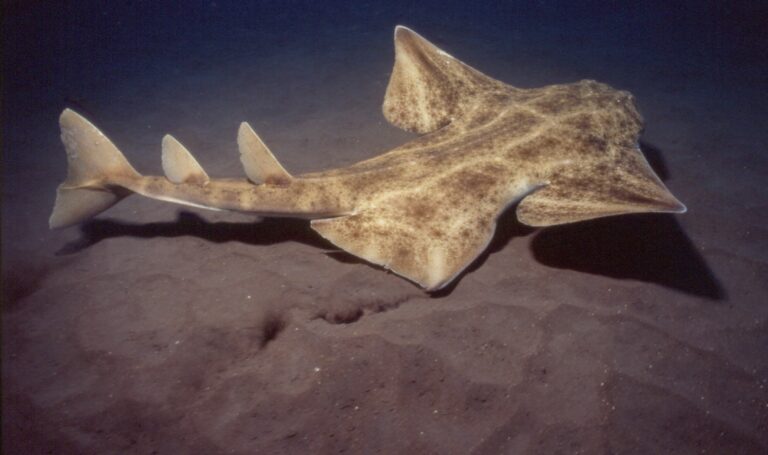
The Canary Islands, renowned for their stunning landscapes and rich biodiversity, face significant challenges in preserving their marine ecosystems. While artisanal fishing activities focused on certain species have become limited, the issue extends beyond local practices to encompass industrial fishing operations. A pressing concern revolves around the ongoing threats to species like the tintorera (blue shark), jaquetas, and janequines, primarily attributed to commercial fishing techniques like surface longlining.
Impact of Industrial Fishing
Historically, the artisanal fishing fleet in Canary Islands has been a cornerstone of local culture and economy. However, the recent ban on bottom trawling has shifted focus onto the impact of industrial fishing.
The industrial fleets, particularly those using surface longlines from mainland ports, continue to pose significant risks to these vulnerable species. Longlining is a fishing method wherein a main line is set out with hundreds or thousands of baited hooks, inadvertently catching non-target species, including sharks. This practice not only threatens shark populations but also disrupts the delicate balance of marine ecosystems, leading to broader environmental repercussions.
A Unique Opportunity for Conservation
Amid these challenges, conservation organizations are advocating for a transformative approach to fisheries management in the Canary Islands. They highlight a unique opportunity for the region to become a haven for endangered marine species. By implementing effective measures to monitor fishing activities, increasing marine protected areas, and launching public awareness campaigns to debunk prevalent myths about sharks, the islands can take significant strides toward sustainability.
The collaboration among diverse conservation organizations underscores the growing consensus on this crucial issue. Groups such as the Asociación Tinerfeña de Amigos de la Naturaleza (ATAN) and the Asociación para la Conservación de la Biodiversidad Canaria (ACBC), among others, are rallying for better protections for marine life. These associations recognize that the preservation of sharks and elasmobranch species is vital for maintaining marine health and biodiversity.
Community Involvement and Education
One of the essential components of the conservation initiative is community involvement. Grassroots organizations are urging local populations to engage in sustainable practices and to understand the importance of marine biodiversity. Campaigns aim to inform the public about the ecological roles that sharks and other marine species play in maintaining healthy oceanic ecosystems.
Debunking myths and misconceptions about these often-maligned creatures is crucial for changing public perception. Many people fear sharks, misunderstanding their role as apex predators that contribute to the overall health of marine life. Educational programs that illustrate the significance of biodiversity and the interconnectedness of species can foster a more profound respect for ocean life.
Institutional Support and Marine Sanctuary
The call to action culminates in an appeal for institutional backing. Conservationists stress the need for government commitment to enforce regulations that protect marine environments effectively. This commitment can include increased funding for marine reserves and scientific research, ensuring that both the local economy and marine biodiversity can thrive.
A vision for the Canary Islands involves transforming parts of its waters into a marine biodiversity sanctuary and a safe migratory corridor for species like the blue shark. This sanctuary would not only protect endangered species but also enhance ecotourism opportunities, benefiting local communities economically while promoting conservation efforts.
Conclusion: A Collective Responsibility
The fight for marine conservation in the Canary Islands is not merely about protecting individual species; it’s about cultivating a culture of respect for nature. Acknowledging the intrinsic value of marine life allows communities to thrive alongside the ocean rather than at its expense. The shared responsibility among local organizations, civil residents, and government institutions can pave the way toward a sustainable future, where both people and nature coexist harmoniously.