Understanding Active and Unauthorized Discharges: An Overview
Active and unauthorized discharges represent a significant environmental concern in various municipalities of the Canary Islands, particularly in Fuerteventura. This issue affects public health and environmental quality, leading to serious implications for both locals and tourists alike. Below, we explore the areas most impacted and the consequences of these discharges.
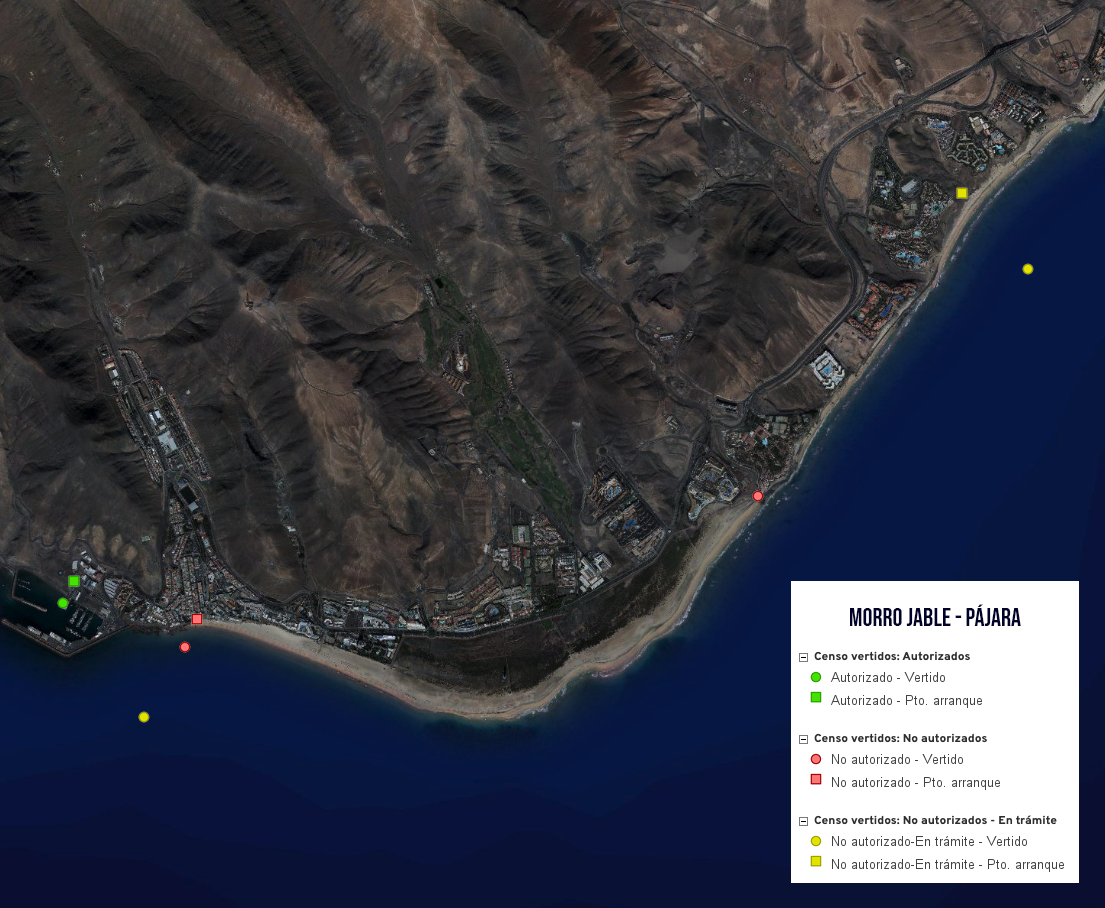
Locations of Concern: Active Discharges
Various areas across the island are responsible for active discharges. Here’s a closer look at specific locations:
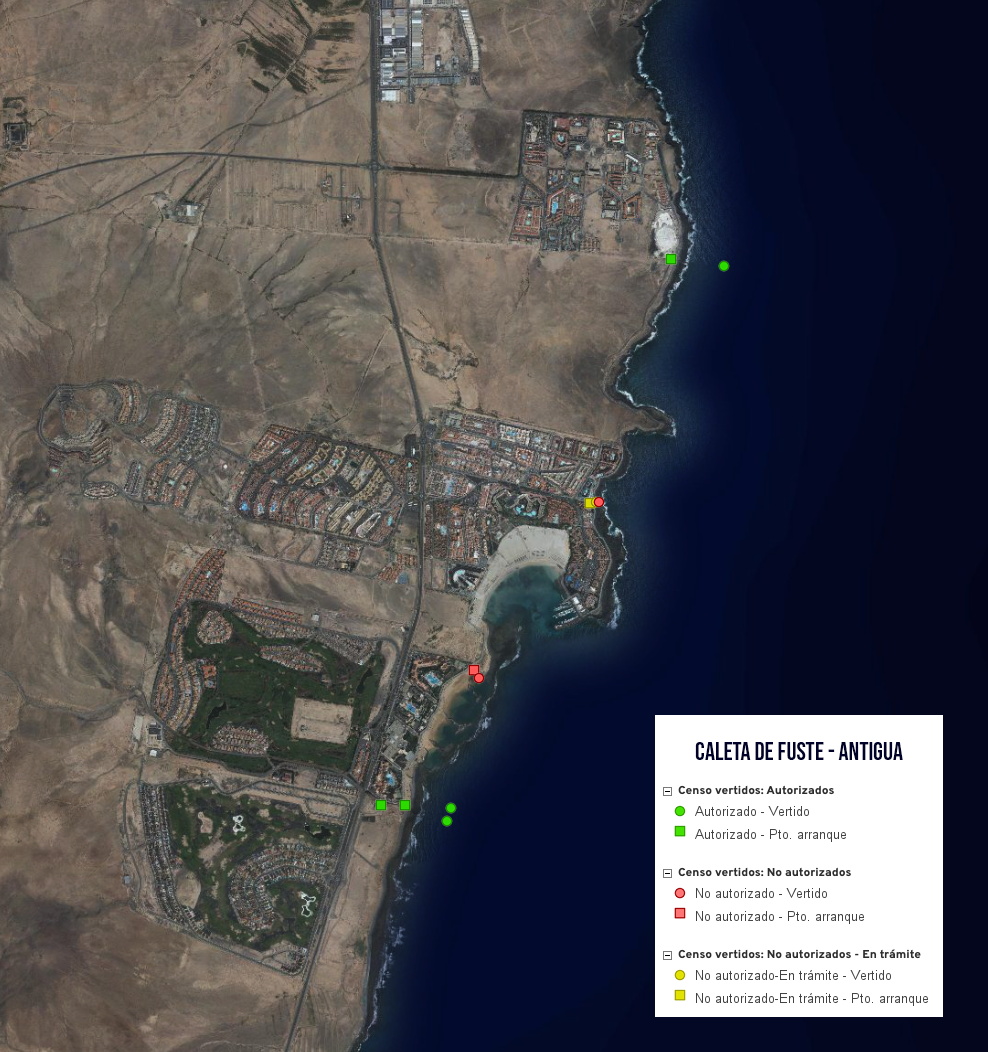
– Antigua:
– Caleta de Fuste: Discharges from the sewage system and the Barceló Hotel.
– Caleta de la Guirra: Wastewater from Anjoca.
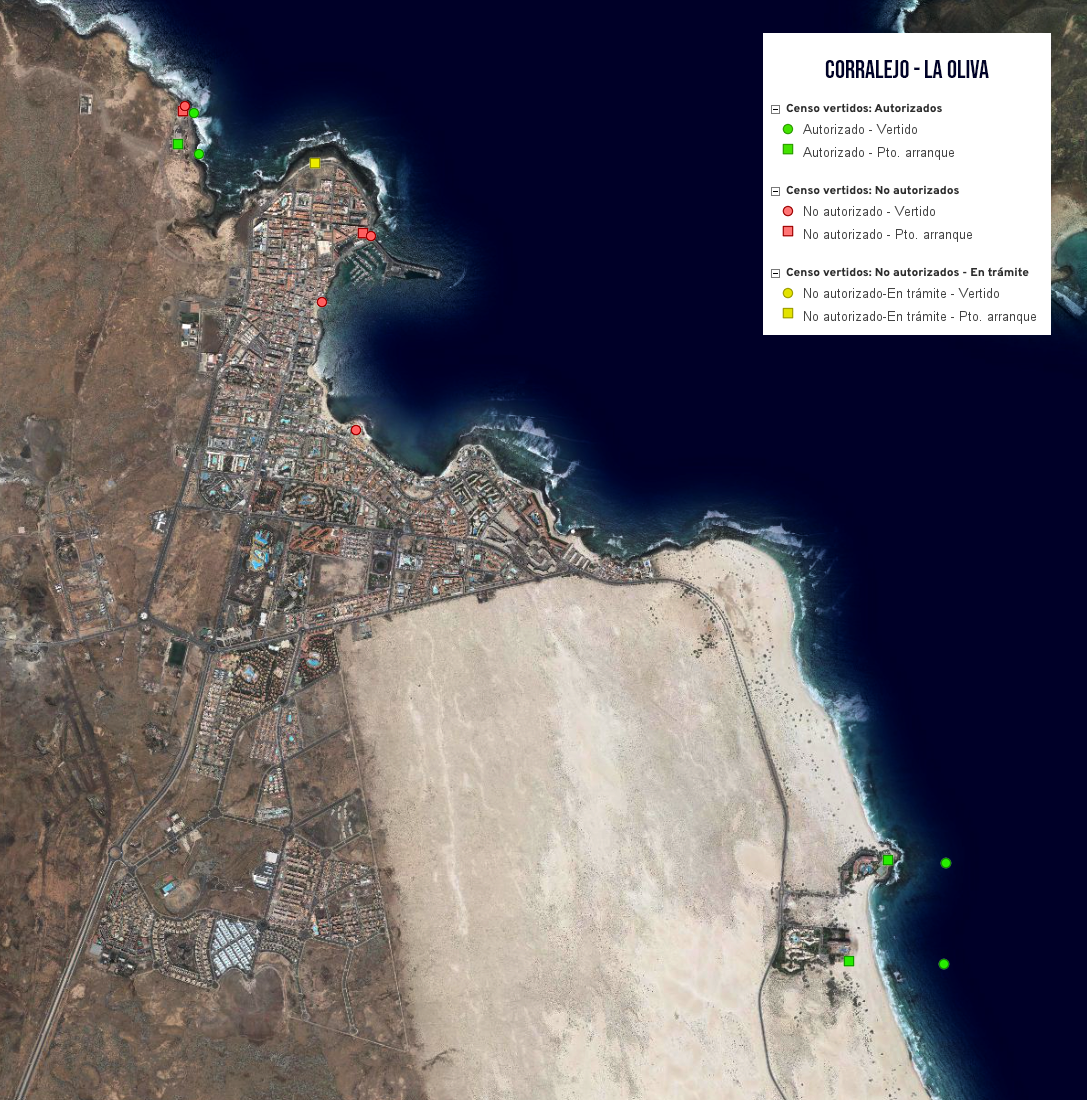
– La Oliva:
– Corralejo: Combating discharges in the Charco de Bristol (managed by the consortium), Playa del Muelle Chico, and Corralejo Viejo (managed by the local council).
– Puerto de Corralejo: Wastewater from the local government.
– El Cotillo: Contamination at Playa del Muellito.
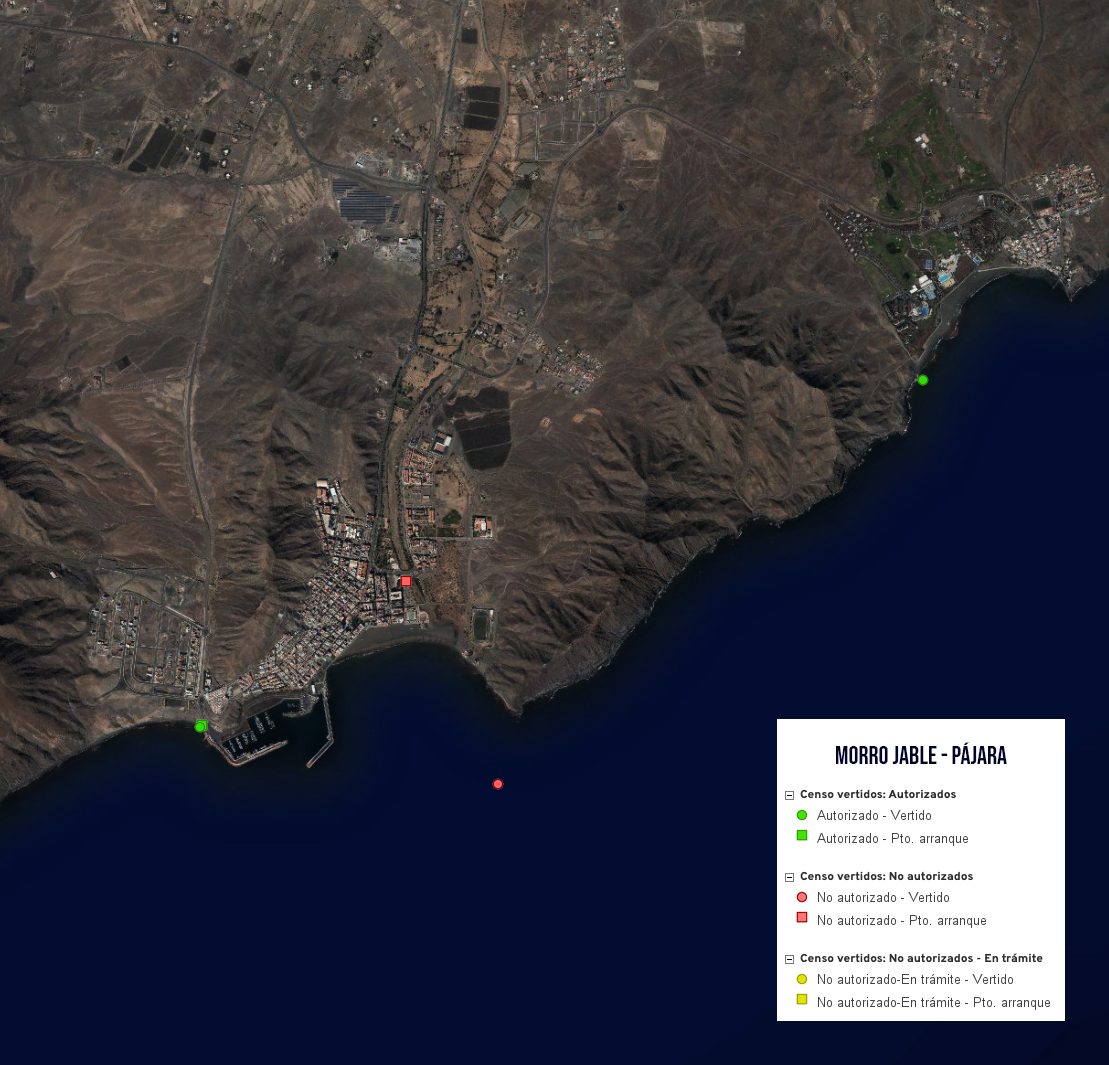
– Pájara:
– Puertito de la Cruz: Local government discharge.
– Esquinzo: Wastewater at Playa de Butihondo (managed by Playas de Jandía).
– Costa Calma: Discharge from FuertCan.
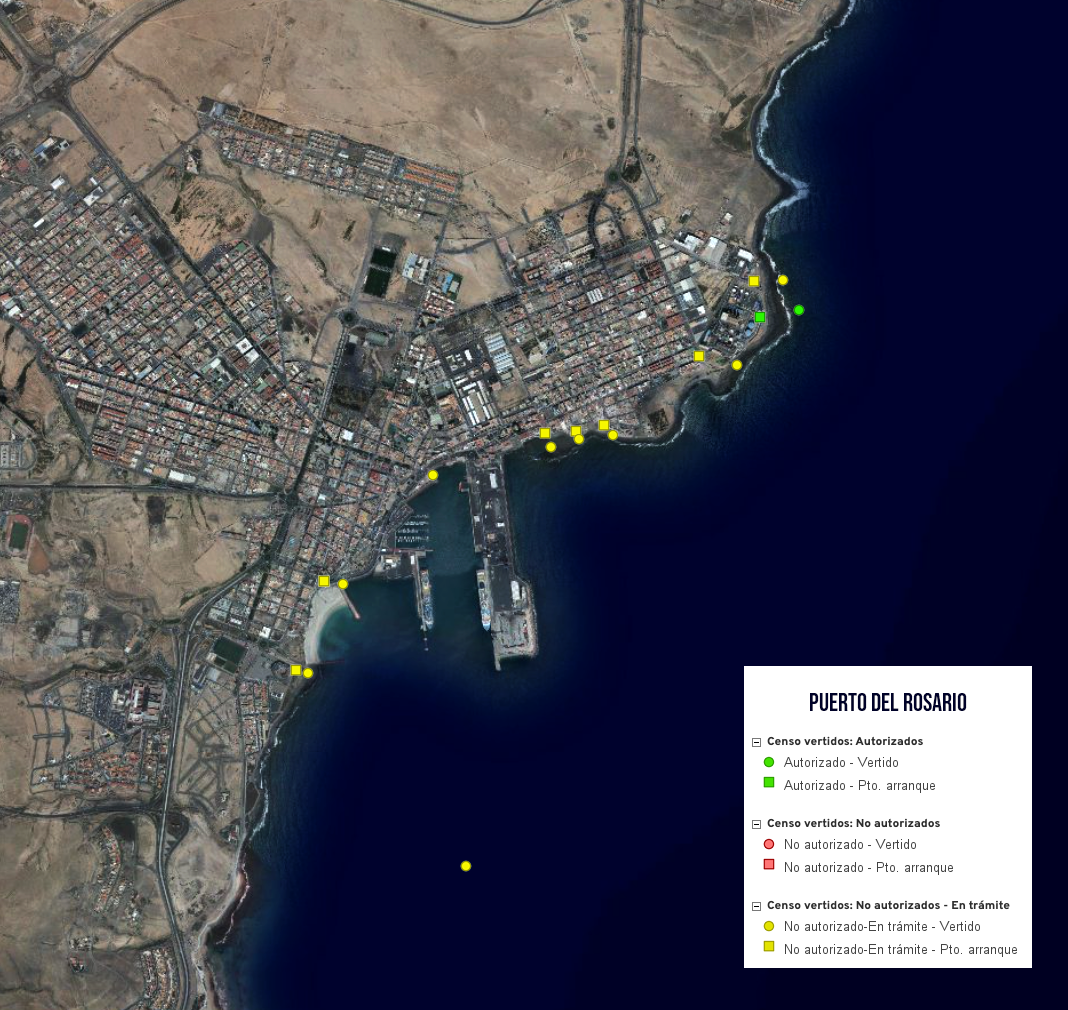
– Puerto del Rosario (currently in processing):
– Punta del Gavioto: Waste from the Water Consortium.
– El Charco: Four discharges from the municipality.
– Muelle Comercial: Municipal discharge.
– Los Hornos:, Los Pozos:, Playa Chica: All related to the local authority’s management.
– Tuineje:
– Playa de Gran Tarajal: Discharge from the local government.
The Health Risks of Swimming in Contaminated Waters
Swimming in waters tainted with bacteria such as Escherichia coli (E. coli) or Enterococcus poses grave health risks. While these bacteria are natural inhabitants of the human gut, their excessive presence in water can lead to serious infections. E. coli, in particular, can cause ailments ranging from gastroenteritis to more severe infections.
– Common Infections: E. coli is the leading cause of urinary tract infections and can also cause infections like meningitis in newborns and respiratory infections.
– Gastroenteritis and Otitis: Ingesting contaminated water may lead to gastrointestinal infections, presenting symptoms such as diarrhea, abdominal pain, vomiting, and sometimes bloody diarrhea. Otitis, an ear infection, can also arise from contact with polluted waters.
– Enterohemorrhagic E. coli: This variant is particularly dangerous, causing severe abdominal pain, vomiting, and bloody diarrhea, often with absent or low-grade fever. Most patients recover within a week, but the condition can be serious.
These bacteria enter the body through various routes: ingestion, open wounds, mucous membranes, the genitourinary tract, or the eyes.
What Are We Eating?
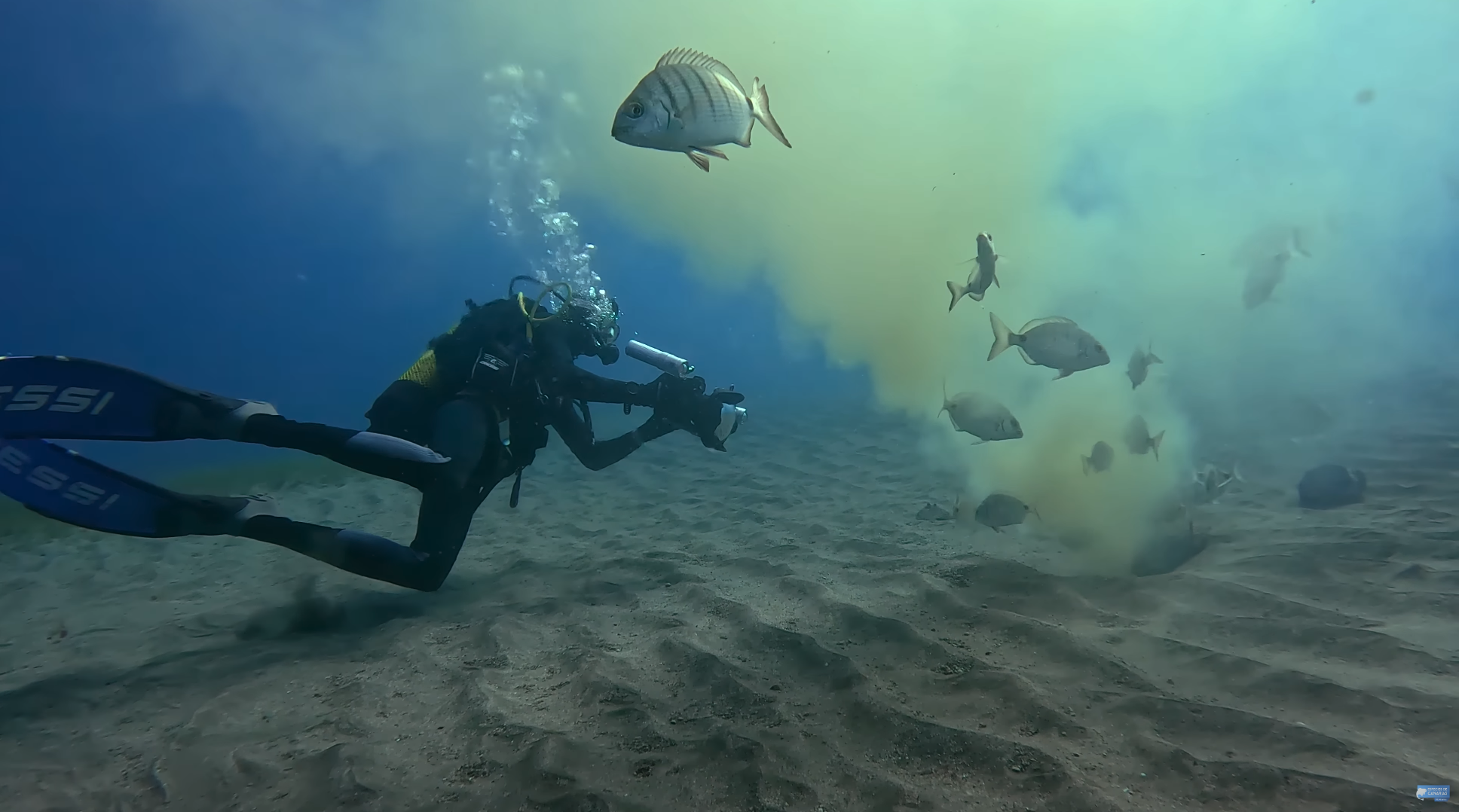
In the contaminated waters, numerous species can be seen feeding off the fecal waste. Fish like sargo, boga, sardines, octopus, and jureles feed on organic waste, including not only the remnants from our toilets but also additional contaminants such as microplastics, paper products, wipes, and hazardous chemicals disposed of into our drains.
If these fish are caught (which is likely), consumers unwittingly ingest seafood that has feasted on waste, including not only organic matter but also antibiotics and other pharmaceuticals. This raises concerns about potential health issues resulting from eating contaminated seafood and the millions of liters of untreated wastewater released into coastal areas teeming with people.
Necessary Measures to Address Pollution
To combat this pressing issue, it is crucial to enhance wastewater treatment infrastructure and ensure constant monitoring of water quality. Local and regional authorities must collaborate closely to implement sustainable solutions. Furthermore, public awareness and responsible tourism play vital roles in protecting the environment and safeguarding public health.
The Connection to Blue Flags
No, blue flags do not directly reflect the results from public water quality studies. They are awarded by the European Foundation for Environmental Education, a private entity. The absence of a blue flag on a beach does not necessarily indicate unsafe water for swimming. The organization also assesses management practices, safety, and available facilities.
The situation in Fuerteventura underscores a broader problem affecting the Canary Archipelago, highlighting the urgent need for more effective environmental management and greater investments in sustainable infrastructure to preserve water quality and protect marine ecosystems.