This past week, Greenpeace Spain and various Greenpeace offices worldwide participated in a series of activities as part of the Global Housing Action Days project. This initiative aims to highlight the critical importance of safe, affordable, and sustainable housing on a liveable planet.
Here’s why this issue is so important.
A home is much more than just a roof over our heads. It serves as the foundation for our sense of safety and stability, a sanctuary where we protect and nurture our families, and a space where communities are formed. Beyond the basic need for secure access to housing, it is essential that homes provide protection from energy price shocks and energy poverty. Additionally, they must contribute to solving the climate emergency. Poor energy efficiency and reliance on fossil fuels for heating and cooking exacerbate both energy insecurity and the climate crisis.
© Alex McBride / Greenpeace
1. Limiting Global Warming to 1.5°C is Essential
To mitigate the worst impacts of the climate crisis, we must rapidly reduce greenhouse gas emissions. This involves halting the burning of fossil fuels—gas, oil, and coal—and decreasing energy demand through improved home insulation. The good news is that solutions for enhancing energy efficiency in homes exist; what is lacking is the political will to implement these solutions.
2. Homes as Part of the Climate Solution
Many homes in Europe still rely on gas for cooking and heating, making buildings both a contributor to the climate crisis and a potential part of the solution. Transitioning our building stock away from gas dependency means that instead of being major greenhouse gas emitters, buildings can harness renewable energy and even contribute back to the grid. At the European level:

© Kerstin Rolfes / Greenpeace
3. Homes as a Public Health Issue
In Spain, for instance, 20.8% of the population lives in energy poverty, defined as spending more than 10% of household income on energy bills. This rate is nearly double the European average of 10.6%. Consequently, many individuals cannot adequately heat their homes in winter due to high energy prices, poor thermal efficiency, and limited incomes. In summer, they struggle to cool their homes, contributing to the tens of thousands of heat-related deaths that occur in the EU each year.

© Felix Schmitt / Greenpeace
4. The Housing System and Its Profiteers
Energy prices in Europe have surged by an average of 66.3% between 2021 and 2025. While fossil fuel companies report multi-million-dollar profits and their executives enjoy hefty bonuses, Europe finds itself increasingly reliant on expensive fossil fuel imports. This dependency allows political leaders like Putin or Trump to expand their energy dominance, using energy blackmail to manipulate the EU and its countries while funding geopolitical conflicts. Meanwhile, the ongoing destruction of the planet continues as we burn gas.
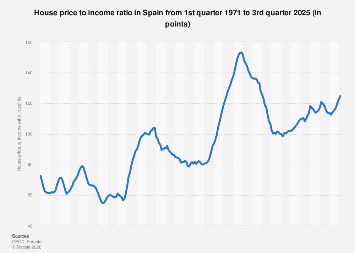
Moreover, homes have transformed into financial assets for billionaires, leading to massive touristification that drives demand and prices sky-high, making access to housing an unattainable dream for millions.
5. Solutions Exist – and Funding is Available
European governments should prioritize refurbishing homes to create zero-emissions buildings that generate their own clean energy through renewable sources, such as heat pumps and shared photovoltaics with neighbors and the wider community. Vulnerable groups should be prioritized to ensure they benefit from this transition.
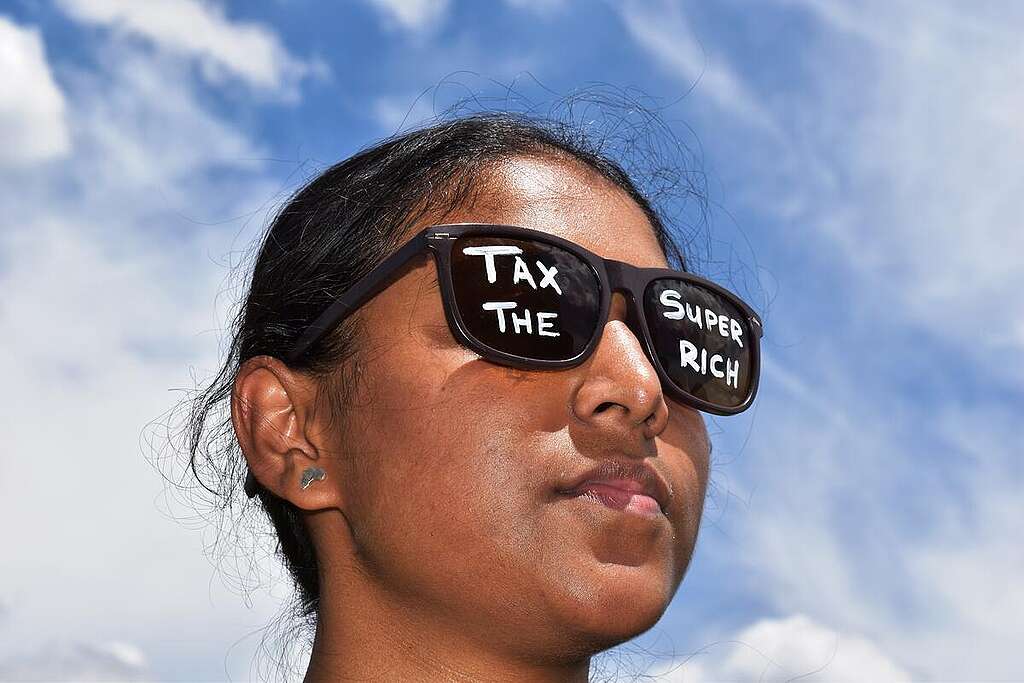
Implementing a fair tax on the super-rich and their real estate financial vehicles is a crucial step toward unlocking resources for a green future. This funding could facilitate the transition to sustainable heating and cooling in homes.

© Pedro Armestre / Greenpeace
For all these reasons, the housing, cost of living, and climate crises are interlinked. We need large-scale home refurbishment to free us from gas and ensure access to decent, affordable, sustainable, and cozy housing for everyone.
We need policies that protect people, not the profits of polluters and speculators.

© Daniel Müller / Greenpeace
To protect people, the planet, and peace, governments must break free from their reliance on fossil gas imports and ramp up efforts to support sustainable home refurbishment.
A fair and green future is within reach. We must stop letting billionaires profit from destruction and start making them pay for solutions.
Maria Prado is the Campaign Coordinator at Greenpeace Spain