Urgent Rescue for Two-Year-Old at Fuerteventura Hotel Pool
On a seemingly normal Monday morning in Pájara, located in the southern region of Fuerteventura, a grave incident unfolded that would keep local authorities and healthcare professionals on high alert. A two-year-old child was rescued from a hotel pool after experiencing severe signs of drowning. This alarming event serves as a sobering reminder of the potential dangers that swimming pools pose, especially for young children.
Immediate Response
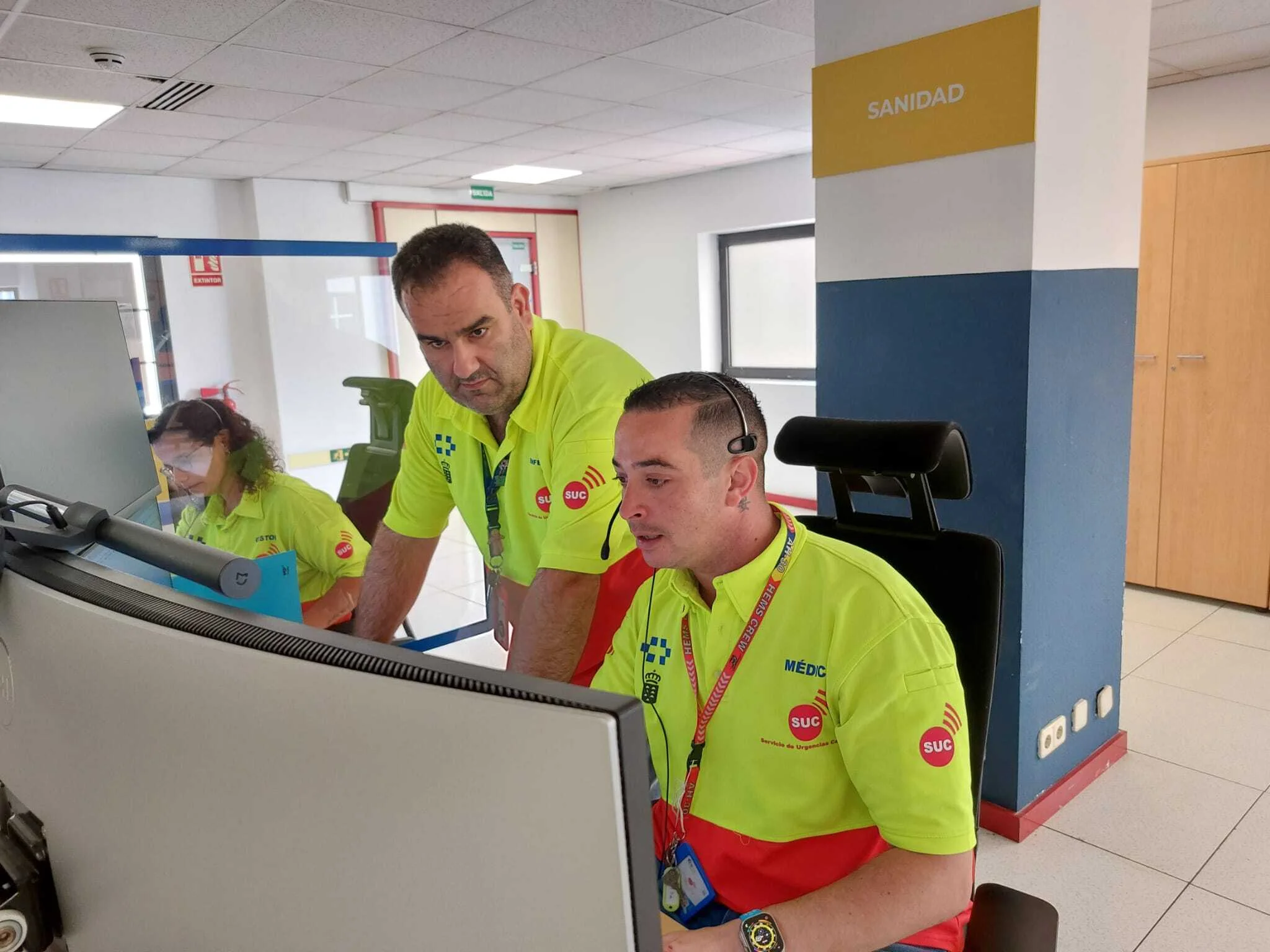
The events began at approximately 9:54 AM when hotel staff alerted the emergency services about the child’s distress. The Centro Coordinador de Emergencias y Seguridad del Gobierno de Canarias, the local emergency coordination center, received an urgent call regarding the situation. Witnesses reported that staff at the hotel acted swiftly, retrieving the toddler from the water.
This rapid action was crucial as every second counts in drowning emergencies, where the chances of recovery are significantly improved with immediate intervention. Once the child was out of the water, first responders from the Servicio de Urgencias Canario (SUC) provided essential medical assistance on-site.
Hospital Transfer
Following the initial treatment, the child was transported by a medical ambulance to the General Hospital of Fuerteventura. The urgency of the situation was palpable, as medical personnel worked diligently to assess and stabilize the child during the journey.
This incident has raised awareness about water safety, especially as summer approaches, and many families flock to hotels with swimming facilities. It emphasizes the necessity of constant supervision when young children are near water, along with proper safety measures in place at hotel pools.
Symptoms of Drowning
It’s important to understand the symptoms of drowning, especially in young children. In cases like this, the victim may not exhibit the obvious signs one might expect, such as shouting for help. Instead, they can quieten down quickly and sink, making it essential for adults to remain attentive. Signs of severe drowning include difficulty breathing, coughing, and a distressed or unresponsive appearance.
The child’s rescue was a pivotal moment, but it serves as a wake-up call for parents and guardians. Creating a culture of vigilance around water activities could prevent such incidents in the future.
Collaboration Among Local Authorities
The situation also highlighted the collaborative efforts of local authorities, which included the Guardia Civil and the Policía Local. Their involvement ensured thorough documentation of the event and laid the groundwork for any further investigations that might arise from the rescue. Additionally, these organizations play a key role in public safety and awareness campaigns, especially in regions frequented by tourists.
Ongoing Awareness and Prevention
As the incident unfolds, local authorities and healthcare professionals are likely to ramp up awareness campaigns focused on water safety. Educating both residents and visitors about safe practices around pools will be crucial in preventing further occurrences. Simple measures such as using life jackets, installing barriers, and ensuring that a responsible adult is watching children can significantly mitigate risks.
Conclusion
This harrowing incident not only reflects the quick response of hotel staff and emergency services but also serves as an important reminder of the need for vigilance around water. Families should take this opportunity to revisit water safety practices to ensure that such rescues are not necessary in the future.