A Cultural Crusade: The Artisan Market of Lajares
Inception and Growth
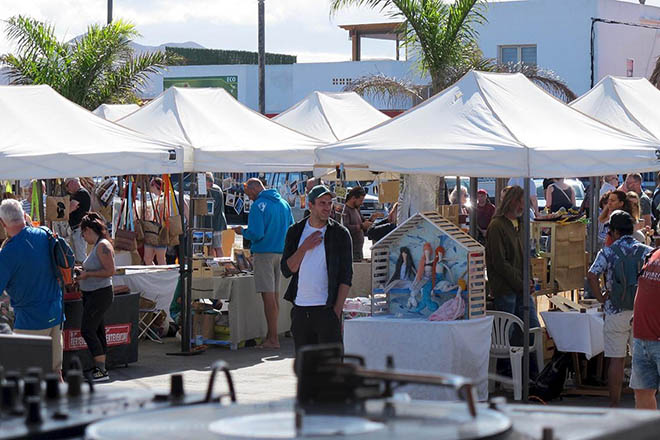
Ten years ago, a group of artisans recognized a void in Fuerteventura’s cultural landscape. They decided to take matters into their own hands and open an artisan market in the quaint square of Lajares. This small initiative quickly blossomed into a cultural touchstone for the island, attracting representatives from over 20 different cultures and speaking 17 languages. Today, the bustling market is not just a place to buy handmade goods; it’s become a melting pot of creativity, culture, and community.
The Voices of Artisans
One of the key figures behind this movement is Marga Ramos, a glass artist and representative of the Relajarte Association, which includes many artisans from the market. In an engaging conversation with Diario de Fuerteventura, Marga explained the necessity that birthed the market: “At that time, there was no place for artisans in Fuerteventura to sell their work.” With this urgent need in mind, they organized the first market, which quickly drew 50 artisans every Saturday.
The burgeoning market didn’t stop at handmade crafts; it carved out space for cultural performances featuring local musicians, engaging children’s activities like circus acts, storytelling sessions, and the presence of guest artisans from around the globe. Its popularity has even garnered it a spot on TripAdvisor as a cultural landmark in Fuerteventura.
A Catalyst for Economic Growth
Another artisan, Snjezana Pejicic Avdic, who specializes in patchwork, emphasized the market’s role in revitalizing the town. It has contributed to the local economy by drawing in tourists and providing a social platform for community interaction. “It’s not just a marketplace; it’s a meeting point where locals and tourists converge,” she stated.
However, when the COVID-19 pandemic hit, the market faced significant challenges. With tents packed away and stalls shuttered, artisans struggled. Maria Alonso, a creator of bags, reflected on the tough months of uncertainty: “I’ve seen people having to relocate because they couldn’t pay rent; others have left the island.”
Government Interference: A New Chapter?
Recently, the local government of La Oliva stirred controversy by calling a meeting with artisans. Attendees arrived with a sense of hope, expecting communication about health measures for the market’s reopening. Instead, Marcelino Umpiérrez, the newly appointed Commerce Councillor, proposed to take over the management of the market, which had previously been overseen by the Cultural Council.
This shift has sparked discontent among the artisans. “He wants to manage all the markets and dictate how we should operate,” Marga explained, reflecting the group’s frustration. The artisans have historically funded the market themselves, purchasing tents, furniture, and even hiring musicians. They have never sought government subsidies, fearing that financial dependency would jeopardize the market’s independence.
The Price of Participation
The government’s proposal includes charging artisans 30 euros weekly for stall space—a fee that many artisans find unjust. Marga pointed out that some craftspeople don’t make enough to cover this cost. Maria added that while other municipalities, like Las Palmas, are promoting markets, La Oliva seems to be putting obstacles in their path. “There are 50 families relying on this market, many of whom have children. When they finally had the chance to recover, they were blocked.”
A Call for Space and Respect
Marga stressed that the artisans do not seek financial aid from the municipality; they only want the space for a few hours on Saturday mornings to continue their work. “There are seven days in a week. If the council wants a market, they can hold it on another day. It’s unfair to take over something we built,” she argued.
For nearly a decade, artisans have enjoyed the support of previous administrations, which appreciated their contributions. “Now, a new councillor comes in, and instead of supporting us, he wants to take away what we’ve developed,” Marga lamented, revealing feelings of betrayal among the group.
Unanswered Questions
Despite sending joint and individual emails to the local government, the artisans have yet to receive a response regarding the market’s reopening. “There’s no communication,” Marga said, highlighting their frustrations. They hope to maintain the integrity of their market without governmental interference that could dilute its essence.
With concerns about potential privatization and mismanagement looming, artisans like Snjezana warn about the fate of markets under new management. “Whenever local governments or private companies take over, markets suffer,” she stated, underscoring the strength that comes from artisan-led initiatives.
In conversations filled with passion and urgency, the artisans of Lajares show that this isn’t merely about economics; it’s about community, culture, and the dream they’ve built together over the past decade. They are determined to keep the spirit of the artisan market alive, despite the challenges that lie ahead.