The Arenera Góngora Gutiérrez Quarry: A Controversial Request for Expansion in La Oliva
Overview of the Quarry Operations
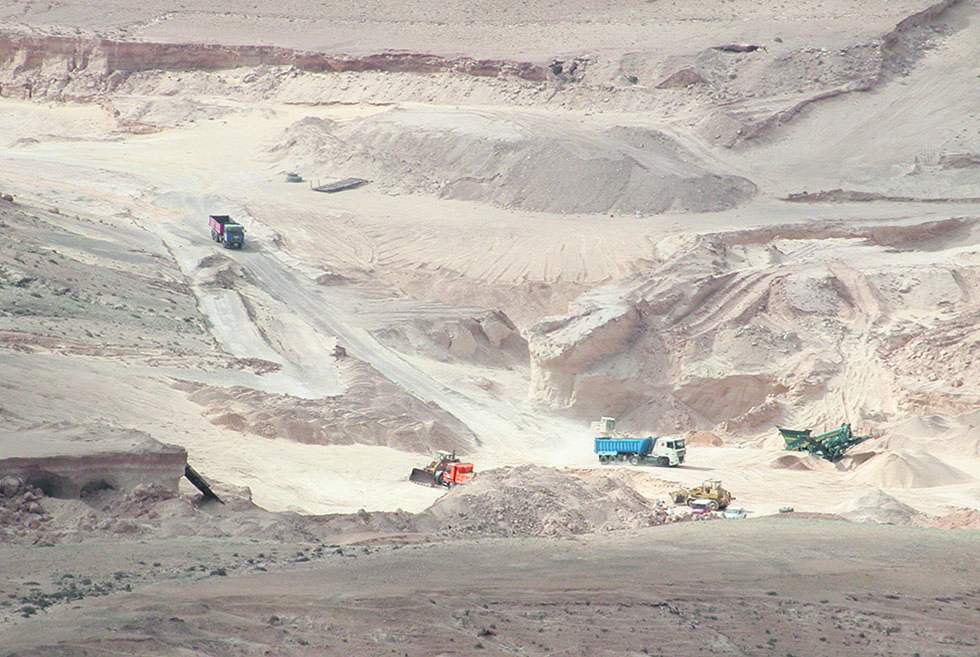
Arenera Góngora Gutiérrez has been a fixture in the La Oliva region of Fuerteventura for three decades, extracting sand from the renowned Barranco de los Encantados. This company is seeking an extension of its mining concession, proposing to operate for another 30 years. As part of this process, they have submitted various necessary documentation, including an environmental impact study and a restoration plan.
Ownership and Historical Context
The quarry is owned by Manuel Gutiérrez Ruiz, Amalia Chacón Negrín, and María Concepción Góngora Chacón. Established in proximity to the paleontological site designated as a Bien de Interés Cultural (BIC) in 2008, the Barranco de los Encantados holds significant geological and natural value. Known for its fossil dunes, this area offers a unique landscape that underscores its ecological importance in the Canary Islands.
Environmental Concerns
The site is situated within the Special Protection Area for Birds (ZEPA) of Lajares, Esquinzo, and Costa del Jarubio. This underscores its ecological sensitivity since the area is a hub for various species. The quarry spans almost two million square meters and has estimated sand reserves of approximately 1.2 million cubic meters. The company hopes to extract around 40,000 cubic meters annually over the next three decades, but not everyone supports this plan.
Regulatory Challenges
The concession for the quarry expired on January 29, 2020, prompting a renewed application for an extension. However, the Autonomous Environmental Assessment Commission previously deemed the request unfavorable for four significant reasons:
-
Incompatibility with Local Land Use: The area is classified as Rustic Land with Dominant Natural Value according to the Fuerteventura Island Management Plan (PIOF). This classification only permits “traditional and customary extractive activities.”
-
Impact on Conservation Areas: The quarry’s operations lie within a core zone of the Biosphere Reserve, compromising the conservation efforts aimed at safeguarding natural resources. The quarry’s extractive activity is deemed incompatible with the objectives of this protected space.
-
Negative Effects on Bird Protection Areas: The mining activity poses direct threats to the ZEPA, as it does not align with the area’s management goals and could disrupt local ecosystems.
-
Threat to Endangered Species: Concerns have been raised about potential harm to the hubara canaria, a species listed as endangered, and the habitat critical for its survival.
A Revised Proposal
In response to the previous rejection by the government, Arenera Góngora Gutiérrez has presented a modified proposal aimed at addressing the regulatory concerns. This new initiative claims to align more closely with environmental protection objectives while still fulfilling the local demand for sand.
Key Changes
The revised project significantly reduces the area of the quarry from an initial 801,700 square meters to just 118,889 square meters. At the same extraction rate of 40,000 cubic meters per year, the new plan aims to strike a balance between resource extraction and environmental conservation. The proponents argue that this controlled approach could meet the local construction sector’s needs without overburdening natural resources.
Economic Implications
The promoters insist that closing the quarry could have detrimental economic effects on the local economy. They argue that the demand for sand is approximately 40,000 cubic meters annually—directly aligning with their proposed extraction capacity. They emphasize the importance of sourcing materials locally to avoid the high costs associated with importing sand, which could escalate construction expenses and adversely impact public and private projects.
Moreover, closing the quarry could result in job losses and economic downturns associated with the reduction of activity in the island’s construction sector. It could also lead to increased carbon footprints from transport, further complicating environmental considerations.
Commitment to Environmental Practices
According to the impact study conducted by biologist Rosendo López, the extraction process can be managed without compromising the region’s ecological integrity. The company asserts its willingness to adopt reasonable conservation measures suggested by environmental organizations and local stakeholders. This openness indicates a proactive approach in potentially aligning operations with conservation efforts.
In summary, the ongoing debate around Arenera Góngora Gutiérrez’s request for an extension highlights the complex interplay between economic interests and environmental conservation in Fuerteventura. As the discussion unfolds, stakeholders on both sides of the issue continue to navigate this challenging landscape, weighing the need for local resources against the imperative of protecting Fuerteventura’s unique ecosystems.