Puerto del Rosario Approves Municipal Cultural Heritage Catalog
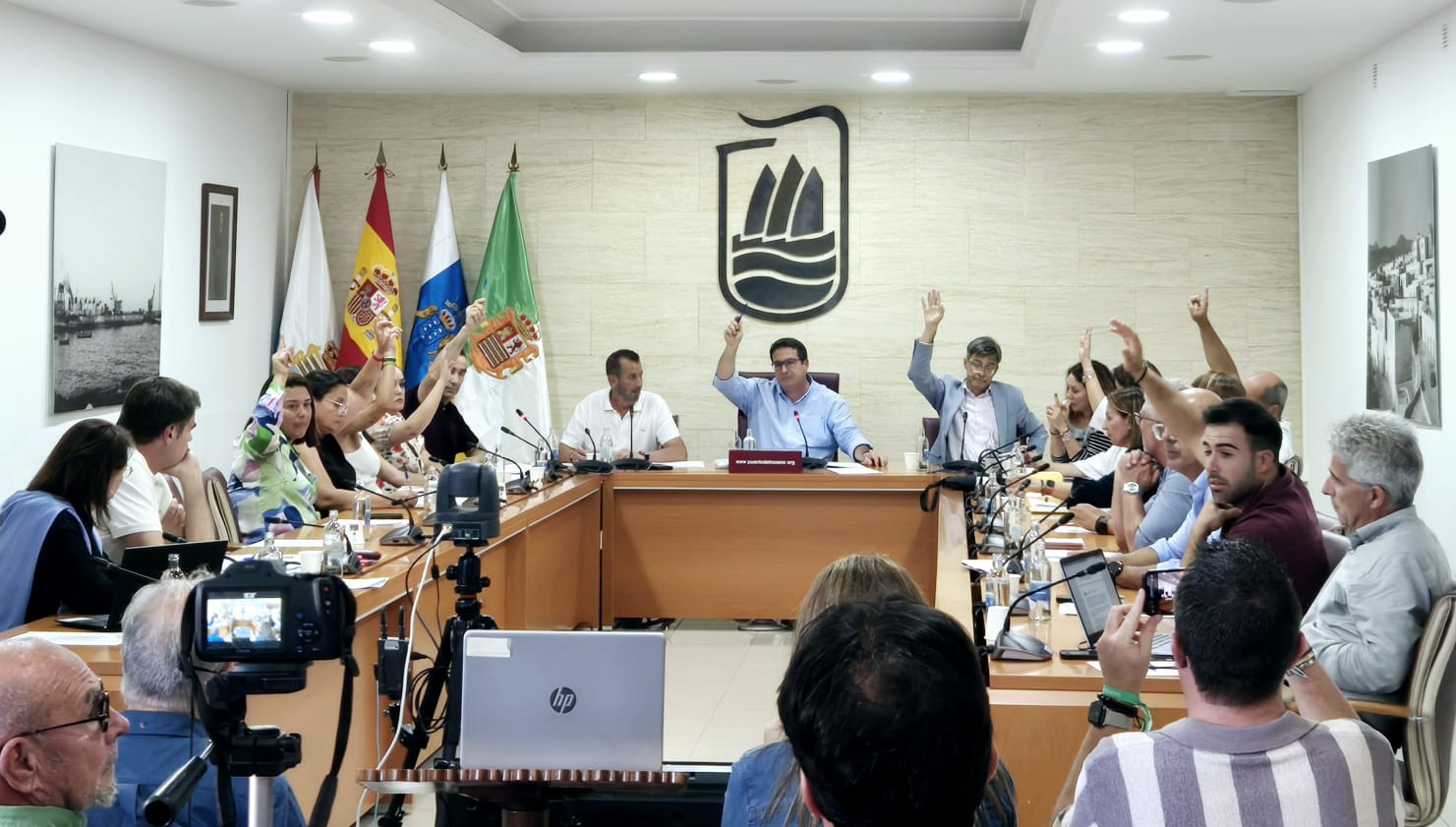
On May 19th, 2024, the Ayuntamiento de Puerto del Rosario held an extraordinary plenary session resulting in the approval of a significant legal and technical instrument, known as the Municipal Catalog of Cultural Heritage Assets. This remarkable document encompasses over 800 assets located within the municipality, marking a pivotal point in the preservation of Puerto del Rosario’s cultural identity.
A Complicated Vote
The voting process saw a clear divide. The governing coalition, formed by the Coalición Canaria and the PSOE, backed the catalog, while the opposition—which includes the Partido Popular (PP), Fuerteventura Avanza, AMF, and an ex-councilor of Vox, now aligned with the PP—voted against it. This stark division reflects underlying tensions regarding local governance and preservation efforts.
Historical Context
This catalog is the first of its kind produced by the capital’s municipal government and had its origins tracing back to 2018. Initially, it included approximately three thousand entries of assets judged worthy of protection. However, many historical buildings in the capital, some of which hold significant value to the identity of the old Puerto Cabras, have fallen victim to demolition, highlighting a pressing need for protective measures.
Expert Involvement
The catalog’s creation involved extensive coordination through the Historical Heritage Department, with the project executed by Cabrera Febles Arquitectura, Paisaje y Urbanismo. This firm was awarded the contract amounting to €119,508.30 last year, underscoring the commitment to ensure that professionals with specialized expertise supervised the drafting of the catalog.
Out of an initial 863 cultural heritage assets proposed for review, a total of 843 entries were officially included in the approved document. These entries illustrate a variety of architectural, ethnological, archaeological, and landscape features deserving of attention and protection.
Statements from Officials
During the session, Councilman David de León emphasized the catalog’s importance, stating, “This catalog represents a milestone for Puerto del Rosario. It protects our history and provides a clear, updated tool for making responsible territorial decisions.”
Mayor David de Vera echoed these sentiments, characterizing the document as a testament to the municipality’s commitment to preserving cultural identity while promoting responsible and sustainable development methodologies.
After its preliminary approval, the catalog will undergo public exhibition, inviting feedback and allegations from any individuals or organizations concerned. Once these contributions have been adequately addressed, the final document will return to the plenary for a conclusive approval debate.
Opposition Reactions
Despite the catalog’s approval, it faced strong backlash from the opposition parties. The Partido Popular condemned the project as a “makeshift catalog punishing hundreds of families,” raising alarms about potential “technical errors, lack of economic reports, and failure to notify property owners.”
Opposing spokesperson Fernando Enseñat asserted, “We need to protect our heritage, but it must be done thoughtfully and responsibly.” The PP argued that the current proposal is riddled with inaccuracies that could lead to costly legal disputes affecting local residents.
More than 370 private homes could be impacted by the catalog, particularly those deemed historically insignificant or dilapidated. Critics claim the catalog infringes on property rights without adequate justification, raising ethical concerns about transparency and the potential displacement of homeowners.
Criticism from Fuerteventura Avanza
Likewise, the group Fuerteventura Avanza highlighted “technical and legal irregularities” in the catalog, questioning the criteria used for asset inclusion. Spokesperson Peña Armas critiqued the hasty approval process, warning of possible repercussions for the municipality’s future development, which could mirror failures seen with previous projects like El Matorral.
Armas specifically pointed out that certain parcels, such as La Rosa de D. Victoriano, have seen a misclassification of land which could lead to detrimental consequences. She called for a reconsideration of the catalog to ensure legal compliance and protect both the local heritage and the community’s urban development interests.
Supporting Voices: Coalición Canaria
In defense of the project, the coalition Asamblea Majorera – Coalición Canaria articulated their stance, asserting that the catalog represents a “bold political decision that establishes a long-term direction for the municipality.” They described the catalog’s revival as an obligation in response to a prior catalog that had been stalled since 2019.
Councilman David de León reiterated the government’s commitment to prioritizing heritage protection in the face of growing speculation regarding land use. Mayor David de Vera added that safeguarding this heritage is about respecting the community’s collective memory, emphasizing the necessity of legal adherence throughout the cataloging process.
The governing coalition expressed disappointment over the lack of support from opposition parties, stating that overlooking the past could jeopardize the community’s future, especially against the backdrop of a moratorium on urban licenses aimed at preventing developments on assets earmarked for protection.
A Crossroad in Preservation
The passage of the Municipal Catalog of Cultural Heritage Assets signals a momentous effort towards preservation in Puerto del Rosario, evoking both enthusiastic endorsements from supporters and fervent critiques from opposing parties. As the catalog enters a public consultation phase, the future of many historical sites hangs in the balance, reflecting broader discussions related to community identity, governance, and heritage preservation.