Understanding the Seasonal Restrictions on Shellfish in the Canary Islands
Overview of the Harvest Limits
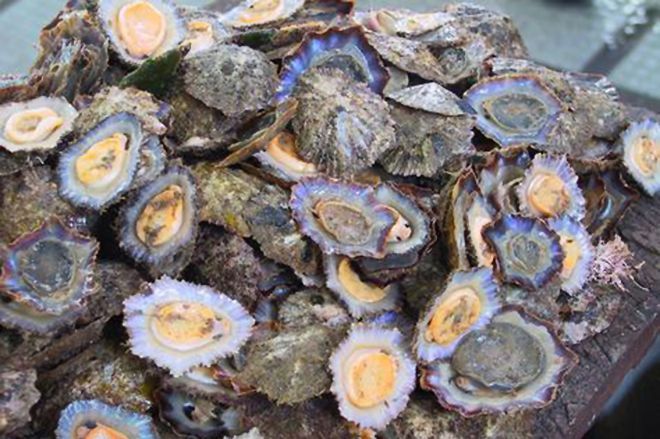
In an effort to conserve marine biodiversity, the Agricultural, Livestock, Fisheries, and Food Council of the Canary Islands has implemented strict seasonal restrictions on the harvesting of lapas (a type of sea snail) and burgados (limpets). These limitations are essential to protect the delicate marine ecosystems while also ensuring the sustainability of these species for future generations.
From December 1, 2019, until April 30, 2020, the collection of lapas and burgados is prohibited throughout the Canary Islands. Notably, Fuerteventura has additional restrictions, extending this prohibition from July 1, 2020, to September 30 of the same year. This period of inactivity is crucial for these species to repopulate and maintain their populations in the diverse underwater habitats surrounding the islands.
Additional Restrictions on Crustaceans
The regulations do not stop at lapas and burgados. Between December 1 and March 31, anglers and gatherers are also forbidden from capturing several species of crabs. This includes the black crab (Grapsus adscensionis), the white crab (Plagusia depressa), and various crabs often used as bait, such as the flat spider crab (Percnon gibbesi) and the old woman crab (Xantho spp.).
Interestingly, these restrictions do not apply uniformly across all islands. For instance, while recreational foraging is limited in most places, El Hierro is allowed to catch specific crabs for bait during this no-capture period, albeit limited to half of the amount permissible outside the ban. This nuanced approach highlights the need to adapt rules based on local conditions and profiles.
The Diversity of Lapas in the Canary Islands
The Canary Islands are home to four distinct species of lapas: the black lapa, the white lapa, the sun lapa, and the majorera lapa. Each of these species plays a vital role in the local ecosystem, which led to the establishment of the corresponding harvesting limitations.
Among these, the majorera lapa (Patella ferruginea) is particularly notable. This species is classified as endangered due to overfishing driven by its high demand as a delicacy. Currently, significant populations of majorera lapas are confined to Fuerteventura and Lobos Island. Violating regulations specifically related to endangered species can result in severe penalties, with fines reaching as much as 2 million euros.
Consequences of Non-compliance
The implications for ignoring these legal restrictions are serious. Fines can escalate to as much as 60,000 euros for non-compliance with harvesting regulations for lapas and burgados. These penalties serve as a deterrent and underscore the importance of adhering to conservation efforts designed to protect fragile marine habitats and species in the region.
Community Engagement and Conservation Efforts
In addition to legal restrictions, community awareness and involvement in conservation efforts are essential. Local initiatives aimed at informing fishermen and foragers about sustainable practices can foster a culture of ecological responsibility. Knowledge sharing about the importance of marine biodiversity can lead to greater community involvement in conservation strategies, bolstering the resilience of local marine ecosystems.
Engaging in responsible fishing and gathering, coupled with adherence to established guidelines, not only aids in protecting marine life but also ensures that these resources remain available for future generations. The period of veda thus reflects a collaborative effort towards preserving the Canary Islands’ unique marine biodiversity.