Celebrating Literature and History at El Muelle Chico de Corralejo
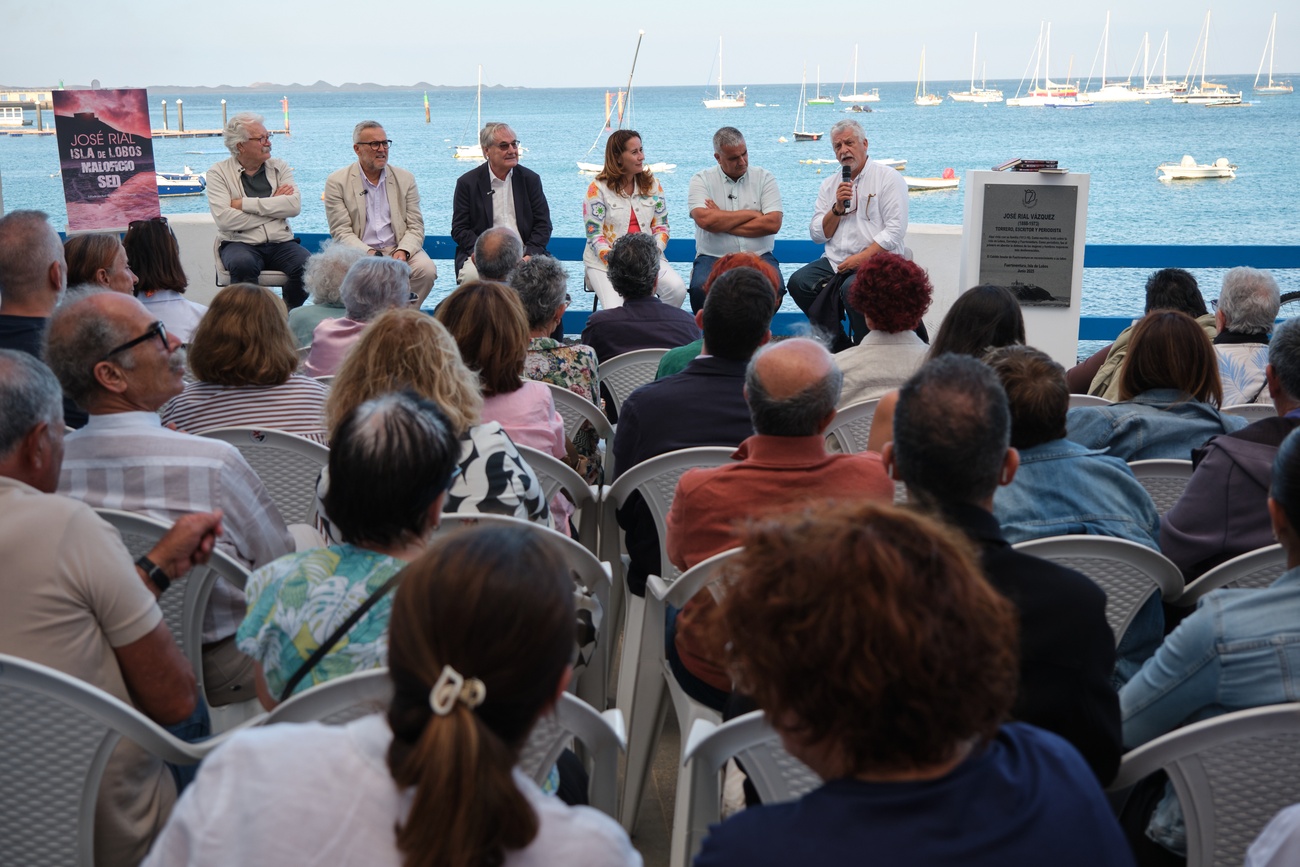
On a sunny afternoon, El Muelle Chico in Corralejo played host to a significant literary event: the presentation of a book that encapsulates the short novels Isla de Lobos, Maloficio, and Sed by the multifaceted writer, journalist, and politician José Rial. This special edition, brought to life by Raúl Miranda López with the generous backing of fellow writer Marcos Hormiga, seeks to shed light on the often-overlooked narratives of a remarkable figure in Canarian history.
A Gathering of Cultural Voices
The event drew an audience eager to celebrate the literary contributions of José Rial. Coordinated by the Cabildo de Fuerteventura and the Ayuntamiento de La Oliva, the presentation showcased a blend of cultural pride and community spirit. Honorary guests included Raúl Miranda and Marcos Hormiga, alongside prominent figures such as Lola García, President of the Cabildo of Fuerteventura, and Rayco León, the Councillor for Culture. Among others present were David Hernández, the Cultural Councillor of La Oliva, José Medina, President of the Juan Negrín Foundation, and historian Néstor Hernández.
A Literary Revival
The book Isla de Lobos, Maloficio, Sed stands as a facsimile of three independent narratives penned by Rial. In response to their visit to the exhibition titled “José Rial (1888-1973): Lucha, compromiso y reconstrucción”, curated by Néstor Hernández for the Juan Negrín Foundation, Miranda and Hormiga recognized the need for this new edition. Their ambition was to revive Rial’s literary voice and bring his stories back into public consciousness.
The significance of this book goes beyond mere nostalgia; it serves as a reminder of the struggles that resonate within the cultural tapestry of Fuerteventura. Rial’s narratives delve into social issues that plagued the island, echoing the resilience of its people.
José Rial: A Man of Many Talents
José Antonio Rial Vázquez, whose life spanned from 1888 to 1973, spent three formative years in Fuerteventura, a period that left an indelible mark on both his literary career and the local community. Initially serving as a ‘torrero’ at the Martiño lighthouse on the small Isla de Lobos, Rial arrived with his wife and two children in 1913. His experiences during this time informed his perspective and shaped his writing, particularly in understanding the hardships faced by the fishermen of the island.
In 1916, after his tenure on Isla de Lobos, he continued to advocate for the welfare of Fuerteventura’s fishing community. His initiatives included the establishment of pósitos—fishermen’s cooperatives supported by the state— in Corralejo and Gran Tarajal. These establishments significantly improved the living conditions of fishing families by offering education, healthcare, and commercial assistance.
The Social Commentary of Rial’s Works
Rial’s literary contributions are characterized by their social consciousness. Through his novellas, he vividly depicts the poverty and political corruption of early 20th-century Canarian society, emphasizing the struggles faced by the local population against the backdrop of an elite class in Las Palmas de Gran Canaria. His writing serves not only as a reflection of his times but also as a testament to the enduring spirit of the people of Fuerteventura.
Rial’s role as editor of La Provincia from 1927 to 1930 further solidified his commitment to social change. In his capacity, he focused on improving the conditions of life for the inhabitants of Fuerteventura, casting a spotlight on the island’s unique challenges and cultural identity.
Historian Néstor Hernández aptly summarizes the literary importance of Rial by stating, “No other published work has provided so many references to early 20th-century Fuerteventura.” Nearly a century later, Hernández argues, it is high time for Rial’s contributions to be acknowledged and celebrated.
The Future of Cultural Heritage
Community leaders, including Isaí Blanco, the mayor of La Oliva, emphasized the importance of projects like this book to connect the past with future generations. As Blanco noted, it is essential to pass down stories of history and identity to ensure that the rich heritage remains alive and cherished.
David Hernández added that this publication enriches the cultural identity of the island through the dedicated efforts of Miranda and Hormiga to breathe new life into the lighthouse keeper’s story, awakening a sense of belonging among today’s residents.
In this celebration of literature and history, the voices of Fuerteventura resound, inviting everyone to partake in the richness of their collective narrative.