Unearthing the Past: The Ninth Archaeological Campaign at Lobos I
The Roman site of Lobos I, located on the charming Islote de Lobos, is once again the center of archaeological investigation as the ninth campaign kicks off on November 4, running through November 23. This year, the excavation area has expanded by an impressive 370 square meters to the north of the current site, signaling an exciting new chapter in our understanding of Roman presence in the Canary Islands.
Expanding Horizons in Archaeology
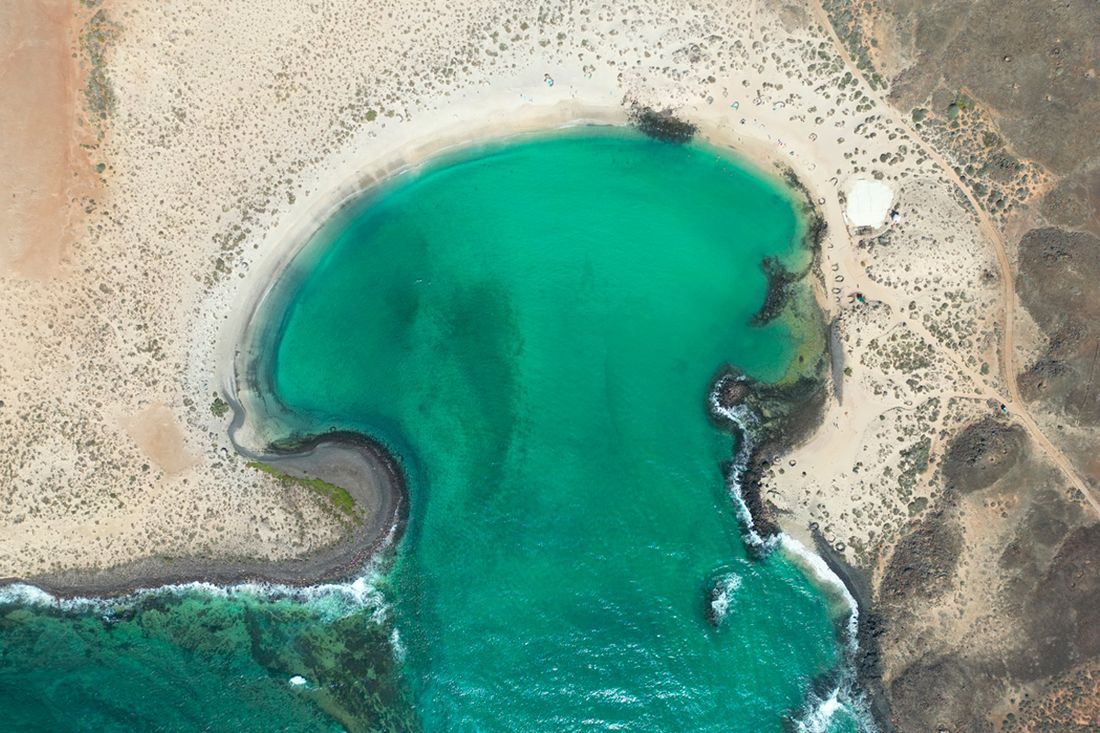
This year’s campaign continues to build on discoveries made in 2023, where innovative georadar technology unveiled previously unexplored zones of interest near Playa de La Calera. Researchers are now keen to delve deeper into these areas to uncover more about the intricate processes of purple dye production and the daily lives of those who operated within the Roman workshop.
The Project and Its Origins
The project, aptly titled ‘Towards the Definition of the Purple Islands: From the Purple Workshop of Lobos 1 (Islote de Lobos, La Oliva, Fuerteventura)—Archaeological Work on the Island of Lobos and Its Local Context,’ has been ongoing since the significant discovery of the site in 2012. This collaborative effort seeks to elucidate the extent and influence of Roman activities in a region that many might not associate with the Empire’s vast reach.
Significance of the Discoveries
The momentous finding of Roman artifacts in the Canary Islands, specifically in Fuerteventura, has shifted perceptions of the Empire’s geographical and cultural boundaries. Researchers place this site in a late Republican phase, dating between 1 BC and 1 AD, which offers a captivating snapshot of life at that time. The implications of such a discovery are profound, suggesting that the rich tapestry of Roman history extends far beyond the Mediterranean.
A Multifaceted Team of Experts
Coinciding with this campaign is a diverse team of archaeologists and specialists, including Isidoro Hernández Sánchez, director of the Archaeological Museum of Fuerteventura, and Mercedes del Arco Aguilar of the Archaeological Museum of Tenerife. Additionally, Carmen del Arco Aguilar, a professor of Prehistory at the University of La Laguna, brings her expertise to the forefront of this archaeological endeavor.
A Closer Look at the Findings
Since 2012, the Lobos I site has produced a wealth of artifacts, including amphorae, domestic ceramics, specialized tools, and remains of mollusks that were historically exploited for their purple dye. These findings not only enhance our understanding of the industrial activities conducted by ancient inhabitants but also provide intimate glimpses into their daily lives.
Future Goals for the Campaign
During this year’s excavation, the focus will be on confirming the nature of the areas identified through georadar surveys. Success in these investigations may significantly broaden the overall footprint of the Lobos site and deepen insights into the thriving productive activities that took place so many centuries ago.
As the excavation proceeds, it promises to illuminate not just the past but also the enduring legacy of the Roman Empire in an unexpected corner of the Atlantic. With each artifact unearthed and each layer of history revealed, the narrative of Lobos I continues to unfold, capturing the imagination and curiosity of archaeologists and laypeople alike.