Unveiling Fuerteventura’s Ancient Heritage: A Milestone Project for Indigenous Archaeology
El Cabildo of Fuerteventura, through its Cultural Heritage Department, has launched an ambitious project aimed at the thorough study and preservation of indigenous archaeological sites on the island. With a substantial investment of €300,000, this initiative will unfold through a collaboration with the University of Las Palmas de Gran Canaria. This marks the first specific agreement the Cabildo has established for investigating the island’s archaeological heritage, signifying a pivotal moment in understanding Fuerteventura’s rich past.
The Importance of Archaeological Research
Rayco León, the Counselor of Cultural Heritage, emphasized that the project aims to deepen knowledge of various archaeological sites over a three-year period. This also includes a critical focus on assessing the condition of these sites, enabling the formulation of precise conservation measures. The goal is to halt deterioration and ensure that this invaluable heritage remains intact for future generations.
A Multidisciplinary Approach
The University of Las Palmas de Gran Canaria will contribute a diverse inter-disciplinary team that promises a comprehensive understanding of the archaeological sites. This approach will not only cover the archaeological aspects but will also delve into the historical and documentary context surrounding these discoveries.
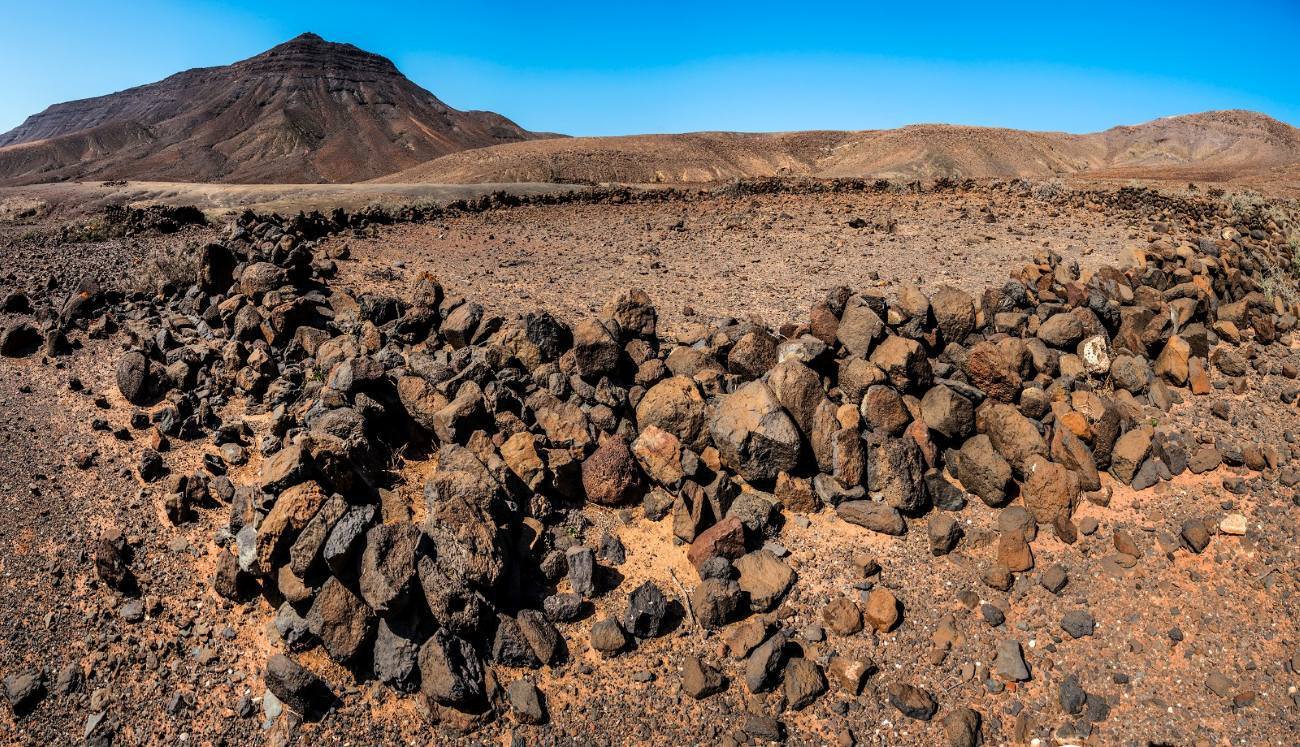
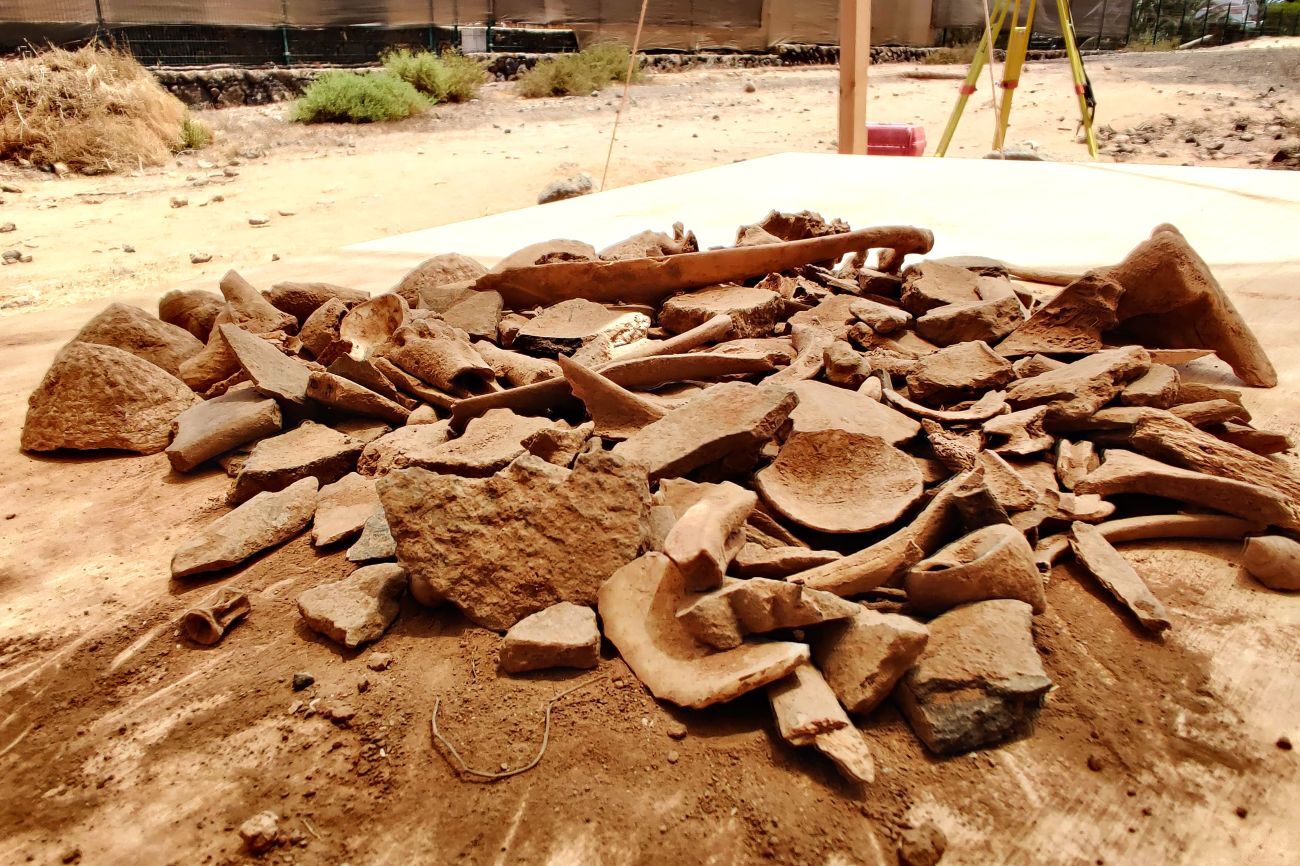
Yacimiento arqueológico.
In the words of León, “It is vital to ensure long-term archaeological conservation.” This perspective highlights the essential need to protect both the tangible and intangible heritage of Fuerteventura, emphasizing the urgent need for scientific inquiry into its past.
Preservation and Conservation Strategies
This partnership will facilitate a detailed investigation into the sites’ current conditions, allowing specialists to determine the specific interventions needed to prevent further decay. The aim is not just to document these sites but to actively engage in efforts that will prolong their existence as parts of Fuerteventura’s cultural landscape.
The project holds promise not just for the archaeological community but also for local citizens who are invited to participate in the process. Documentation of each step will be shared with the public, ensuring transparency and fostering a sense of communal ownership over Fuerteventura’s heritage.
Diverse Historical Contexts
What makes this project particularly fascinating is its potential to uncover evidence of habitation from periods beyond the indigenous era. Such findings could reshape our understanding of the island’s historical timeline, providing a richer narrative of its past. León noted the project’s significance in excavating layers of history that have yet to be fully explored.
A Comprehensive Timeline
The project will unfold over three years, with the first phase focused on documentation and preparatory analysis. Activities will include gathering historical information, conducting archaeological surveys, and assessing the conservation status of the sites. By the end of 2026, the project will transition into the excavation phase, moving from analysis to hands-on exploration.
During this initial year, researchers will meticulously compile data, ensuring that when excavations commence, they are built on a solid foundation of information. This is crucial for maximizing the potential discoveries that could come from these sites.
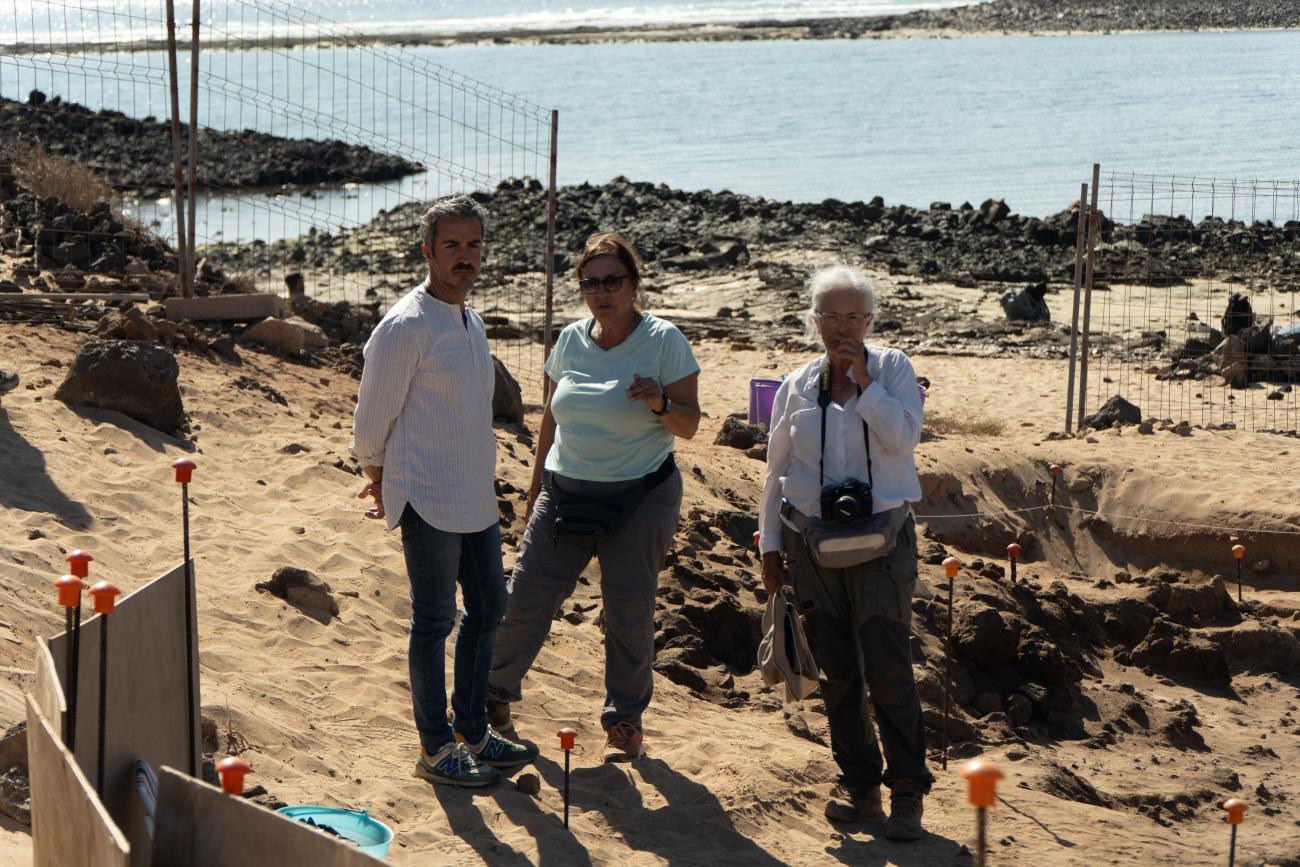
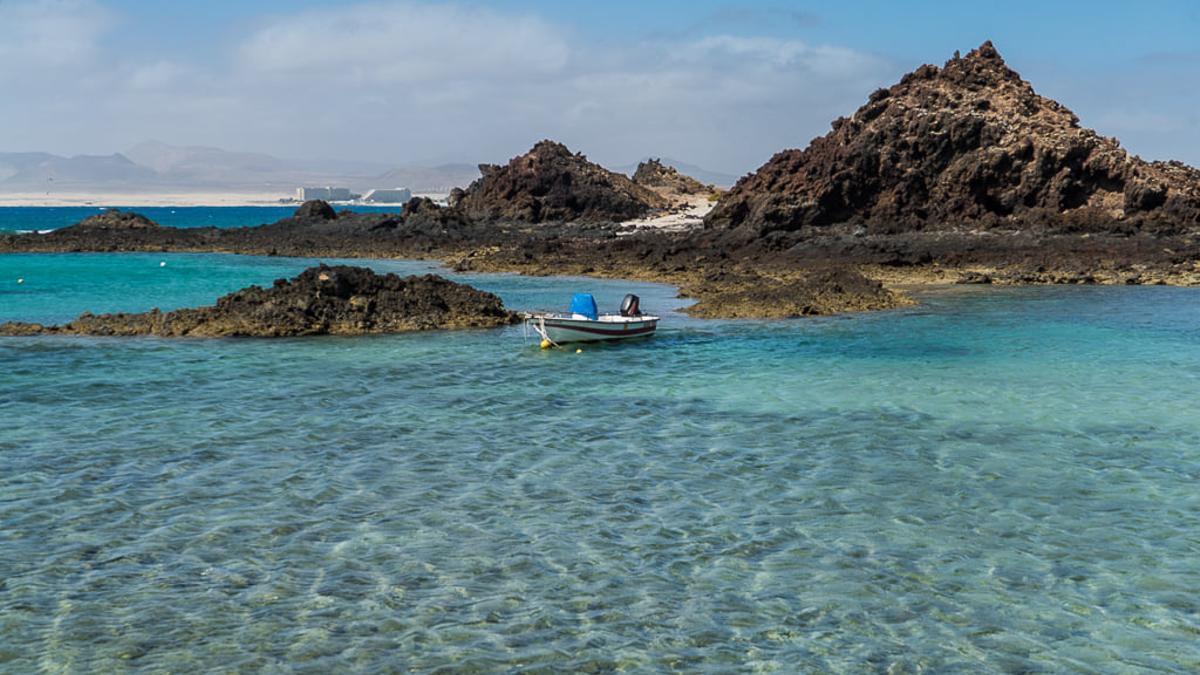
Rayco León during a visit to the Roman site of Isla de Lobos.
Community Engagement and Heritage Awareness
Community involvement is a cornerstone of this initiative. León pointed out that public awareness and engagement are essential to the project’s success. By allowing the community to witness and participate in the journey of discovery, the project aims to enhance the appreciation for Fuerteventura’s archaeological wealth.
This dual approach—scientific investigation coupled with public engagement—not only promises to shed light on the island’s historical significance but also works to foster a culture of conservation and respect for Fuerteventura’s unique past. Through this project, the islands’ archaeological treasures are set to become an integral part of its community narrative, ensuring they are honored and protected moving forward.