Unveiling History at Isla de Lobos: The Roman Settlement Discovery
Introduction to the Excavation
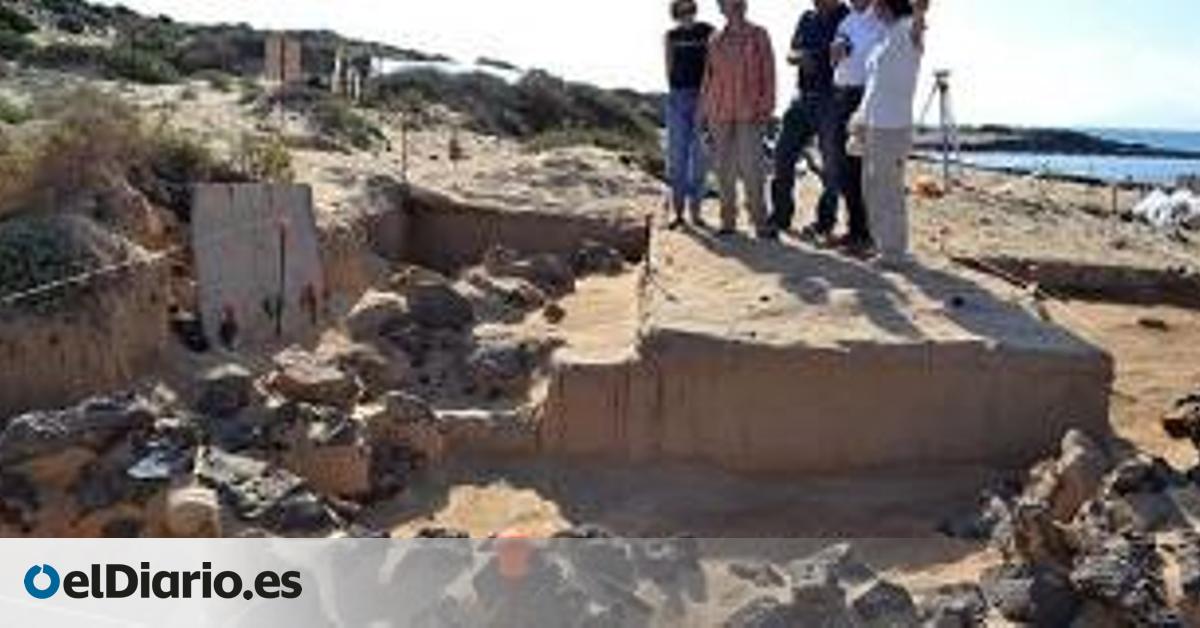
The systematic archaeological excavation of a site discovered in early 2012 on Isla de Lobos, Fuerteventura, has opened a fascinating chapter in the history of the Canary Islands. This site is shedding light on the potential existence of a substantial Roman settlement that dates back to at least the 1st century BCE to the 1st century CE. Initial findings suggest that this settlement was dedicated to the extraction of purple dye from a variety of marine mollusks, with an astonishing total of 70,000 specimens documented thus far.
Collaborative Efforts in Archaeology
This multi-year project is part of an institutional collaboration between the Cabildo of Fuerteventura and the Cabildo of Tenerife, facilitated through the OACM (Autonomous Organization of Centers and Museums). Titled “Settlement and Colonization in the Atlantic Islands,” the initiative promises to deepen our understanding of the region’s historical dynamics over the next three years.
Importance of the Findings
The significance of this archaeological site lies in its confirmation of at least seasonal settlements in the Canary Islands linked to the Roman Empire. Contextual dating of the materials unearthed reinforces the hypothesis, placing this factory dedicated to purple dye production squarely in the aforementioned time frame. These findings challenge previous assumptions about the extent of Roman influence and activity in the islands.
Systematic Excavation Process
Carmen del Arco Aguilar, a prehistory professor at the University of La Laguna and the excavation director, emphasized the project’s relevance. The systematic excavation process will involve annual campaigns with a scientific team of at least eight individuals. The excavation employs a horizontal stripping technique to understand the organization of the site better. Current depths range from mere centimeters to two meters, unveiling a processing area for marine mollusks, specifically Stramonita haemastoma, commonly known in the Canaries as “carnadilla.”
Intensive Resource Exploitation
The site shows indications of extensive and specialized processing of this raw material, evidenced by structures that suggest they could have been storage spaces or domestic in nature. Archaeologists have found numerous artifacts, including ceramic fragments from various kitchen and dining ware as well as metal scraps like iron and bronze hooks and nails. The sizable site spans an area of 108 square meters, with certain walls continuing beneath sandy terrain, indicating that the settlement might be even larger than initially thought.
Specialized Use of Resources
Del Arco further noted the specialized nature of the settlement. Approximately 90% of the conchondre material corresponds to thais, underscoring its role in purple dye extraction. Notably, this is the only site of its kind discovered in the Canary Islands. Other similar settlements have been documented in Mogador and along other points of the African Atlantic coast, yet those do not share the same activities associated with dye production.
Collaborative Research Team
Alongside del Arco, the excavation team includes prominent researchers such as Mercedes del Arco and Candelaria del Rosario, among others from the University of La Laguna, OAMC of Tenerife, and the Cabildo de Fuerteventura. This collaboration is crucial for harnessing varied expertise and resources in the excavation effort.
Initial Findings and Historical Context
The initial excavation conducted in mid-2012 served as a preliminary probe into the site’s potential significance. Previous researchers, like Pablo Atoche, had pointed out Roman remains at other Canary locations, but the specificity of this site’s pottery diversity makes it particularly noteworthy for scholars interested in trade activities centered around purple dye extraction for Mediterranean commerce.
The Interaction Between Romans and Indigenous Peoples
The array of circumstantial evidence supports the idea that ancient Canarians had contact with both Roman settlers and indigenous populations. If confirmed, the chronological context of pottery found at the site would suggest that these communities interacted and possibly coexisted.
Unique Discovery of Turned Pottery
While other instances of Roman-era turned pottery have been sporadically found in the Canary Islands, the uniqueness of the Isla de Lobos site lies in how the ceramics were found in situ, directly associated with commercial activities concerning dye production. This association provides insight into the depth of Roman influence in the region and highlights the economic importance of these interactions.
The Significance of Purple Dye in Antiquity
Purple-dyed fabrics were luxurious items in ancient history, signifying social distinction and elite status. The monopolistic control of its production was tightly managed by states, organizing commercial and military expeditions to source materials. The proximity of Mauritania-Tingitana, known for its powerful purple dye industry, raises intriguing questions about the economic networks that might have included the Canary Islands.
The Broader Mediterranean Trade Context
As early as the 1st millennium BCE, trade networks developed throughout the Eastern Mediterranean, with various seafaring communities—such as the Phoenicians and Greeks—searching for new markets. The maritime navigation techniques of these communities facilitated widespread trade expeditions, establishing colonies along the Atlantic coast.
Engaging in Fishery and Garum Production
This robust trade led to significant fishing industries, producing items like garum, a fish-based sauce that formed the backbone of an extensive salting industry. These activities could potentially explain the Roman presence on Isla de Lobos, integrating it further into the larger economic framework of the time.
Strategic Importance of the Canary Islands
As archaeological findings continue to develop, Isla de Lobos represents an invaluable insight into the interactions between ancient civilizations. Positioned strategically on Atlantic trade routes, the Canary Islands could very well have been integral to ancient commercial movements and resource extraction.
Conclusion: A Glimpse into the Past
The findings at Isla de Lobos not only provide a window into Roman activities in the Canary Islands but also illustrate the broader economic and cultural exchanges that shaped the ancient Mediterranean world. As excavations continue, there is hope for further revelations that will unearth even more layers of interaction, commerce, and community on this historically rich island.