Exploring Playa Blanca and the Stunning South of Lanzarote
Introduction to Playa Blanca
Nestled in the southern region of Lanzarote, Playa Blanca stands out as one of the most significant tourist hubs within the Canary Islands. This charming coastal town offers more than just beautiful beaches; it serves as a gateway to numerous attractions across the island. A short drive from the famed Timanfaya National Park and the stunning Papagayo Beaches, Playa Blanca is an ideal base for both relaxation and adventure. With proximity to key attractions like Arrecife and Órzola, you can easily explore this volcanic landscape, making it perfect for day trips.
Scenic Beaches and Natural Wonders
Punta del Papagayo
Just a stone’s throw from Playa Blanca, you’ll find Punta del Papagayo, heralded as one of the most picturesque segments of coastline in the Canary Islands. Here, you’ll encounter stunning beaches such as Playa Mujeres and El Rubicón, leading to the celebrated Playa del Papagayo. This idyllic cove, with its golden sands framed by volcanic rock formations, epitomizes the island’s natural charm. The access road is well-maintained; a small fee grants you parking in this paradise.
Charco de los Clicos
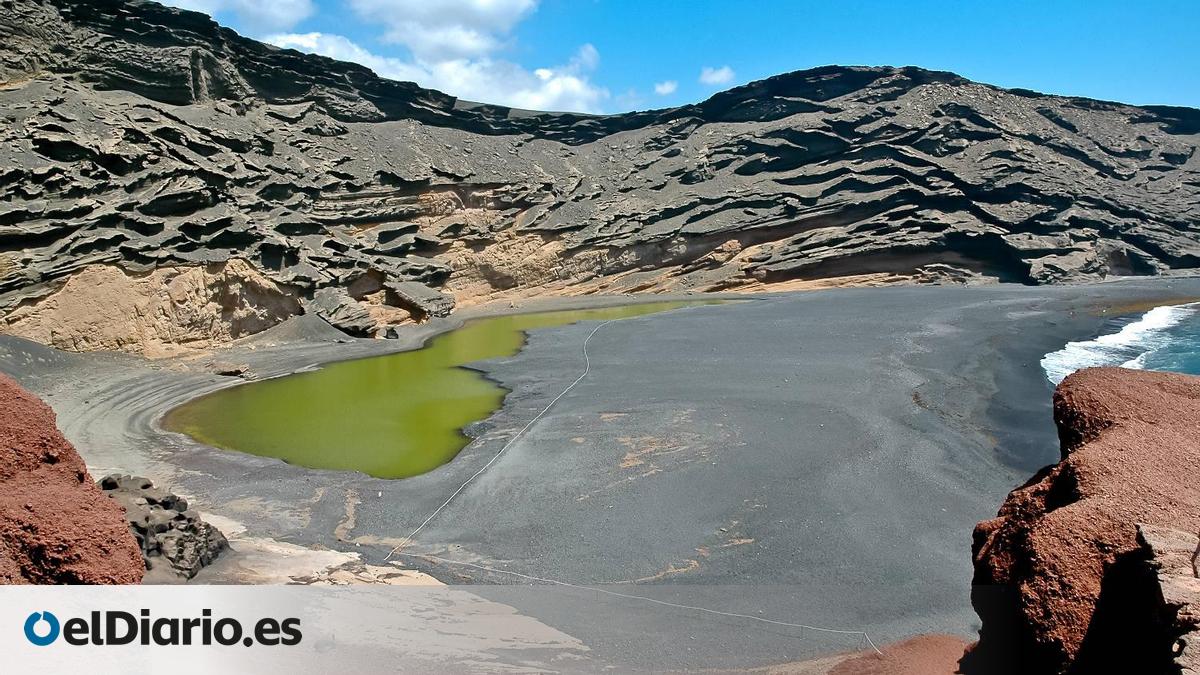
For a different kind of beauty, venture to El Golfo, a quaint fishermen’s village. Nearby lies the Charco de los Clicos, also known as the Green Lagoon. This remarkable natural formation, filled with brackish water and surrounded by unique volcanic landscapes, showcases brilliant emerald hues against a backdrop of black and red rocks. It’s a sight that enchants photographers and nature lovers alike.
Historical Significance and Cultural Heritage
San Marcial del Rubicón
Not only does Playa Blanca boast breathtaking landscapes, but it also has a rich history. The archaeological site of San Marcial del Rubicón is a testament to the island’s deep-rooted past. Covering over 2,500 square meters, this site reveals remnants of one of the earliest European settlements in the Canaries. The ruins include a defensive tower and a necropolis, all echoing the stories of the Norman army’s conquest in the early 1400s.
Castillo del Águila
Another slice of history can be found at the Castillo del Águila, or the Castle of the Eagle. This 18th-century artillery fortification once formed part of a network designed to protect against pirate attacks. It narrates tales of the region’s convoluted historical narratives and is a must-visit for anyone intrigued by the island’s heritage.
Ascending to Femés and Yaiza
Views from Mirador de Femés
As you drive away from Playa Blanca towards Femés, a charming village nestled high in the hills, be sure to stop at the Mirador de Femés. Sitting at over 450 meters above sea level, this lookout offers sweeping views of the southern coastline, the region of Lobos, and even parts of Fuerteventura. The village, with its whitewashed houses and the notable Iglesia de San Marcial del Rubicón, exudes traditional Canarian charm.
Discovering Yaiza
From Femés, it’s a short journey to Yaiza, one of the island’s most historically significant towns. Known for its well-preserved architecture and quaint streets, Yaiza is home to the Parroquia de Nuestra Señora de Los Remedios. This church features exquisite Mudéjar woodwork and a detailed Baroque painting dedicated to the Virgin. Nearby, the Casa de la Cultura Benito Pérez Armas exemplifies traditional Canarian architecture, showcasing the island’s rich cultural tapestry.
The Volcanic Coastline
Exploring the LZ-704 Route
A scenic drive along the LZ-704 leads you past the southern borders of Timanfaya National Park. Here, vast volcanic landscapes tell the story of the island’s fiery origins. Moving from Yaiza, the route takes you closer to the stunning coast, where dramatic cliffs meet the ocean.
Playa Bermeja and Los Hervideros
Continuing along the coast, you’ll arrive at Playa Bermeja, known for its unique reddish sand. Just beyond this lovely beach lie Los Hervideros. These spectacular rock formations create an exhilarating sight as waves crash dramatically against them, producing a breathtaking display of nature’s power and beauty.
The Salinas del Janubio
A little further south, you’ll find the historic Salinas del Janubio, one of the few traditional saltworks still operational in the archipelago. Here, visitors can observe the meticulous process of salt production. This area not only offers stunning vistas but also highlights the cultural and economic significance of salination in local history.
In summary, the south of Lanzarote, with Playa Blanca as its hub, unfolds a rich tapestry of scenic beaches, historical landmarks, and vibrant culture. Each destination reveals a piece of the island’s unique identity, making it a must-visit for anyone adventuring through the Canary Islands.