Insights from the Prehistory Professor of ULPGC: A Deep Dive into Fuerteventura’s Archaeological Wealth
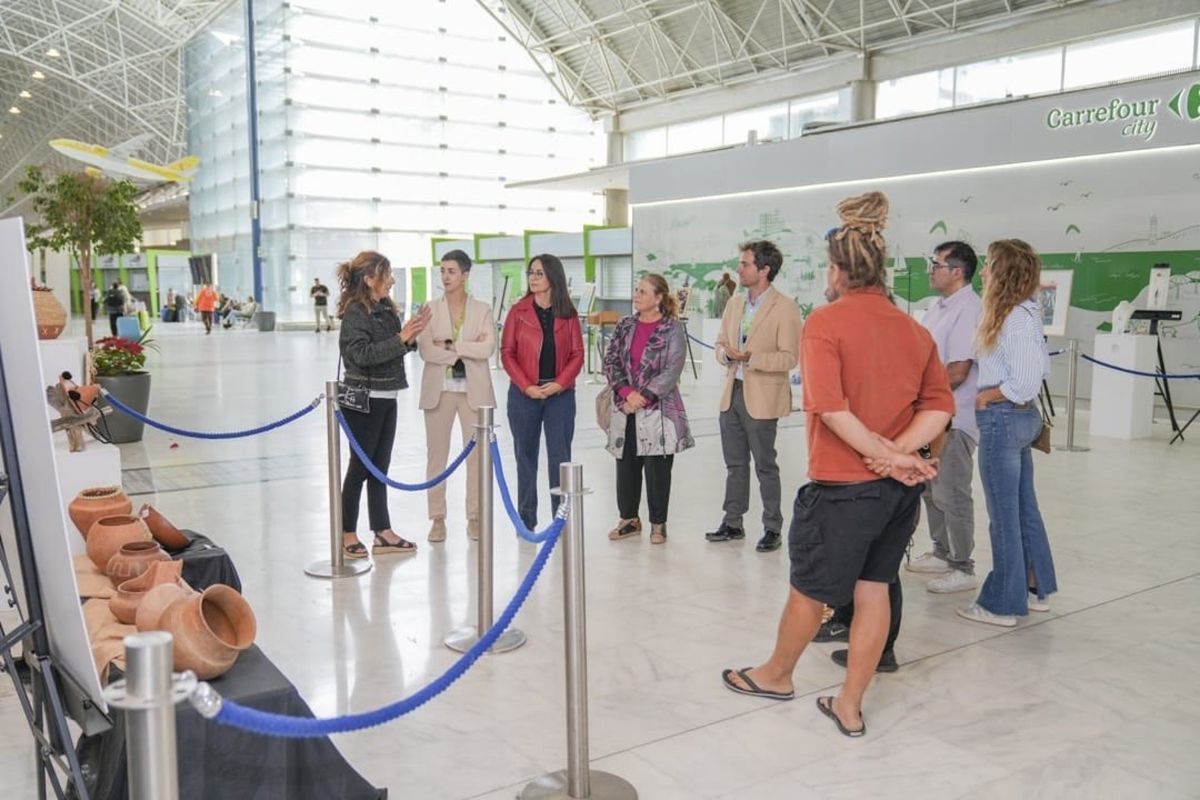
In a recent session at the University of Las Palmas de Gran Canaria (ULPGC), a profound discussion unfolded with Prehistory Professor Jonathan Santana, captivating not only attendees but also sparking interest in the broader scientific community. This engaging conversation largely revolved around the archaeological treasures awaiting discovery in Fuerteventura and the implications of these findings.
Archaeological Riches in Fuerteventura
Experts Rayco León and Isidoro Hernández highlighted the staggering fact that Fuerteventura hosts over 900 archaeological sites, emphasizing its significance as a “reserve of archaeology.” Describing the island as a terrain ripe for exploration, they posited that much remains to be uncovered, allowing for both a deeper understanding of human history and the evolution of the territory itself.
Their discussion spotlighted the urgent need for ongoing research, which includes dating existing materials and expanding excavation efforts. This commitment not only enhances historical knowledge but also enriches the cultural heritage of Fuerteventura.
The Intriguing Connection to Lanzarote
A recurring theme in the conversation was the inevitable reference to Lanzarote, with Carmina del Arco pointing out that the two islands form a continuum, separated only by the Bocayna strait. Historically and archaeologically, they are intertwined, which raises a compelling argument: if Lanzarote holds older timelines and records, it is reasonable to assert that Fuerteventura may harbor similar findings.
This geographical and historical proximity underscores a fascinating possibility — that the archaeological narrative of both islands may be closely linked, opening avenues for broader scholarly exploration and understanding.
Exploring Isla de Lobos
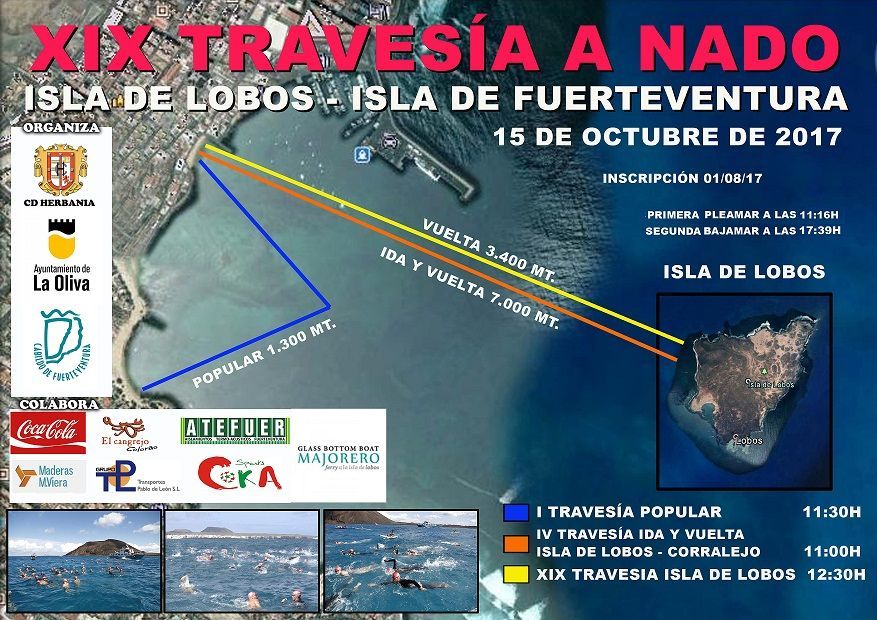
The discussion also ventured into the ongoing research at the Isla de Lobos, where the team’s efforts have gained international attention. Del Arco noted that the site significantly contributes to our understanding of the Roman period in the region, allowing the ancient world to resurface in the context of current scholarship.
Experts theorize that Isla de Lobos is merely “the tip of the iceberg” regarding what might be unearthed about Roman influences in the Canary Islands. This hypothesis encourages researchers to delve deeper into the archipelago’s historical connections, potentially unveiling a richer narrative surrounding Roman interactions with this remote territory.
The Imperative for Cultural Preservation
As discussions wrapped up, the Cultural Advisor emphasized the vital mission of disseminating knowledge about, and safeguarding, the heritage of Fuerteventura. This responsibility transcends mere institutional obligations; it serves as a means to better appreciate and preserve the island’s history for future generations.
In summary, the insights shared during this engaging session reflect a lively dialogue about Fuerteventura’s potential. With a wealth of archaeological sites and a strong connection to neighboring islands, the pursuit of knowledge about the region’s history appears limitless.
Whether it’s the continued investigation of ancient sites, the intricate ties between Fuerteventura and Lanzarote, or the exploration of Isla de Lobos, what is clear is that the story of Fuerteventura is still unfolding, waiting for scholars and enthusiasts to discover its many layers.