Celebrating Sustainable Tourism: The II Convention of Tourism of the Canary Islands
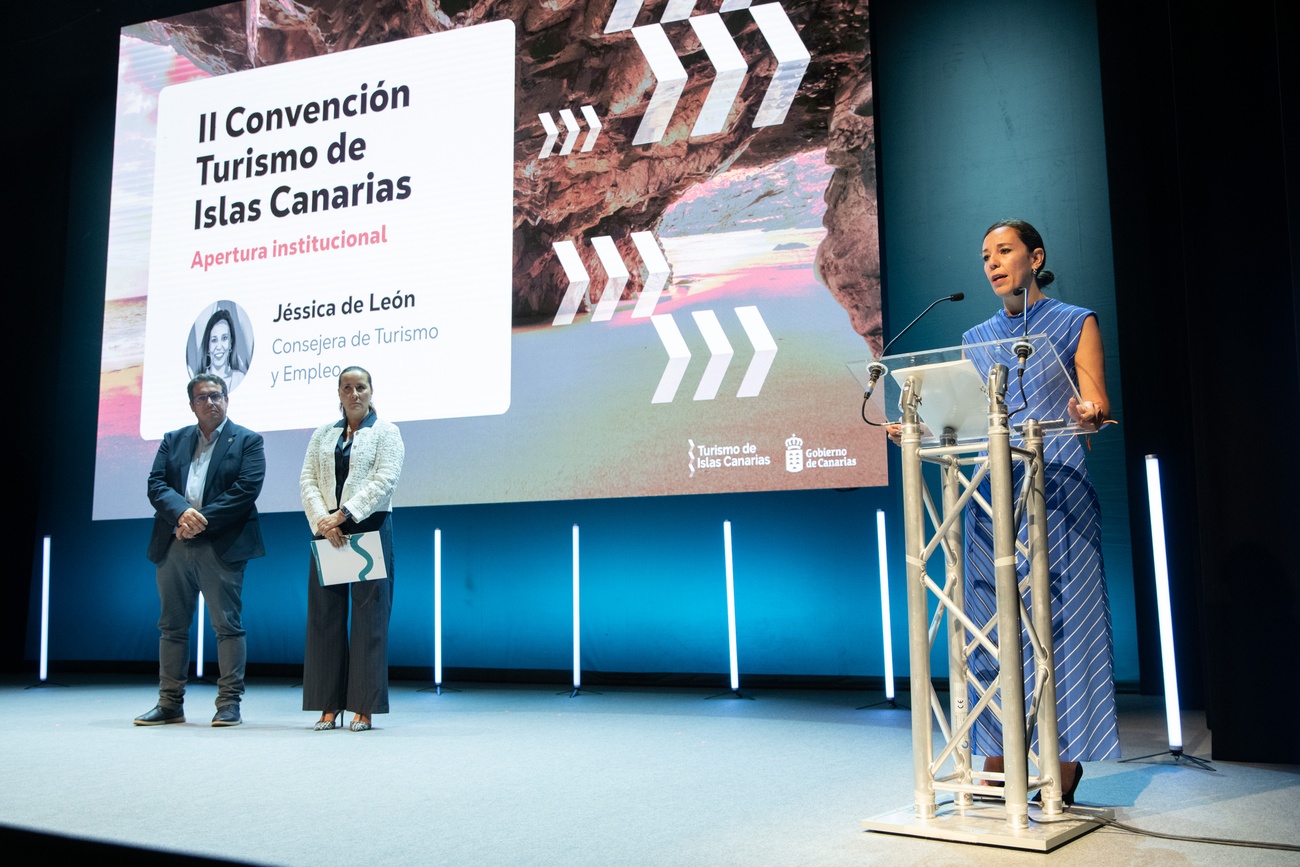
On a sunny Tuesday in Fuerteventura, the public company, Turismo de Islas Canarias, gathered industry professionals for its Second Convention aimed at promoting sustainability in tourism. This vital meeting was not just a gathering; it was a milestone in shaping a more eco-conscious approach to tourism, marking the commitment of the Canary Islands to a sustainable model that benefits both visitors and residents alike.
The Opening Ceremony
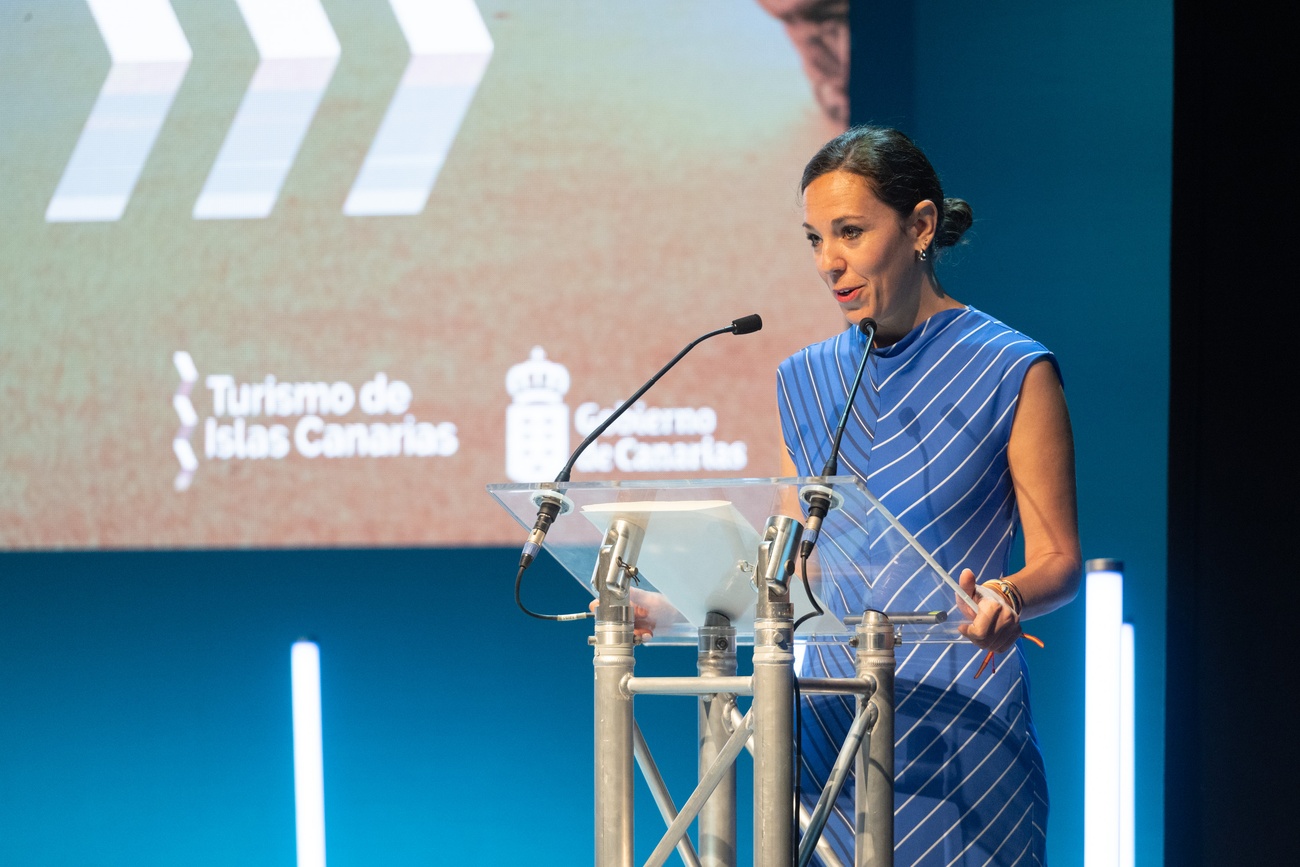
The event took place in the Auditorio Insular de Fuerteventura, where more than two hundred representatives from the tourism sector attended, both in person and via live streaming. The opening remarks were delivered by key figures including the Minister of Tourism and Employment for the Canary Islands, Jéssica de León, the President of the Fuerteventura Cabildo, Lola García, and the Mayor of Puerto del Rosario, David de Vera.
De León emphasized the importance of collaboration, inviting both public and private sectors to work together to reaffirm the policies being developed for the islands. “The focus of our tourist model has shifted from merely the number of tourists to enhancing their spending, thereby extending positive benefits to the entire Canary population,” she stated, highlighting a pivotal transformation in tourism strategy.
Local Perspectives on Tourism Development
In her address, President Lola García expressed pride in Fuerteventura hosting the convention, underscoring its role as a crucial economic driver for the archipelago. She asserted that Fuerteventura is on a clear path toward a tourism model that respects its unique landscape while considering the carrying capacity of its natural resources. This aligns with a broader objective of ensuring the quality of life for local residents.
Meanwhile, Mayor David de Vera spoke about how Puerto del Rosario distinguishes itself with a form of urban tourism, diverging from the typical sun-and-beach model. This diversification has become essential for the local economy, compelling the municipality to establish clear strategies to capitalize on this growing trend.
Strategic Initiatives for Future Growth
The First keynote of José Juan Lorenzo, managing director of Turismo de Islas Canarias, introduced the Strategic Plan for the Canary Islands as a Destination for 2025-2027. This plan lays out comprehensive initiatives designed to tackle significant challenges such as resident-tourist relations, environmental impact, and changing tourist preferences influenced by digitalization.
One notable aspect of this plan is its emphasis on improving the quality of life for residents while ensuring tourism positively impacts the community. Twenty-four initiatives focusing on responsible tourism, sponsorships, sustainability, and local identity are central to this ambitious strategy.
Engaging with Citizens and Addressing Feedback
María Guardiet, head of Tourism Intelligence, presented an engaging inquiry: “Is it possible to advance towards a destination of greater value?” In her response, she shared innovative solutions being implemented to sustainably manage the constantly growing global tourism sector. Key takeaways included the necessity for organized management of tourist flows to ameliorate the experience for both visitors and residents.
Furthermore, Mónica Palacios, who leads Product Promotion and Corporate Communication, underscored the essential role of local citizens in redefining tourism. By actively listening to community concerns, such as environmental impact and economic disparity, the initiative aims to engage residents, valuing their input as a cornerstone of a sustainable tourism model.
Technological Advancements and Digital Initiatives
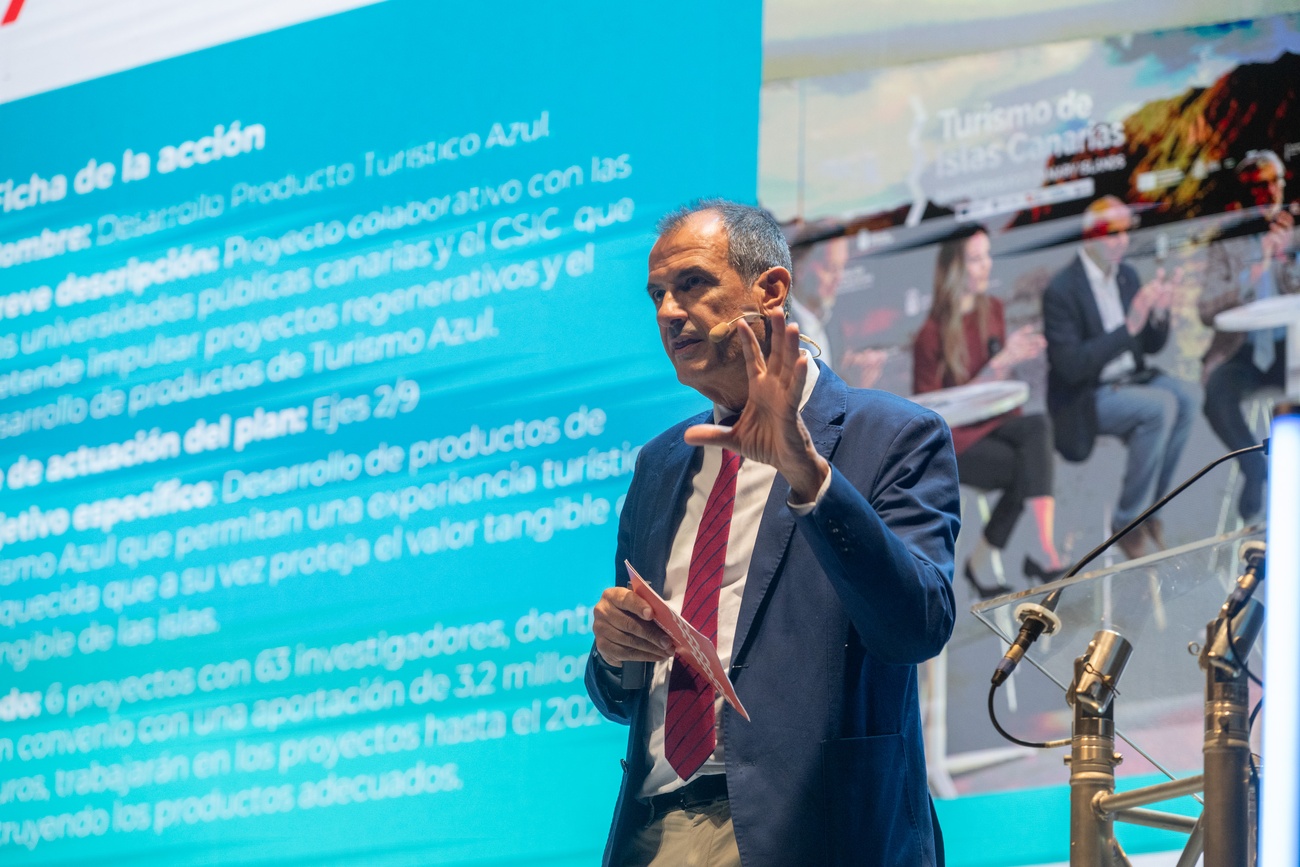
The convention also spotlighted the role of technology in revolutionizing tourism in the Canary Islands. Notably, Alicia García-Tuñón, the Director of Technological Development and IT, showcased the advancements in a unified technological stack designed to sustainably manage tourism resources. This platform aims to improve the visitor experience through personalization and intelligent data management, enhancing competitiveness for the islands.
The theme of digital transformation continued with Sara Sánchez-Romo, who focused on transforming tourism experiences to become the emotional heartbeat of travel. She emphasized the need for robust online booking engines and payment gateways to empower local businesses and enhance tourists’ booking experiences.
Furthermore, Elena González, the Director of Marketing, discussed how data analytics could refine communication strategies greatly. By crafting compelling stories derived from data insights, the Canary Islands can better connect with potential visitors and create memorable experiences.
Sponsorships as a Catalyst for Growth
The convention also featured Catalina Suárez, who elaborated on the sponsorship initiatives launched in 2021, detailing how this program has elevated the profile of the Canary Islands beyond traditional beach tourism. By hosting high-caliber events, the initiatives have not only strengthened the tourism brand but also provided substantial economic benefits to locals. The figures reflect this impact, with over 1,534 sponsorship requests leading to a total contribution exceeding €215 million.
In summary, the II Convention of Tourism of the Canary Islands serves as a significant step toward achieving a sustainable tourism model that aligns growth with ecological responsibility and community empowerment. Through strategic initiatives, technology, and active community engagement, the Canary Islands are setting a shining example for the global tourism industry.


