The Impact of Tourism on Employment and Local Communities in the Canary Islands
Tourism plays a critical role in the employment landscape of the Canary Islands, creating a staggering 344,358 jobs across the archipelago. This represents a significant portion of the local economy, with four out of every ten jobs tied directly to the sector. Remarkably, the recovery from the pandemic has led to a 10.8% increase in tourism-related employment compared to pre-pandemic levels.
Economic Boom in Fuerteventura
Fuerteventura, in particular, has seen remarkable economic growth linked to tourism. In 2024, the island’s tourism revenue nearly hit €3 billion, a figure considered “very positive and historic” by local authorities. This boom has opened avenues for demanding better labor conditions and a more equitable distribution of tourism’s financial benefits. The hope is to ensure that the tourism prosperity positively impacts the local economy and its residents.
Challenges in Labor Quality
However, despite its success, the tourism sector faces significant labor challenges. Although it generates hundreds of thousands of jobs, the quality of many positions remains questionable. Long-standing issues such as temporary contracts, seasonal employment, and low wages have plagued the industry. Workers and unions are advocating for the current upward trend in tourism to translate into improved working conditions. Public sentiment also reflects these concerns, with six out of ten residents believing that tourism provides precarious employment opportunities.
Aiming for Stable Jobs
One of the implicit goals of the ongoing tourism plan is to convert the current boom into more stable and better-paying jobs. There’s a concerted push to narrow the gap between temporary and permanent employment, while also elevating the training and skills of the tourism workforce.
Local Sentiments Towards Tourism
The “Canarias Destino” plan also seeks to mend the relationship between tourism and local citizens by listening to community voices. Numerous studies reveal a mixed attitude among residents towards tourism; while they acknowledge its economic and cultural advantages, many are concerned about its impact on daily life.
Recent surveys indicate that a whopping 76.4% of the population sees tourism as a catalyst for the archipelago’s economic development, and more than half believe it enhances cultural openness and infrastructure. Nonetheless, concerns about rising living costs are prevalent, with 69.1% of residents asserting that tourism has inflated the general cost of living. A staggering 76.6% place the blame for soaring housing prices squarely on the tourism influx, pointing toward a disturbing trend where vacation rentals and tourist-driven demand hinder local residents’ access to affordable housing.
Congestion and Environmental Impact
Another widespread apprehension centers around congestion. Over half of the population has noticed worsening traffic and mobility issues due to tourist influx, while nearly 45% report growing tensions between locals and visitors in shared spaces. Environmental concerns are also at play, with 60.9% of residents warning that tourist activity leads to increased waste and pollution. Many believe that if not managed properly, the insular environment will suffer irreversible damage.
Youth Perspectives
The youth perspective cannot be ignored, especially given its critical stance on the tourism model. Young Canarians, particularly those aged 18 to 34, who have grown up amid discussions on sustainability, express heightened concerns about housing and employment. An impressive 87.2% of this demographic agrees that tourism inflates housing prices, far exceeding the general population’s sentiment. These younger residents are demanding a more responsible tourism model that respects local realities, reflecting a growing consciousness surrounding the limits of the traditional “sun and beach” tourism approach.
Fuerteventura: A Case Study
In islands like Fuerteventura, these social challenges are particularly palpable. While the local population appreciates the economic opportunities and cultural initiatives tourism brings, they also wrestle with day-to-day pressures: soaring rental prices, difficulties accessing housing, increased demand on public services during peak seasons, and transformations in their local environments.
This community sentiment has catalyzed the focus on “Citizen Engagement” in the new strategic plan. Efforts are underway to facilitate public participation in tourism-related decision-making, raise awareness about tourism’s significance, and implement measures to alleviate its negative social impacts.
The Vision for Future Tourism
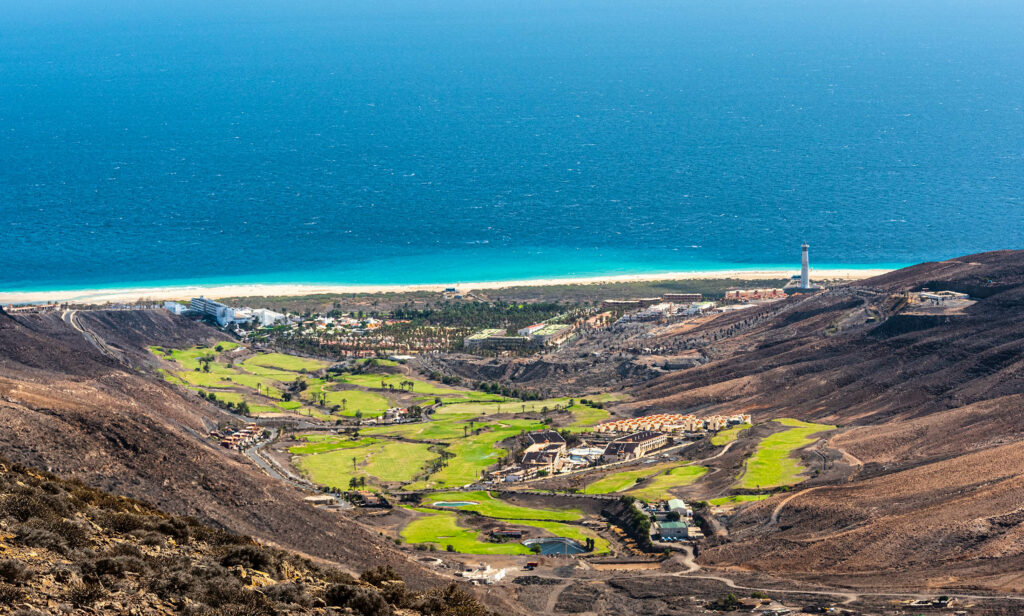
As an island that sees a high volume of tourists relative to its population, Fuerteventura stands at a crossroads, benefiting from tourism while also grappling with its complexities. Local authorities are keenly aware of the need to find a balance between welcoming global visitors and preserving the quality of life for local residents as well as the island’s unique landscapes.
The “Canarias Destino 2025-2027” plan thus emerges as a transformative opportunity. It calls for a reimagining of the tourism model towards one that is not only equitable and sustainable but also deeply rooted in the realities faced by each island. For Fuerteventura, this entails fostering high-quality tourism that goes beyond sun and sand, ensuring reduced ecological impacts, supporting meaningful work for young locals, and confirming that tourism’s benefits flow back into the community.
Ultimately, this new strategy aspires for harmonious coexistence between visitors and residents. A sustainable approach to environmental and social tourism could allow Fuerteventura and the entire archipelago to maintain their unique charm and allure for generations to come, positioning the Canary Islands as a successful international destination while moving toward a more balanced, inclusive model of tourism.